Mafrum: Libya's Beloved Stuffed Potato in Rich Tomato Sauce
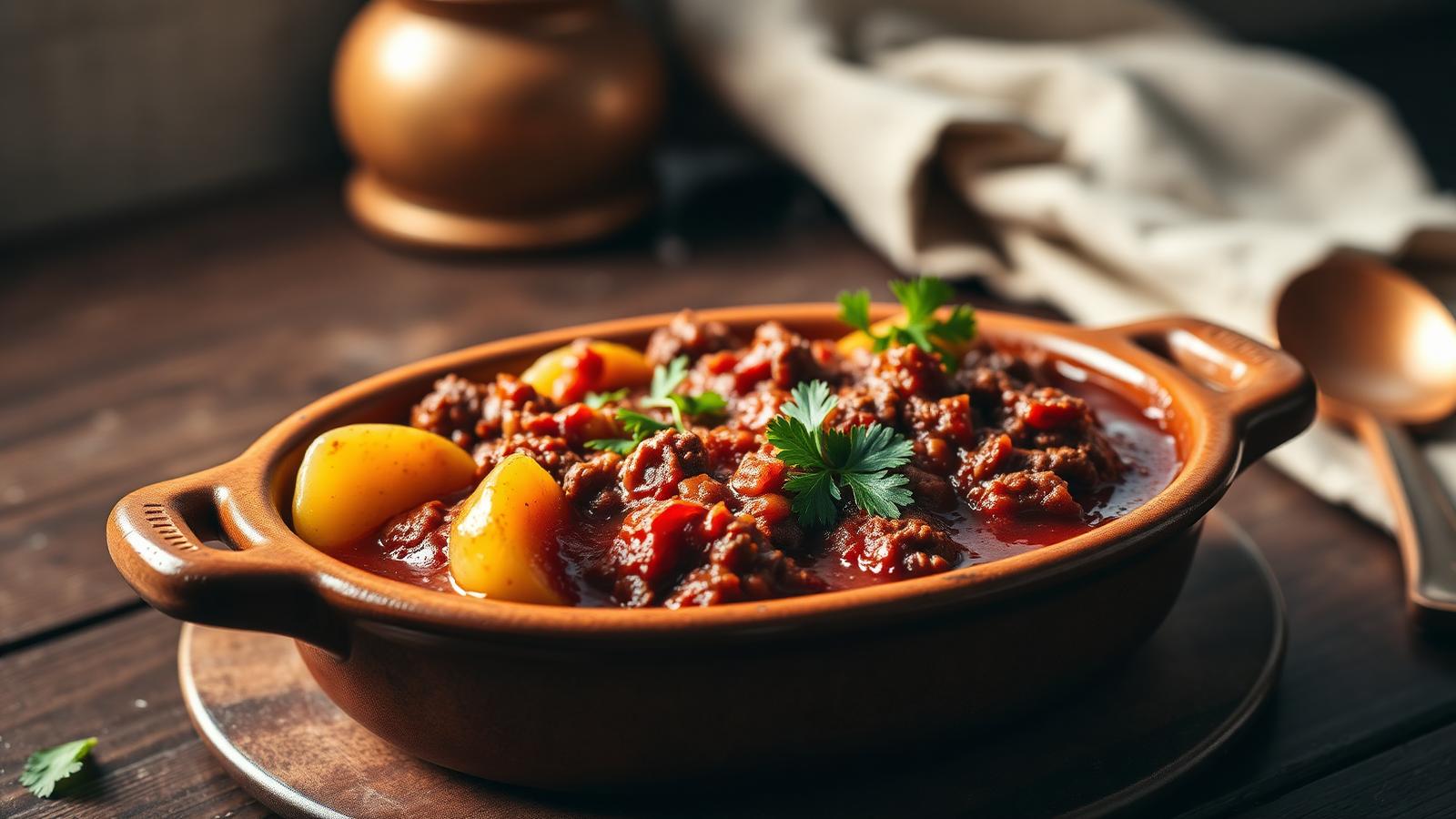
Ask a Libyan Jewish family what belongs on the Shabbat table and, sooner or later, someone will say mafrum. It is the dish grandmothers are famous for, the one that fills a whole kitchen with the smell of paprika, garlic, and simmering tomato for the better part of an afternoon. At its heart, mafrum is deceptively simple: a pocket of vegetable, usually potato, stuffed with well-seasoned ground meat, browned in oil, then braised slowly in a spiced red sauce until the potato turns silky and the meat surrenders every bit of its flavor.
What makes mafrum special is not any single ingredient but the patience it demands and the memories it carries. For the Jews of Tripoli and Benghazi, and for the generations who later settled in Israel, Italy, and beyond, mafrum is edible history — a taste of a community that has all but vanished from Libya itself but whose cooking lives on, warmly and defiantly, in home kitchens around the world.
This guide walks you through mafrum from the ground up: what it is, where it comes from, why it is finding new fans today, the ingredients that define it, and a clear step-by-step method with the tips and pitfalls that separate a good mafrum from an unforgettable one.
Table of Contents
- What Mafrum Actually Is
- Historical and Cultural Context
- Why Libyan Jewish Food Is Trending
- Ingredients and Key Concepts
- Step-by-Step Insights
- Expert Tips
- Common Mistakes to Avoid
- Frequently Asked Questions
- Key Takeaways
- Conclusion
What Mafrum Actually Is
Mafrum (sometimes spelled mafroum or mafroom) is a classic Libyan Jewish dish of stuffed vegetables braised in tomato sauce. The name comes from an Arabic root suggesting something split or opened up, which describes the technique perfectly: a vegetable is sliced almost all the way through to create a pocket, then filled with a spiced meat mixture. The most iconic version uses potatoes, but eggplant, zucchini, onions, artichokes, and even bell peppers are all fair game.
Each stuffed piece is dipped in egg and sometimes flour, fried until golden to seal the pocket, and then lowered into a simmering sauce built on tomato, paprika, garlic, and warm spices. As it braises, the potato drinks in the sauce and the meat stays juicy inside its starchy shell. The result is hearty, deeply savory, and just a little sweet from long-cooked tomatoes — a one-pot centerpiece that tastes even better the next day.
Historical and Cultural Context
Jews lived in Libya for more than two thousand years, with roots stretching back to antiquity in the coastal cities of Tripoli and Benghazi and in the Berber-influenced towns of the interior. Over centuries, this community developed a cuisine that fused North African, Berber, Italian, and broader Mediterranean influences with the rhythms of Jewish law and the calendar. Dishes were shaped by what was permitted, what was seasonal, and above all by the demands of Shabbat, when no cooking is done from Friday sundown to Saturday night.
Mafrum fits this world beautifully. Because it can be prepared in advance and gently reheated or held warm, it became a natural fit for Shabbat and holiday meals. Families would spend Friday stuffing and frying, then let the pot rest so the flavors could deepen. The dish also reflects a frugal, resourceful ethos: a modest amount of meat is stretched generously by wrapping it in vegetables, feeding a large table without extravagance.
The story took a wrenching turn in the twentieth century. Following persecution, riots, and the upheavals surrounding Libyan independence and later political change, the Jewish community of Libya was effectively forced to leave, with the vast majority resettling in Israel and a significant community in Italy. Today there are essentially no Jews left in Libya. Yet recipes like mafrum traveled in the memories and notebooks of those who left, and the dish is now a cherished link to a homeland that exists mostly in remembrance.
For Libyan Jews, mafrum is not just dinner — it is a portable homeland, carried from Tripoli to Rome and Tel Aviv in the hands of grandmothers.
Why Libyan Jewish Food Is Trending
Libyan Jewish cuisine is having a quiet moment. As diners grow curious about the wider world of Jewish food beyond the familiar Ashkenazi canon of bagels and brisket, the bold, spice-forward dishes of North African and Mizrahi communities are stepping into the spotlight. Israeli restaurants and cookbook authors have championed regional Jewish cooking, and mafrum — vivid, comforting, and full of story — is a natural ambassador.
There is also a preservation impulse at work. With the Libyan Jewish community scattered and its elders aging, younger cooks and food writers are racing to document recipes before they fade. Social media has amplified this, with home cooks sharing family versions of mafrum and sparking conversations about heritage, migration, and identity. In an era hungry for authenticity and roots, a dish that literally embodies survival resonates far beyond the Libyan diaspora.
Finally, mafrum simply fits how people want to eat now: it is a make-ahead, one-pot meal that turns inexpensive ingredients into something festive. That combination of thrift, comfort, and depth of flavor is exactly what keeps a traditional dish relevant on the modern table.
Ingredients and Key Concepts
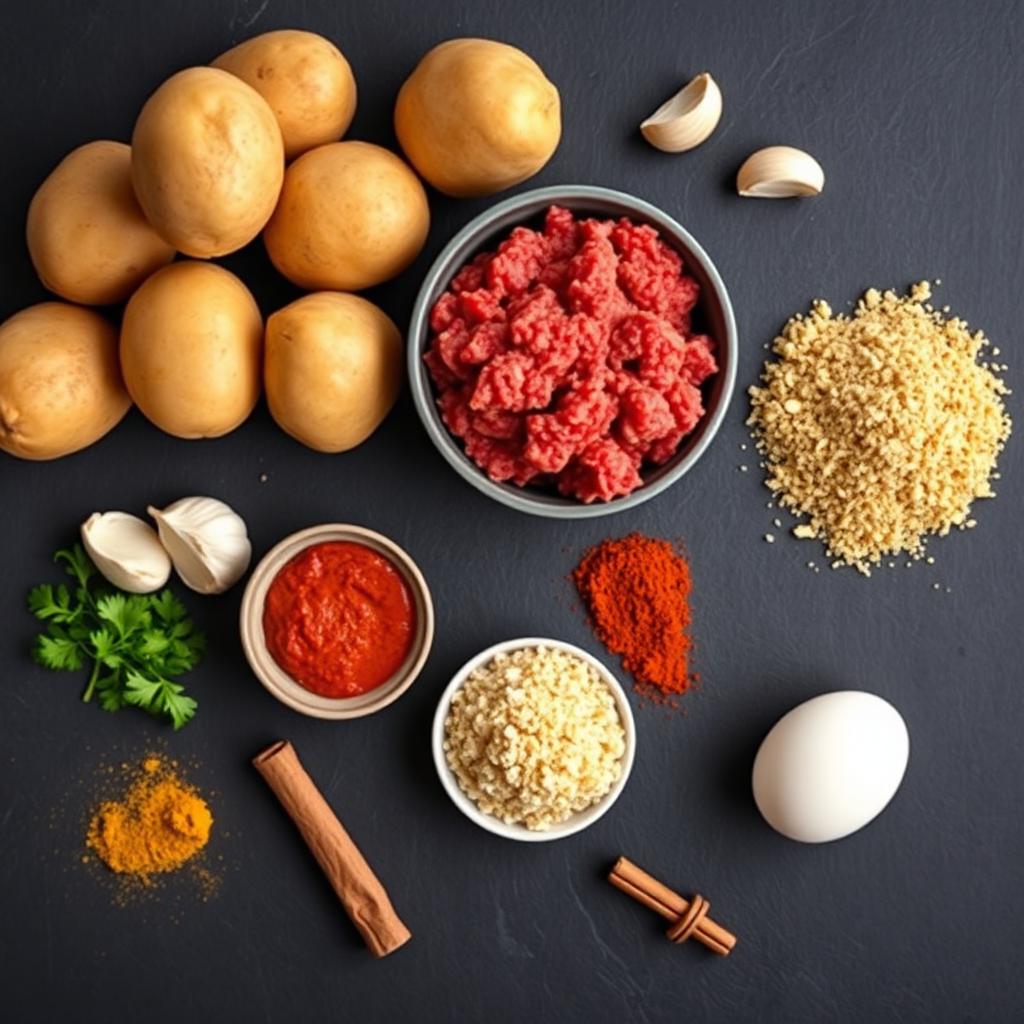
Mafrum has three components: the vegetable shell, the meat filling, and the braising sauce. Understanding what each one does makes it easy to adapt the dish to your kitchen while keeping it authentic.
The Vegetable Shell
- Potatoes: Large, waxy or all-purpose potatoes hold their shape best during braising. They are the classic and most popular choice.
- Eggplant, zucchini, onions, or artichokes: All traditional alternatives; many families make a mixed platter of several vegetables.
- Egg and flour: Used to coat the stuffed vegetables before frying, sealing the pocket and creating a golden crust.
The Meat Filling
- Ground beef or lamb: The heart of the filling; a mix of the two is common. Some cooks use a little of both for richness.
- Garlic and parsley: Bright, aromatic backbone of the stuffing.
- Breadcrumbs and egg: Bind the filling so it stays tender and cohesive.
- Warm spices: Paprika, cinnamon, nutmeg, allspice, black pepper, and sometimes a whisper of hot pepper give mafrum its signature warmth.
The Braising Sauce
- Tomato paste and/or fresh tomatoes: Build the deep, slightly sweet red base.
- Sweet paprika: Adds color, body, and gentle warmth — a defining North African touch.
- Turmeric, garlic, and a little sugar: Round out and balance the sauce.
- Water or stock: Loosens the sauce so the mafrum can braise low and slow without scorching.
Step-by-Step Insights
Mafrum takes time but no special skill. Work in stages — prep, stuff, fry, braise — and the process becomes almost meditative. Here is the flow that reliably produces tender, deeply flavored results.
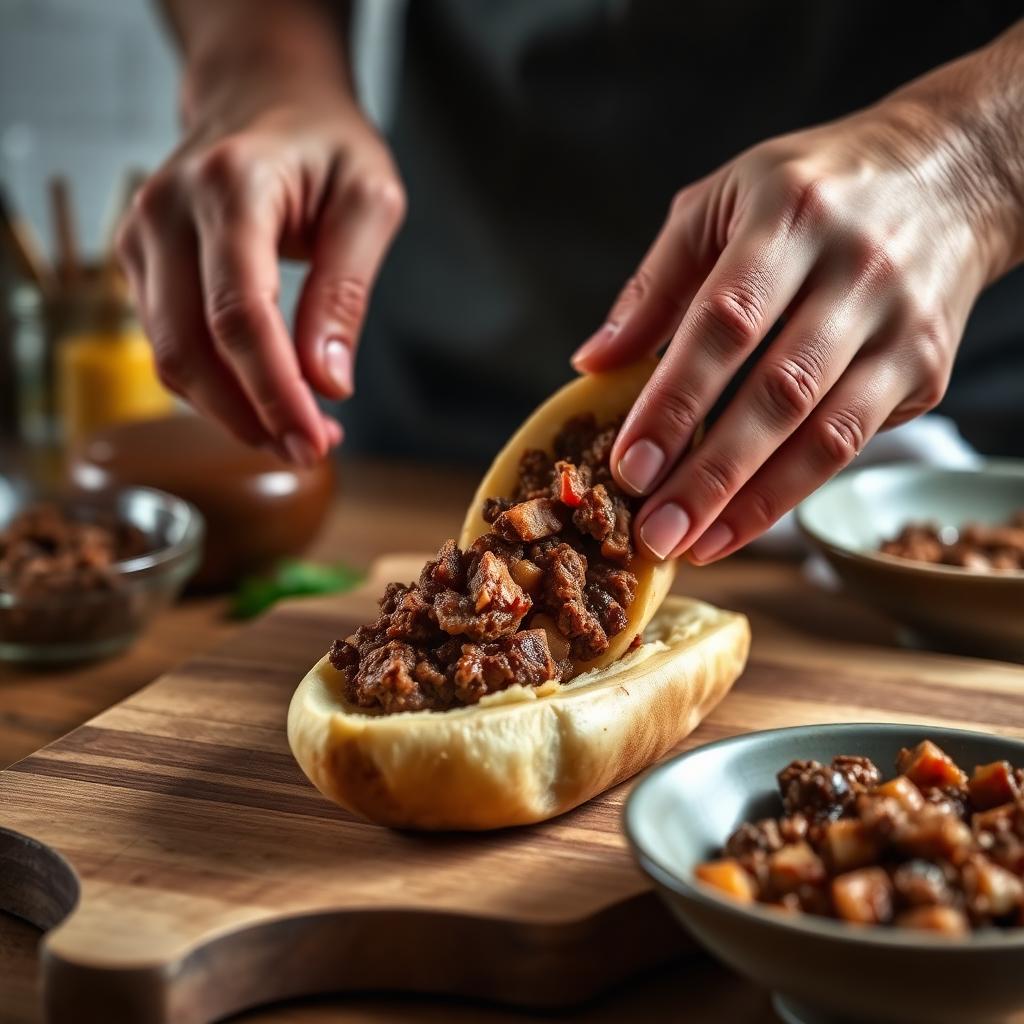
- Make the filling: Combine ground meat with minced garlic, chopped parsley, breadcrumbs, an egg, salt, and warm spices. Mix until just cohesive; do not overwork.
- Prep the potatoes: Peel large potatoes and cut into thick slices, about three-quarters of an inch. Cut a deep slit into each slice, or slice pairs almost all the way through to form a hinged pocket.
- Stuff generously: Press a spoonful of meat firmly into each potato pocket, mounding it so the filling is visible but secure.
- Coat and fry: Dip each stuffed piece in beaten egg (and a light dusting of flour, if you like), then fry in hot oil until golden on both sides. This seals the pocket and builds flavor.
- Build the sauce: In a wide pot, warm oil, then stir in tomato paste, paprika, turmeric, garlic, a pinch of sugar, and salt. Add water or stock to make a loose, brothy sauce.
- Braise low and slow: Nestle the fried mafrum into the sauce in a single layer. Cover and simmer gently for one to one and a half hours, spooning sauce over the top now and then, until the potatoes are fork-tender and the sauce has thickened.
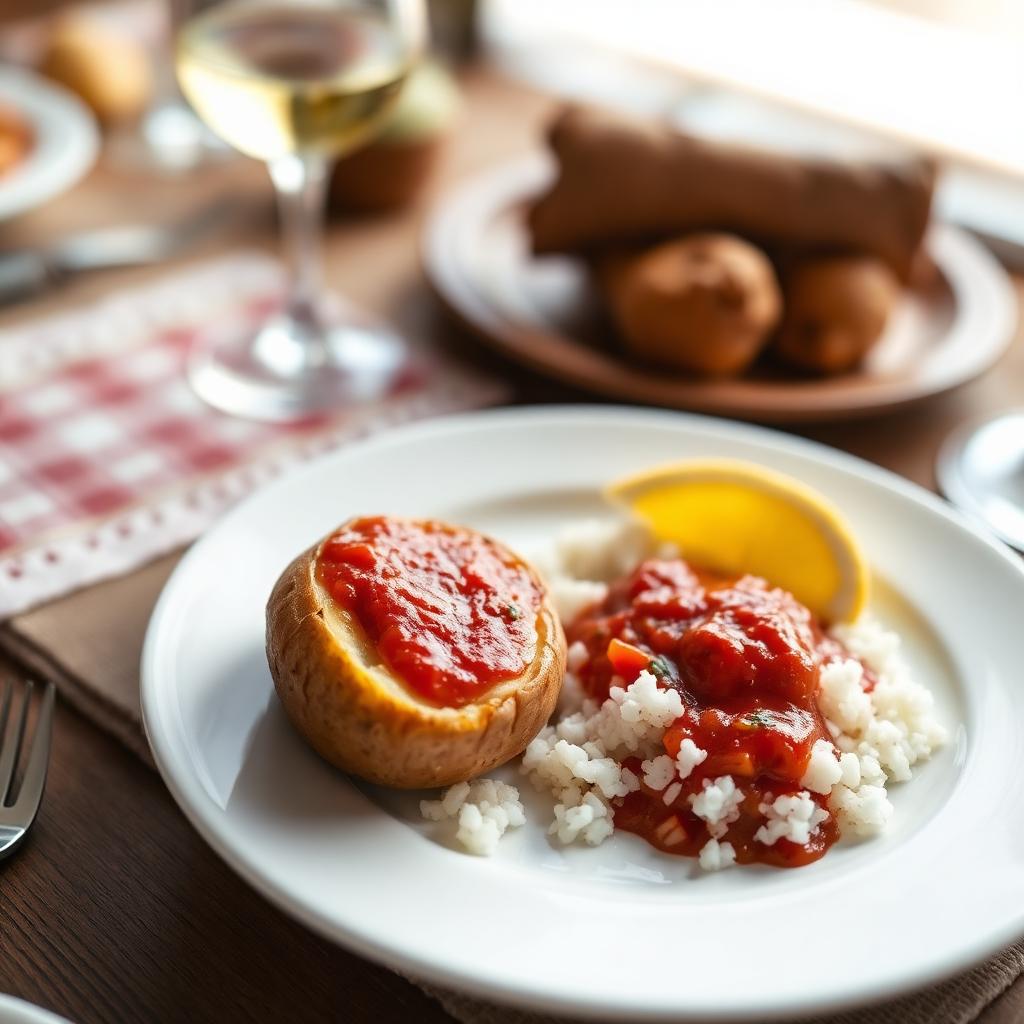
- Rest and serve: Let the pot rest off the heat for a few minutes. Serve warm with rice, couscous, or crusty bread to soak up the sauce.
Expert Tips
- Season the filling boldly. The meat is wrapped in bland potato, so it needs to taste assertive on its own before cooking.
- Do not skip the fry. Browning the coated mafrum seals the meat inside and adds a savory depth the braise alone cannot replace.
- Keep the sauce loose at first. It will reduce as it simmers; starting too thick risks scorching before the potatoes cook through.
- Braise gently. A hard boil can break the potatoes apart and toughen the meat. Aim for a lazy, steady simmer.
- Make it a day ahead. Like many braises, mafrum deepens overnight. Reheat gently and the flavors will be even better.
- Try a mixed platter. Stuffing a few eggplant slices or onions alongside the potatoes adds variety and beautiful color to the pot.
Common Mistakes to Avoid
- Slicing potatoes too thin: Thin slices fall apart in the braise. Keep them thick and sturdy enough to hold a full pocket of meat.
- Underseasoning the meat: A timid filling makes a forgettable mafrum. Taste and adjust before stuffing (fry a tiny test patty if unsure).
- Overstuffing the pockets: Too much filling pops the potato open during frying. Pack firmly but leave the shell intact.
- Skipping the egg coating: Without it, pockets gape and the meat leaks into the sauce. The coating is what holds everything together.
- Rushing the braise: Mafrum needs slow, patient cooking to become tender. High heat and short time leave crunchy potatoes and dry meat.
- Letting the sauce dry out: Check periodically and add a splash of water if the pot looks thirsty, so nothing sticks or burns.
Conclusion
Mafrum is more than a stuffed potato in sauce. It is a testament to the ingenuity and warmth of Libyan Jewish cooks who turned modest ingredients into a dish worthy of the Shabbat table, and who carried that dish with them across seas and generations when their homeland could no longer be home. To make mafrum is to keep that story simmering.
Give it an unhurried afternoon, season with confidence, and let the pot do its slow work. When you lift the lid on tender potatoes glistening in deep red sauce, you will understand why Libyan families guard this recipe so lovingly — and why it deserves a place in far more kitchens than it currently occupies.
Key Takeaways
- Mafrum is a Libyan Jewish dish of meat-stuffed vegetables, most famously potatoes, braised in a rich tomato-paprika sauce.
- It is a make-ahead Shabbat and holiday classic, prized for stretching a little meat into a generous, festive meal.
- The technique is prep, stuff, coat and fry, then braise low and slow until the potatoes turn silky and tender.
- Bold seasoning, a sturdy potato shell, an egg coating, and a gentle simmer are the keys to success.
- The dish is a living memory of Libya's ancient Jewish community, now dispersed largely to Israel and Italy.
Frequently Asked Questions
What does mafrum taste like?
Mafrum is savory and comforting, with tender potato, juicy spiced meat, and a deep, slightly sweet tomato sauce warmed by paprika and gentle spices like cinnamon and allspice.
Can I make mafrum with vegetables other than potatoes?
Yes. Eggplant, zucchini, onions, and artichokes are all traditional. Many Libyan families make a mixed platter, stuffing several vegetables and braising them together in the same sauce.
Is mafrum kosher?
Mafrum is a meat dish and is kosher when made with kosher meat and cooked without dairy. Fry it in a neutral oil and serve it with rice, couscous, or bread rather than anything dairy.
Can mafrum be made ahead of time?
Absolutely. Mafrum actually improves overnight as the flavors meld. Make it a day early, refrigerate, and reheat gently before serving. This also makes it ideal for Shabbat.
Why do you fry the mafrum before braising?
Frying the egg-coated stuffed vegetables seals the meat inside its pocket, prevents the filling from leaking into the sauce, and builds a golden, savory crust that adds depth to the finished dish.
Loved this recipe?
Share it with your family, leave a comment, and explore more traditional and modern Jewish dishes on JewishCuisine.
Explore more Traditional recipes