Kubbeh Hamusta: The Iraqi Jewish Dumpling Soup Everyone Is Talking About
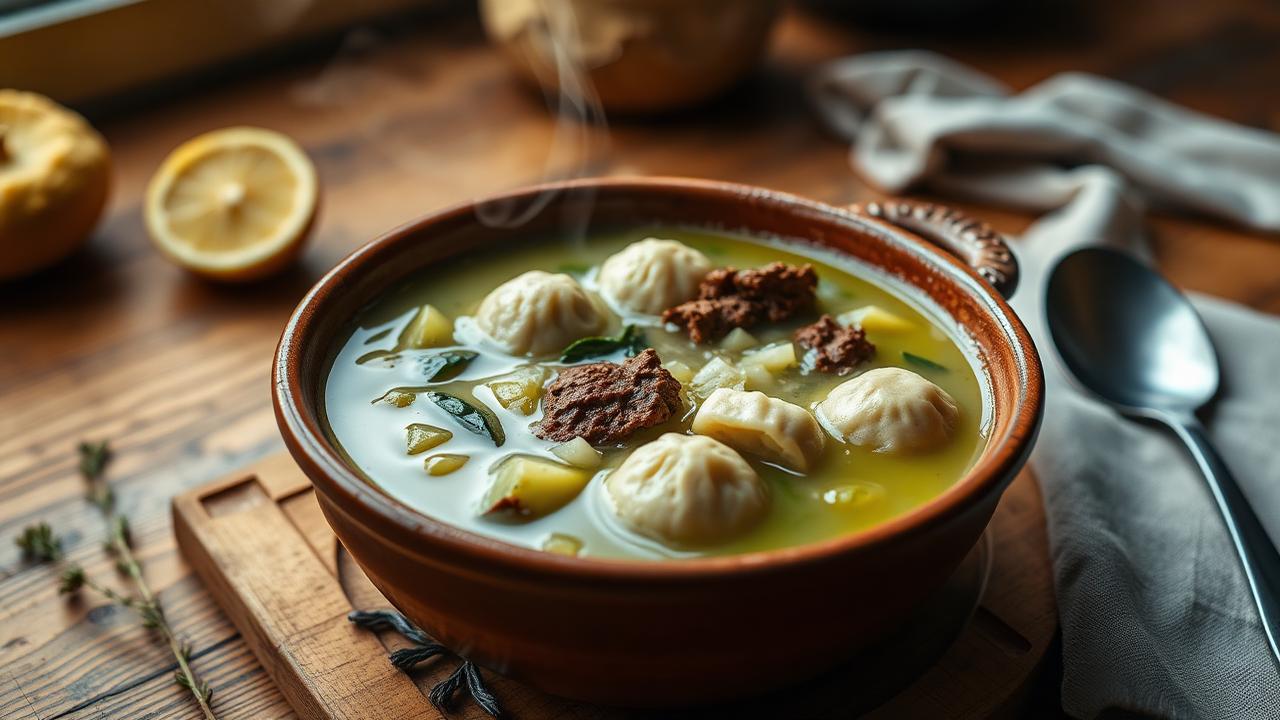
Walk through the Machane Yehuda market in Jerusalem on a Thursday afternoon and you will find tiny, steamy storefronts devoted to one thing: kubbeh soup. Behind the counter, a cook lowers pale semolina dumplings into bubbling pots of red, yellow, and green broth. Order the green one — kubbeh hamusta — and you will understand why generations of Iraqi Jews have called it the ultimate comfort food. It is tangy, warming, and deeply satisfying, a dish that tastes like someone's grandmother spent all morning making it. Because, traditionally, she did.
Kubbeh hamusta (also spelled kubba hamusta) is a soup built around stuffed dumplings. A thin shell of semolina dough wraps a savory filling of spiced ground meat, and the dumplings simmer gently in a bright, lemony broth full of soft vegetables and fresh herbs. The name says it all: hamusta comes from the Hebrew and Arabic root for 'sour,' and that clean, citrusy tang is what makes this version so addictive.
This guide will take you through everything you need to make kubbeh hamusta at home with confidence. We will trace the dish's Iraqi Jewish roots, explain why it is suddenly everywhere in food media, break down the dough and the filling, and share the practical tips that turn a fussy-sounding recipe into a weekend ritual worth repeating.
Table of Contents
- What Kubbeh Hamusta Actually Is
- Historical and Cultural Context
- Why Kubbeh Is Trending Right Now
- Ingredients and Key Concepts
- Step-by-Step Insights
- Expert Tips
- Common Mistakes to Avoid
- Frequently Asked Questions
- Key Takeaways
- Conclusion
What Kubbeh Hamusta Actually Is
At its heart, kubbeh is a filled dumpling, and versions of it appear all across the Middle East under names like kibbeh, kubba, and kubbeh. What sets the Iraqi Jewish kubbeh apart is the shell. Instead of the bulgur-based casing common in Syrian and Lebanese kibbeh, Iraqi cooks favor a soft, pliable dough made from fine semolina. The result is a dumpling that stays tender and slightly springy after simmering, soaking up the flavor of the broth around it.
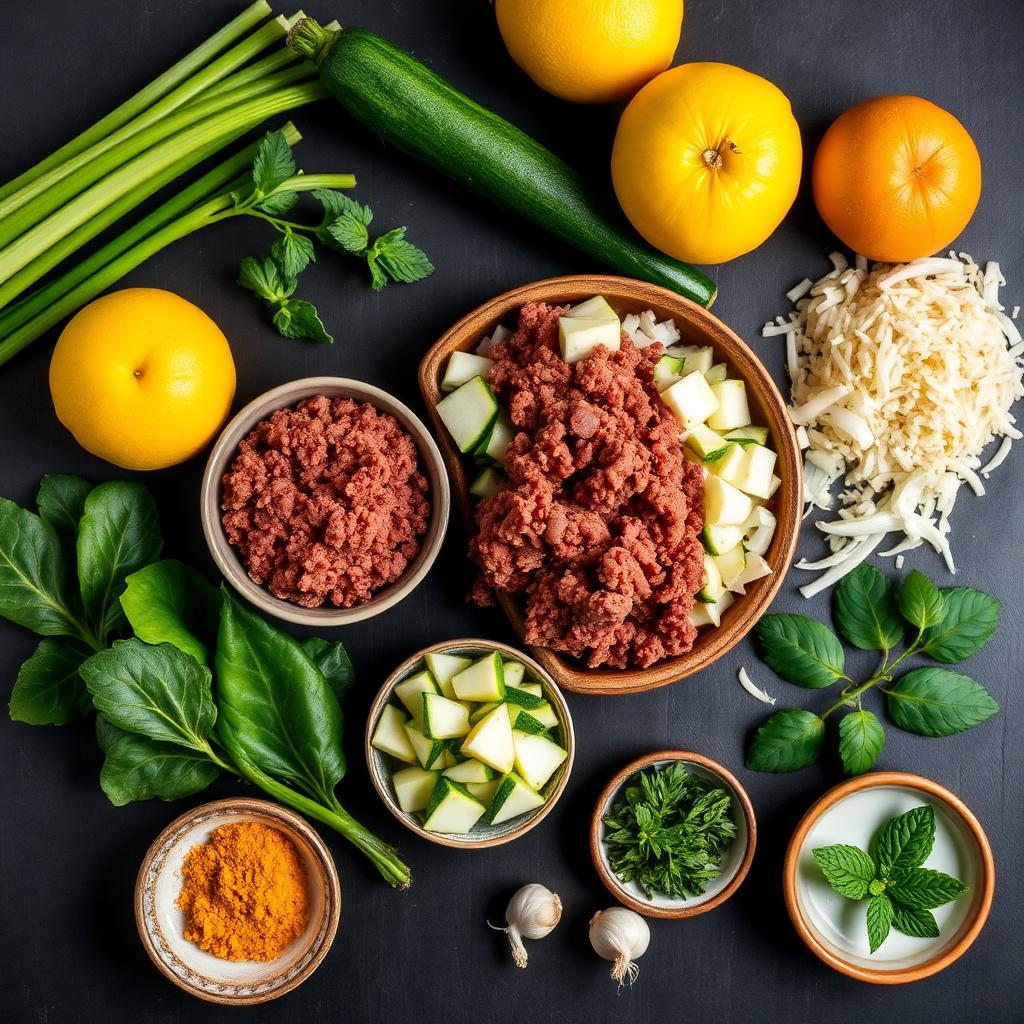
Hamusta refers to the soup itself: a light, sour, green-tinged broth. It typically carries zucchini, celery, Swiss chard or spinach, and plenty of lemon juice, brightened with fresh herbs and sometimes a whisper of dried mint. The dumplings poach directly in this liquid, thickening it slightly and tying everything together. Compared to the tomato-based kubbeh selek (with beets) or the golden squash-based versions, hamusta is the fresh, tangy sibling — the one people crave when they want something restorative rather than heavy.
Historical and Cultural Context
The Jewish community of Iraq is one of the oldest in the world, tracing its presence in Babylonia back more than 2,500 years to the exile after the destruction of the First Temple. For millennia, Iraqi Jews lived in cities like Baghdad, Basra, and Mosul, developing a rich culinary tradition shaped by the fertile land between the Tigris and Euphrates rivers and the spice routes that ran through it.
Kubbeh became a signature of this kitchen — a labor-intensive dish reserved for Shabbat, holidays, and special occasions. Making the dumplings by hand was often a communal effort, with mothers, daughters, and aunts gathered around a table, each shaping and filling dozens of shells. The practice passed the recipe down through touch and repetition rather than written measurement, which is why so many families guard slightly different versions.
After the mass emigration of Iraqi Jews to Israel in the early 1950s, kubbeh traveled with them. It took root in Jerusalem especially, where dedicated 'kubbeh bars' turned this home dish into a celebrated street food. Today it is considered one of the defining foods of Mizrahi Israeli cuisine, a living link between the vanished Jewish communities of Iraq and the tables of their descendants.
For Iraqi Jews, a pot of kubbeh hamusta is more than soup. It is a family archive — a recipe carried out of Baghdad in memory and hands, not on paper.
Why Kubbeh Is Trending Right Now
Kubbeh hamusta is having a genuine moment, and it is not hard to see why. As diners look beyond the familiar Ashkenazi canon of matzo ball soup and brisket, Mizrahi and Iraqi Jewish dishes are finally getting the spotlight. Food writers and chefs have championed kubbeh as a symbol of the diversity within Jewish cooking, and Jerusalem's kubbeh bars have become bucket-list stops for culinary travelers.
There is also a broader appetite for exactly the kind of cooking kubbeh represents: slow, handmade, and communal. In a world of shortcuts, the ritual of shaping dumplings around a table feels meaningful rather than tedious. The soup itself fits modern tastes too — it is light, vegetable-forward, and naturally bright with lemon, a welcome contrast to richer winter stews.
If you enjoy exploring the full range of the Jewish table, kubbeh sits comfortably alongside other regional treasures. Fans of our Persian Jewish gondi dumplings or the Central Asian comfort of Bukharian plov will recognize the same spirit here: humble ingredients, patient technique, and a dish worth gathering around.
Ingredients and Key Concepts
Kubbeh hamusta has two components that come together at the end: the stuffed dumplings and the sour green soup. Here is what each requires and why it matters.
For the Dumpling Shell
- Fine semolina: The foundation of the dough. Look for fine semolina (sometimes labeled semolina flour or fine farina); coarse semolina will make a gritty, hard-to-shape shell.
- Warm water: Added gradually to bring the semolina together into a soft, workable dough.
- A little oil and salt: For pliability and flavor. Some cooks add a spoon of all-purpose flour for extra elasticity.
For the Meat Filling
- Ground beef or lamb: Choose meat with some fat so the filling stays juicy. Beef is common; lamb adds richness.
- Onion: Finely chopped and softened, for sweetness and moisture.
- Warm spices: A blend of allspice, cinnamon, cumin, black pepper, and salt gives the classic Iraqi flavor.
- Fresh parsley: For a little brightness inside the shell.
For the Hamusta Broth
- Zucchini and celery: The backbone vegetables, cut into chunks and half-moons.
- Swiss chard or spinach: Leafy greens that give the soup its color and gentle earthiness.
- Garlic and onion: For a savory base.
- Lemon juice: The star of hamusta. Add generously, then adjust to taste at the end.
- Turmeric: A pinch for warmth and a golden-green hue.
- Fresh herbs and dried mint: Celery leaves, parsley, and a little dried mint round out the sourness.
Step-by-Step Insights
Do not let the dumplings intimidate you. The process is repetitive rather than difficult, and it gets faster with every one you shape. Here is how the dish comes together.
1. Make the Dough
Combine fine semolina with a little salt, then work in warm water a bit at a time until you have a soft, smooth dough that holds together without cracking. Cover it and let it rest for 20 to 30 minutes. This rest lets the semolina fully hydrate, which makes the dough far easier to shape into thin shells.
2. Prepare the Filling
Soften the chopped onion in a little oil, then mix it with the ground meat, warm spices, salt, and parsley. Keep the mixture on the moist side; a dry filling makes for a dry dumpling. Roll it into small balls so you have a ready supply as you shape.
3. Shape the Dumplings
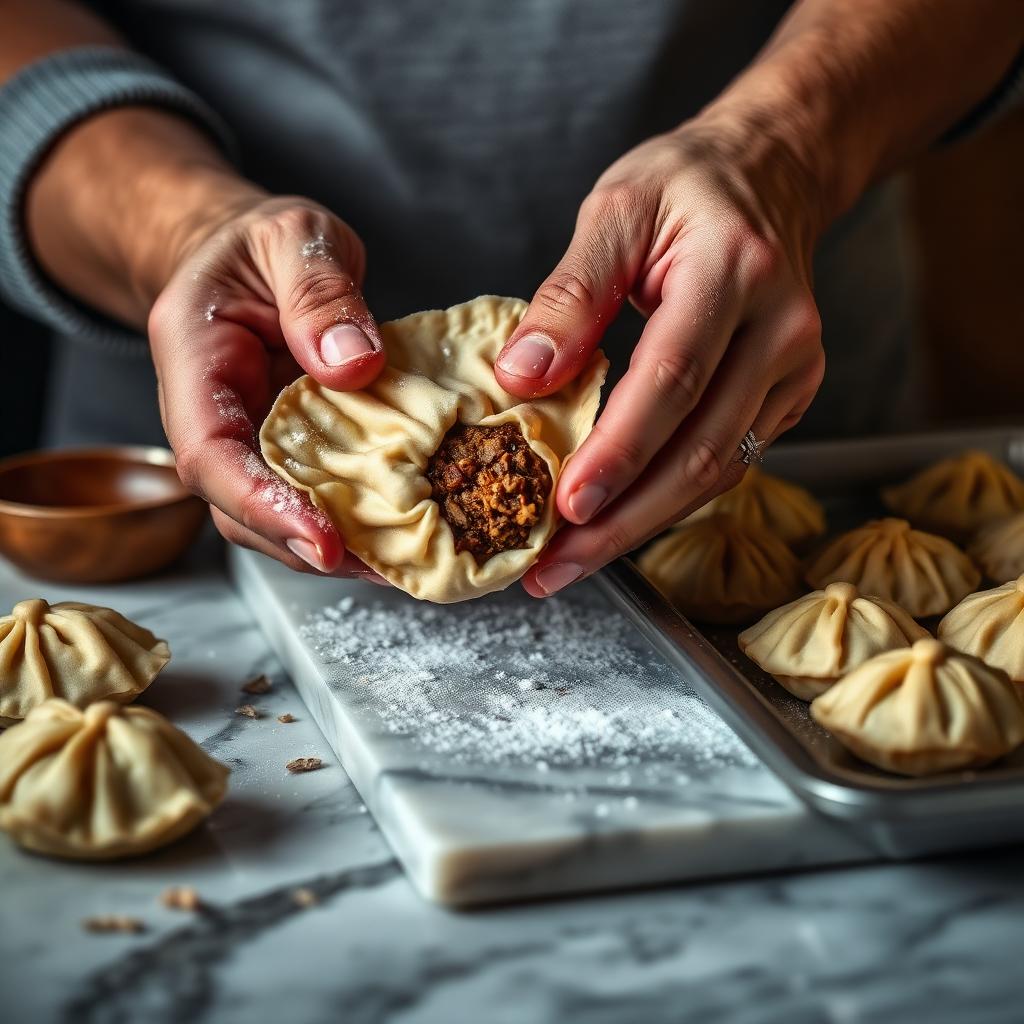
Wet your hands to keep the dough from sticking. Take a walnut-size piece of dough, flatten it into a thin disc in your palm, place a ball of filling in the center, and gently draw the edges up and over. Pinch to seal, then roll between your palms into a smooth oval or round. Set each finished dumpling on a lightly floured tray. Aim for a thin shell; thick dough turns gummy.
4. Build the Broth
In a large pot, soften onion and garlic, add the zucchini and celery, and pour in water or a light stock. Season with turmeric and salt and let the vegetables simmer until just tender. This vegetable-forward base is what will carry the sour, herbal character of the finished soup.
5. Poach and Finish
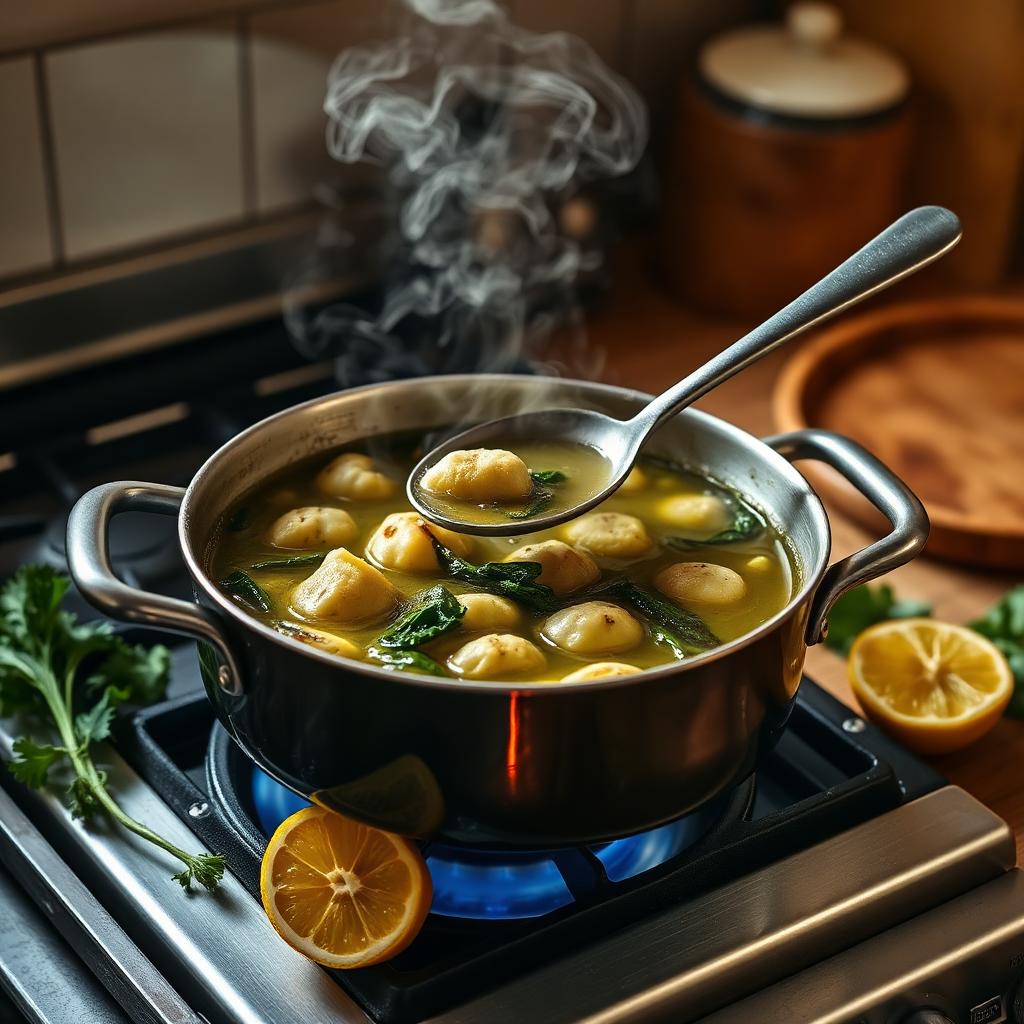
Lower the dumplings gently into the simmering broth and let them cook undisturbed until they float and the shells turn tender and slightly translucent, usually 20 to 30 minutes. In the last few minutes, add the chard or spinach, a generous squeeze of lemon juice, and the dried mint. Taste and adjust the lemon and salt until the broth is bright and balanced, then serve piping hot.
Expert Tips
- Keep your hands wet: A small bowl of water beside you prevents the semolina dough from sticking and cracking as you shape each dumpling.
- Taste the broth last: The soul of hamusta is balance. Add most of the lemon at the end so the acidity stays fresh and vibrant rather than dulled by long cooking.
- Make ahead and freeze: Raw shaped dumplings freeze beautifully on a tray. Drop them straight from the freezer into simmering broth when you want a quick, comforting meal.
- Cook a test dumpling: Poach one first to check that the shell holds and the filling is seasoned well before committing the whole batch.
- Do not boil hard: A gentle simmer keeps the shells from bursting. Aggressive bubbling can tear them and cloud the broth.
Common Mistakes to Avoid
- Using coarse semolina: It produces a gritty, brittle shell that cracks. Fine semolina is essential for a smooth, pliable dough.
- Rolling the shells too thick: Thick dough turns gummy and heavy. Aim for a thin, even casing around the filling.
- Skipping the dough rest: Without time to hydrate, the dough tears and fights you at every turn.
- Under-seasoning the filling: The broth is subtle, so the meat inside needs to be well spiced and salted to carry the dish.
- Adding lemon too early: Long simmering flattens the acidity. The signature sour brightness comes from finishing with fresh lemon.
Conclusion
Kubbeh hamusta rewards patience like few other dishes. The first time you make it, shaping the dumplings will feel slow and a little clumsy; by the end of the batch, your hands will have found the rhythm that Iraqi Jewish cooks have passed down for generations. When you finally ladle the bright, sour broth over those tender semolina shells, you will taste why this soup has jumped from family kitchens to celebrated market stalls.
More than a recipe, kubbeh is an invitation to slow down and connect — to the vegetables of the season, to the people shaping dumplings beside you, and to a community that carried its cuisine across the world in memory and hands. Make a big pot, share it generously, and let it become a tradition in your own home.
Key Takeaways
- Kubbeh hamusta is an Iraqi Jewish dish of semolina dumplings stuffed with spiced meat, served in a tangy, lemony green vegetable soup.
- The shell is made from fine semolina, not bulgur, giving Iraqi kubbeh its signature tender, springy texture.
- The 'hamusta' (sour) broth gets its brightness from lemon added near the end, plus zucchini, celery, chard, and fresh herbs.
- Once a labor-intensive Shabbat and holiday dish, kubbeh is now a celebrated street food at Jerusalem's kubbeh bars.
- Raw dumplings freeze well, making this comforting soup easy to prepare ahead for a quick weeknight meal.
Frequently Asked Questions
What is the difference between kubbeh hamusta and other kubbeh soups?
Kubbeh hamusta is the sour, green version, made with a lemony broth of zucchini, celery, and chard. Other Iraqi Jewish kubbeh soups include kubbeh selek, which is red and made with beets, and squash-based versions that are golden and slightly sweet. All share the same semolina dumplings but differ in the broth.
Can I make kubbeh hamusta vegetarian?
Yes. You can fill the dumplings with a mixture of sauteed mushrooms, onions, and herbs, or with mashed chickpeas and spices, and simmer them in a vegetable broth. The tangy hamusta soup itself is naturally vegetable-forward, so it adapts well to a meat-free version.
Why is my kubbeh dough cracking?
Cracking usually means the dough is too dry or has not rested long enough. Use fine semolina, add warm water gradually until the dough is soft and smooth, let it rest for at least 20 minutes, and keep your hands wet while shaping.
Can I freeze kubbeh dumplings?
Absolutely. Freeze the raw, shaped dumplings in a single layer on a tray, then transfer them to a bag once solid. Cook them straight from frozen in simmering broth, adding a few extra minutes to the poaching time.
Is kubbeh hamusta kosher?
Yes, when made with kosher meat and kept free of dairy. Because it is a meat dish, do not finish it with butter, yogurt, or cream, and serve it as part of a meat meal in line with kosher guidelines.
Loved this recipe?
Share it with your family, leave a comment, and explore more traditional and modern Jewish dishes on JewishCuisine.
Explore more Traditional recipes