Chraime: The Spicy North African Fish That Owns the Shabbat Table
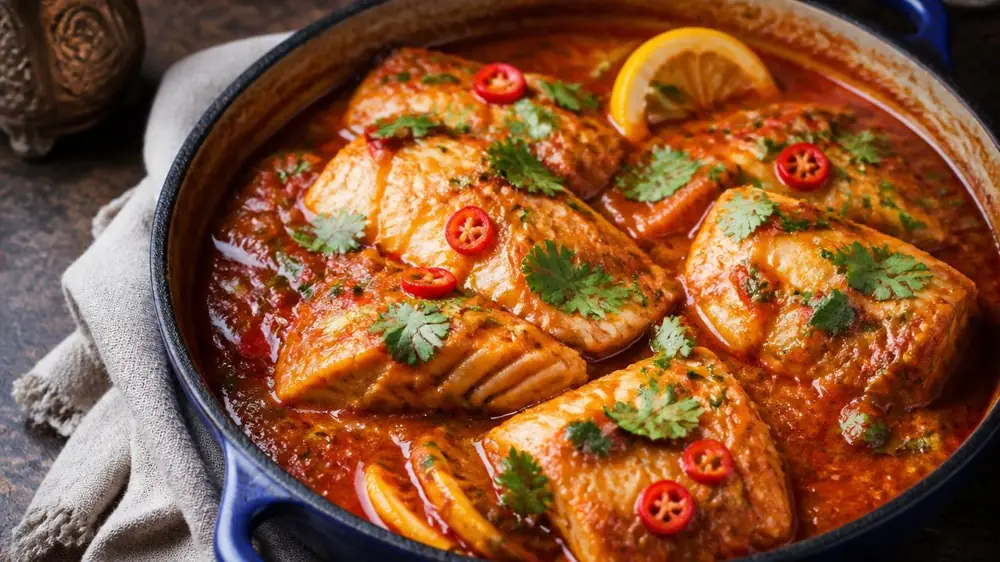
There are dishes that whisper and dishes that announce themselves the moment they hit the table. Chraime belongs firmly to the second group. A platter of white fish swimming in a slick, scarlet sauce of paprika, garlic, and tomato, fragrant with cumin and crackling with heat — it is the kind of food that makes a room go quiet and then very loud. For Jewish families with roots in Libya, Tunisia, Morocco, and Algeria, it is far more than a recipe. It is the centerpiece of Shabbat dinner and the dish that opens the meal on Rosh Hashanah, when fish symbolizes abundance and a sweet new year.
The name itself comes from the Arabic word for hot or spicy, and the dish wears that name proudly. Yet chraime is not heat for its own sake. Underneath the chili there is depth — the slow bloom of paprika in warm oil, the sweetness of ripe tomato, the perfume of garlic and cumin, and the clean taste of fresh fish poached gently until it just flakes. It is a study in how a handful of pantry ingredients can become something far greater than the sum of its parts.
In this guide we will trace where chraime comes from, why it has become one of the most talked-about dishes in modern Israeli cooking, what goes into an authentic version, and exactly how to make it at home in a single pan. The technique is forgiving and fast, but a few key moves — blooming the spices, building the sauce before the fish goes in, and resisting the urge to stir — separate a flat version from one that sings.
Table of Contents
- What Chraime Actually Is
- Historical and Cultural Context
- Why Chraime Is Trending Right Now
- Ingredients and Key Concepts
- Step-by-Step Insights
- Expert Tips
- Common Mistakes to Avoid
- Frequently Asked Questions
- Key Takeaways
- Conclusion
What Chraime Actually Is
Chraime is a North African Jewish dish of fish poached in a thick, spicy red sauce built on garlic, sweet and hot paprika, tomato, and cumin, brightened at the end with lemon and fresh cilantro. The fish is never fried hard or stewed to pieces; it is laid into a simmering sauce and cooked just until it flakes, so it stays moist and tender while soaking up the bold flavors around it.
What sets chraime apart from other tomato-based fish dishes is the assertive use of spice and the looseness of the sauce. Where a Mediterranean fish stew might lean on wine and herbs, chraime leans into paprika and chili, with enough oil and liquid to make a sauce begging to be mopped up with bread. It is rich without being heavy, and spicy without losing the delicate character of the fish.
- A one-pan dish: the sauce and fish cook together in the same pan.
- Built on a paprika, garlic, tomato, and cumin base bloomed in oil.
- Fish is gently poached, not deep-fried, so it stays tender.
- Served warm or at room temperature, always with bread for the sauce.
Historical and Cultural Context
Chraime traces its deepest roots to the Jewish communities of Libya and Tunisia, with closely related versions cooked across Morocco and Algeria. For these communities, fish carried layered meaning. It was Shabbat food, eaten on Friday night in keeping with the long Jewish tradition of serving fish to honor the day. It was also a symbol of fertility, blessing, and protection, which gave it pride of place on holiday tables, especially at Rosh Hashanah, when many Sephardic and Mizrahi families eat fish as a sign of a fruitful year ahead.
When Jews from North Africa immigrated to Israel in large numbers during the mid-twentieth century, they brought chraime with them. Over the following decades the dish crossed community lines, moving from the kitchens of Libyan and Tunisian families into the broader Israeli mainstream. Today it is cooked in homes whose grandparents never set foot in North Africa, a sign of how thoroughly Mizrahi and Sephardic cooking has shaped the modern Israeli table.
Every family guards its own version. Some make it blistering hot, others keep it gently warm. Some swear by a particular fish, others by a splash of this or a pinch of that. What unites them is the ritual: a pan of chraime set in the middle of the table on Friday night, eaten with torn bread and a great deal of conversation. The dish is a living thread connecting Israeli kitchens back to the Jewish communities of the Maghreb.
Chraime is memory in a pan — the taste of a North African Friday night carried across the sea and set down, still bubbling, on the Israeli table.
Why Chraime Is Trending Right Now
Chraime is enjoying a real moment, and the reasons say a lot about how people want to eat today. The first is the global surge of interest in Mizrahi and Sephardic Jewish cooking. After decades in which Ashkenazi dishes defined what most people thought of as Jewish food, cooks and writers are finally giving North African, Yemenite, and Middle Eastern Jewish traditions the spotlight, and chraime is one of the breakout stars of that shift.
The second reason is practical. Chraime is fast, made in one pan, and built mostly from pantry staples plus a piece of fresh fish. In an era when home cooks crave bold flavor without a long ingredient list or a sink full of pots, a dish that delivers this much impact in under forty minutes is enormously appealing. It feels both impressive and achievable, which is a rare and powerful combination.
Finally, there is the flavor itself. As palates everywhere lean into spice, fermentation, and big, layered seasoning, chraime fits the moment perfectly. It is the kind of dish that photographs beautifully and tastes even better than it looks, and it gives weeknight fish — often seen as bland or fussy — a thrilling new identity. For anyone tired of plain baked fillets, chraime is a revelation.
Ingredients and Key Concepts
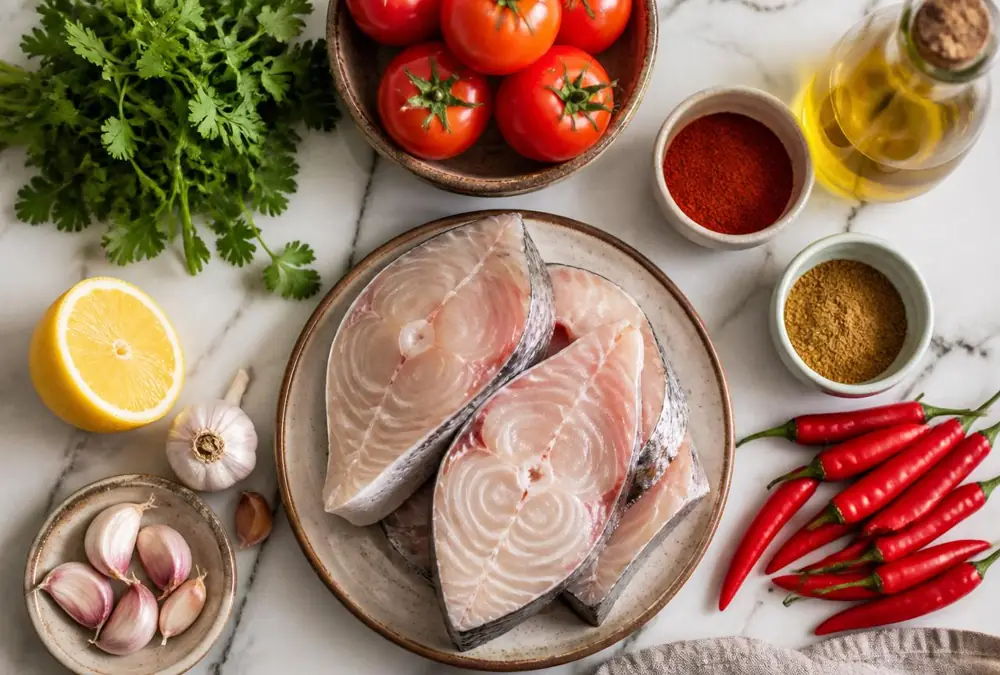
Chraime asks for a short list of ingredients, but each one earns its place. The fish should be a firm, white-fleshed variety that holds together during poaching — grouper, cod, halibut, sea bass, or snapper all work well, cut into thick steaks or fillets. The sauce is built on a generous amount of garlic, sweet paprika for color and depth, hot paprika or fresh chili for heat, ground cumin, tomato, and good olive oil. Lemon and fresh cilantro finish it.
- Firm white fish: grouper, cod, halibut, sea bass, or snapper, in thick pieces.
- Garlic: a lot of it, sliced or minced — chraime is unapologetically garlicky.
- Sweet paprika: the backbone of the sauce's color and mellow depth.
- Hot paprika or fresh chili: for the signature heat, adjusted to taste.
- Ground cumin: warm and earthy, balancing the brightness of the tomato.
- Tomato: paste, fresh, or both, for body and a touch of sweetness.
- Olive oil, water, salt, lemon juice, and fresh cilantro to finish.
The single most important concept is blooming the spices. Paprika and cumin release their flavor and color into fat, not water, so the garlic and ground spices are cooked briefly in warm oil before any liquid is added. Do this over gentle heat — paprika scorches and turns bitter in seconds if the oil is too hot. Get this step right and the whole dish takes on a deep, rounded flavor that no amount of simmering can fake.
Step-by-Step Insights
Chraime comes together quickly once you start, so have everything prepped before the oil hits the pan. The method is simple: build the sauce, lay in the fish, and let it poach gently until just done. Here is the process broken into clear stages.
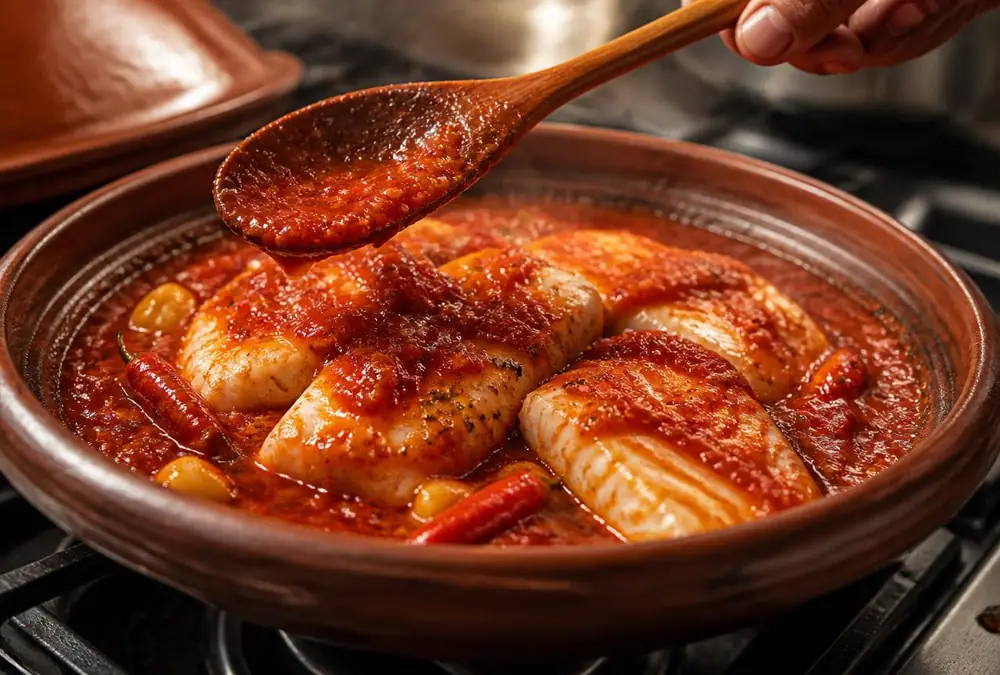
- Prep the fish: Rinse and pat dry thick pieces of firm white fish, season lightly with salt, and set aside while you build the sauce.
- Bloom the aromatics: Warm a generous pour of olive oil in a wide, shallow pan over medium-low heat. Add sliced garlic and cook until fragrant but not browned, then stir in the sweet paprika, hot paprika or chili, and cumin for about 30 seconds until the oil turns deep red.
- Build the sauce: Stir in tomato paste and let it darken for a minute, then add water (and chopped fresh tomato if using) to make a loose, spoonable sauce. Season with salt and let it simmer for 5 to 8 minutes to come together.
- Add the fish: Nestle the fish pieces into the simmering sauce in a single layer. Spoon some sauce over the top so each piece is partly submerged.
- Poach gently: Cover and cook over low heat for 12 to 18 minutes, depending on thickness, basting once or twice, until the fish flakes easily and is opaque throughout. Do not stir or flip aggressively.
- Finish: Turn off the heat, squeeze in fresh lemon juice, and scatter generously with chopped cilantro. Let it rest a few minutes before serving.
Expert Tips
A few details lift chraime from good to unforgettable. None take extra time; they are mostly about restraint and timing.
- Bloom the paprika over gentle heat. The difference between deep, sweet red and acrid burnt spice is just a few seconds of too-high heat.
- Use a wide, shallow pan so the fish sits in a single layer and poaches evenly in the sauce.
- Make the sauce slightly looser than you want the final dish — it will reduce as the fish cooks and the fish will release a little liquid.
- Let it rest, and consider serving at room temperature. Like many spiced dishes, chraime tastes even better after the flavors settle.
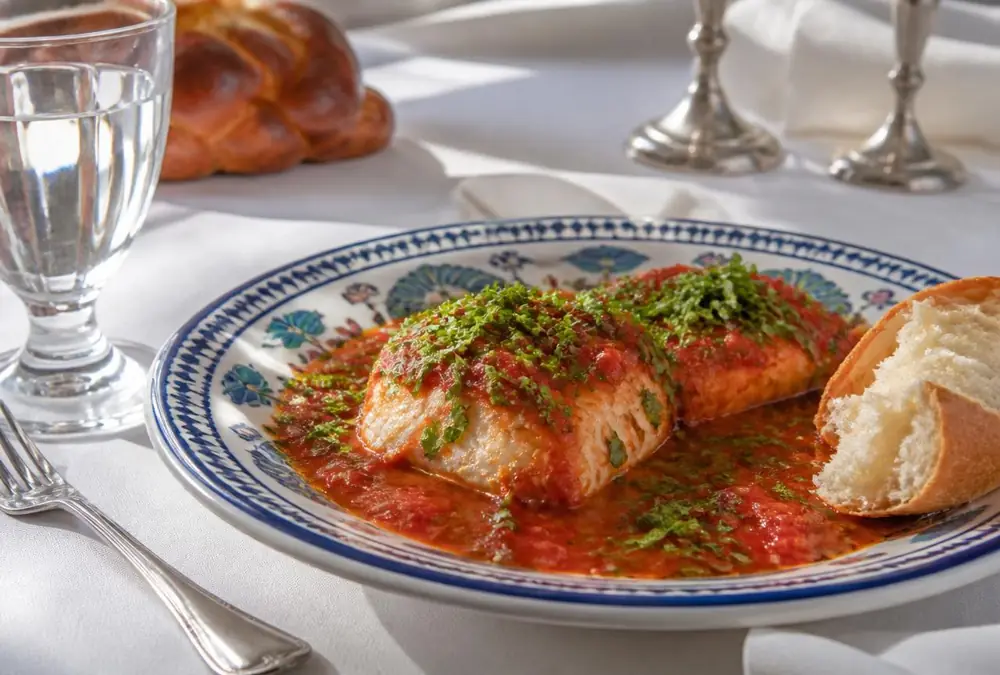
- Always serve with bread — fresh challah, a baguette, or pita — because the sauce is half the point.
Common Mistakes to Avoid
Chraime is hard to ruin, but a few common slips keep it from reaching its full potential. Knowing them ahead of time guarantees a better pan.
- Burning the paprika by adding it to oil that is too hot, which turns the whole sauce bitter.
- Using a thin, flaky fish that falls apart in the sauce instead of a firm, white-fleshed variety.
- Stirring or flipping the fish too much, which breaks the pieces and clouds the sauce.
- Overcooking the fish until dry — it needs only minutes once it is in the simmering sauce.
- Skipping the bread and the final lemon and cilantro, which provide the brightness and the vehicle the dish was designed around.
Frequently Asked Questions
Below are the questions home cooks ask most often when making chraime for the first time.
Key Takeaways
Chraime proves that a piece of fish and a handful of spices can become a showstopper. It is a one-pan North African Jewish classic, built on bloomed paprika, garlic, cumin, and tomato, with fish poached gently until just tender. Treat the spices with care, choose a firm white fish, keep the cooking gentle, and finish with lemon and cilantro. Serve it warm with plenty of bread and let everyone reach into the same bubbling pan.
Conclusion
There is a reason chraime has traveled from the Jewish kitchens of Libya and Tunisia to tables all over Israel and beyond. It carries the warmth of a North African Friday night, the symbolism of fish at the new year, and a flavor bold enough to make any meal feel like an occasion. To cook it is to take part in a tradition that crossed a sea and found a new home without losing an ounce of its character.
So warm your oil, bloom your paprika until the kitchen smells like the Mediterranean, and lay your fish into that glorious red sauce. Set the pan in the middle of the table, hand around the bread, and watch what happens. Once you taste chraime made well, plain baked fish will never feel like enough again.
Key Takeaways
- Chraime is a North African Jewish dish of fish poached in a spicy paprika, garlic, and tomato sauce.
- It is a Shabbat and Rosh Hashanah staple from Libyan and Tunisian Jewish communities, now mainstream in Israel.
- Blooming the paprika and cumin gently in oil is the key to deep, non-bitter flavor.
- Use a firm white fish and poach it gently so it stays moist and intact.
- Finish with lemon and cilantro and always serve with bread for the sauce.
Frequently Asked Questions
What does chraime taste like?
Chraime is bold, garlicky, and spicy, with a rich paprika and tomato sauce balanced by warm cumin, bright lemon, and fresh cilantro. The fish stays tender and mild, soaking up the deeply flavored sauce around it.
What is the best fish for chraime?
Use a firm, white-fleshed fish that holds together while poaching, such as grouper, cod, halibut, sea bass, or snapper, cut into thick steaks or fillets. Avoid thin, delicate fish that fall apart in the sauce.
How spicy is chraime?
Traditionally quite spicy, but the heat is fully adjustable. Use more sweet paprika and less hot paprika or chili for a milder version, or add fresh chili and cayenne for a fiery one.
Can I make chraime ahead of time?
Yes. Chraime often tastes even better after the flavors settle, and it is delicious served warm or at room temperature. Make it a few hours ahead and gently rewarm, or serve it at room temperature as is common for Shabbat.
Is chraime kosher?
Made with a kosher fish that has fins and scales, chraime is kosher and naturally pareve, so it can be served with both meat and dairy meals. Always confirm your specific ingredients carry kosher certification where needed.
Loved this recipe?
Share it with your family, leave a comment, and explore more traditional and modern Jewish dishes on JewishCuisine.
Explore more Traditional recipes