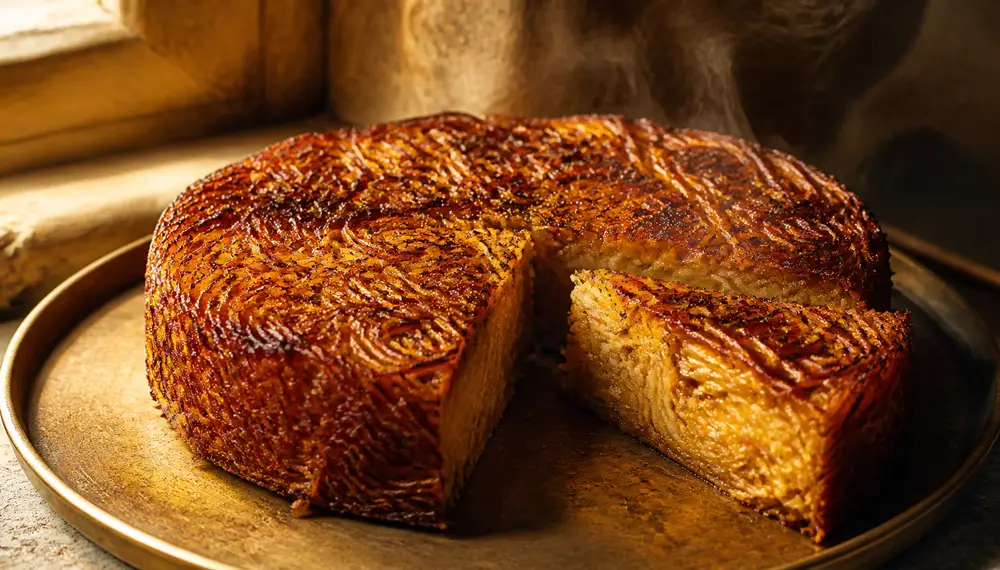
Classic Cholent: The Slow-Cooked Shabbat Stew That Warms Generations
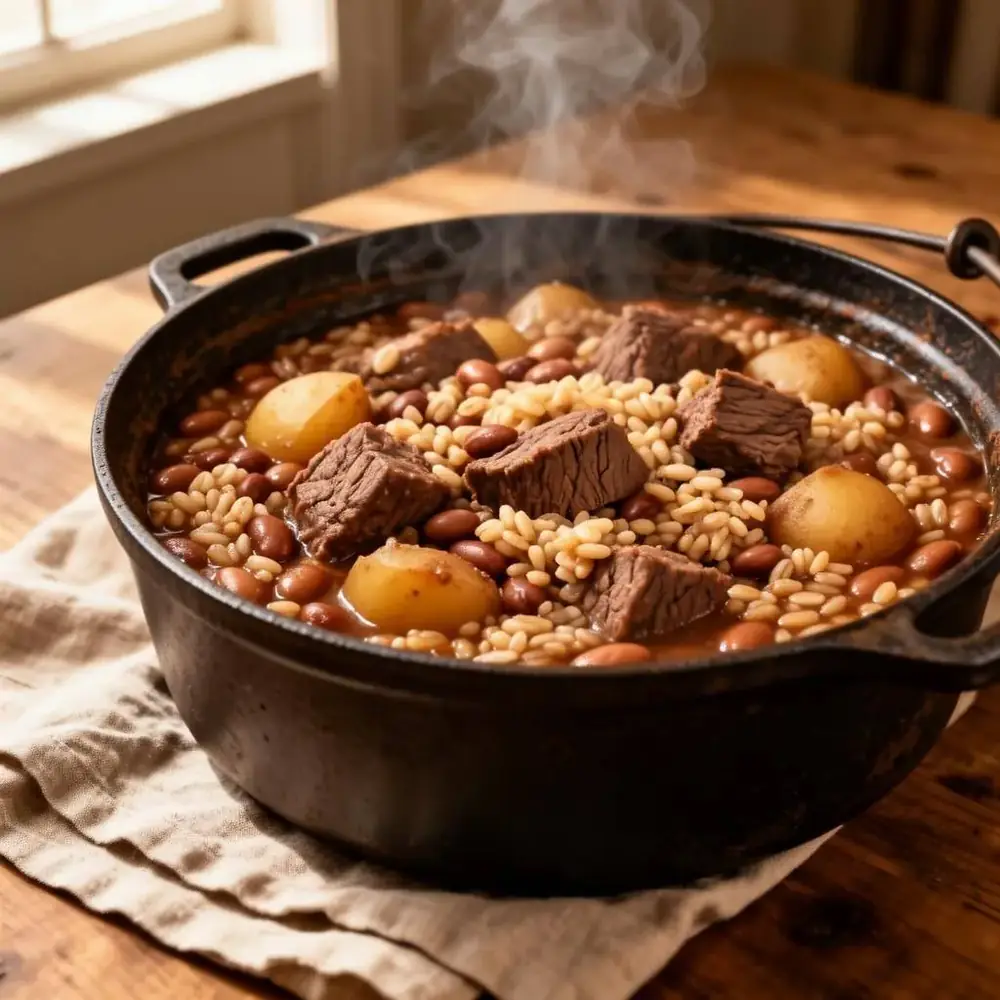
Few dishes capture the spirit of Shabbat quite like cholent. Born from a beautiful religious workaround — the prohibition against cooking on the Sabbath — this hearty stew is assembled before sundown on Friday and left to simmer gently overnight, filling the home with its rich aroma by the time Saturday lunch arrives. The result is meltingly tender beef, creamy beans, and barley that drinks up every bit of savory flavor.
Cholent (pronounced CHUH-lent) is more than a recipe; it's a weekly ritual passed down through generations of Ashkenazi families. This guide walks you through building a deeply flavored, foolproof pot — on the stove, in a slow cooker, or in a low oven.
Why You'll Love This Cholent
- Completely hands-off — it cooks low and slow while you rest.
- Deeply savory, with fall-apart beef and creamy beans.
- Naturally kosher and perfect for a traditional Shabbat lunch.
- Forgiving and adaptable to whatever's in your pantry.
Ingredients
- 2 lbs beef chuck or flanken, cut into large chunks
- 1 cup dried beans (a mix of kidney, pinto, and navy), soaked overnight
- ½ cup pearl barley
- 4 medium potatoes, peeled and halved
- 2 onions, chopped
- 4 garlic cloves, smashed
- 2 tablespoons paprika, 1 teaspoon black pepper, 1 bay leaf
- 1 tablespoon kosher salt, plus more to taste
- 6–8 cups water or beef broth
Step-by-Step Instructions
- In a large heavy pot, brown the beef chunks in a little oil until deeply colored, then remove.
- Soften the onions and garlic, then return the beef to the pot.
- Layer in the drained beans, barley, potatoes, and spices.
- Pour in enough water or broth to cover everything by about an inch.
- Bring to a simmer, cover tightly, and transfer to a 225°F (110°C) oven (or set a slow cooker to low) for 10–12 hours overnight.
- In the morning, check the seasoning, add a splash of water if needed, and serve hot.
Cholent rewards patience. The longer it rests, the more the flavors meld into something far greater than the sum of its humble parts.
A Little Jewish Culinary History
Cholent's origins trace back centuries to Jewish communities seeking a hot meal on the Sabbath without violating the prohibition on cooking. The name likely derives from the Old French “chaud” (hot) and “lent” (slow). Sephardic Jews developed a parallel dish called hamin, often built around chickpeas and rice. Wherever Jews settled, the same idea took root: a pot set to cook before Shabbat and shared with love the next day.
Cooking Tips From the Experts
- Brown the beef first — it builds the deep, savory backbone of the stew.
- Soak the beans overnight so they cook evenly and turn creamy.
- Keep the lid tight to trap moisture during the long cook.
- Season generously; long cooking mellows salt and spice.
Common Mistakes to Avoid
- Not adding enough liquid (cholent can dry out over a long cook).
- Cooking at too high a temperature, which can scorch the bottom.
- Skipping the browning step and losing depth of flavor.
- Using lean meat — fattier cuts like chuck stay tender.
Key Takeaways
- Cholent is a slow-cooked Shabbat stew designed to cook overnight without violating Sabbath rules.
- Beef chuck, mixed beans, barley, and potatoes form the classic foundation.
- Browning the meat and soaking the beans are key to deep flavor and creamy texture.
- Cook low and slow (225°F or slow-cooker low) for 10–12 hours.
Frequently Asked Questions
Can I make cholent in a slow cooker?
Absolutely — a slow cooker is ideal. Assemble everything, set it to low, and let it cook for 10–12 hours overnight for a perfect Shabbat lunch.
Why is my cholent dry?
It likely needed more liquid or cooked too hot. Always cover ingredients by about an inch of water or broth and keep the temperature low.
Can I make cholent vegetarian?
Yes. Skip the meat and add extra beans, barley, mushrooms, and a splash of soy sauce or smoked paprika for a hearty, savory depth.
Loved this recipe?
Share it with your family, leave a comment, and explore more traditional and modern Jewish dishes on JewishCuisine.
Explore more Traditional recipes