Gondi: The Persian Jewish Chickpea Dumplings of Shabbat
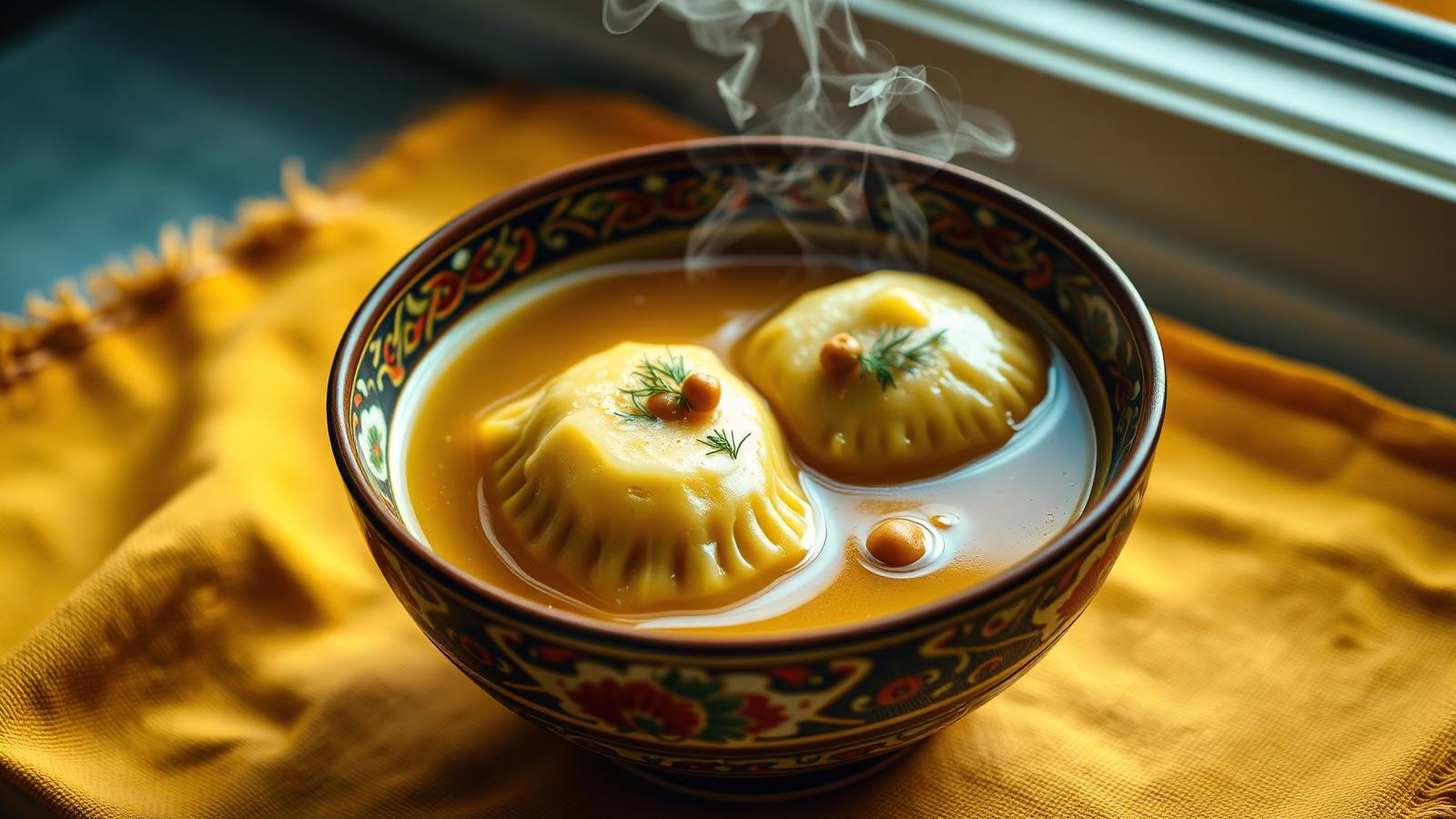
Walk into a Persian Jewish home on a Friday afternoon and you may catch the warm, gently spiced aroma of gondi simmering on the stove. These plump, tender dumplings — made from ground chickpeas and chicken, scented with cardamom and turmeric — bob quietly in a pot of golden broth, waiting for Shabbat dinner. For families with roots in Iran, gondi is not just a soup course. It is a taste of home, a marker of identity, and one of the most cherished dishes on the Persian Jewish table.
Gondi (sometimes spelled gundi) belongs to the world of Mizrahi cuisine — the foodways of Jewish communities across the Middle East and Central Asia. While Ashkenazi cooks reach for matzo balls, Persian Jews reach for gondi: soft, savory dumplings with a personality all their own. The chickpea flour gives them a nutty depth, the cardamom lends a floral warmth, and the broth ties everything together into pure comfort.
This guide walks you through everything you need to make gondi at home with confidence. We will explore where the dish comes from, why it is gaining new attention beyond the Persian Jewish community, exactly what goes into it, and a reliable step-by-step method. We will also cover the mistakes that leave gondi dense or bland, so your first batch turns out light, moist, and deeply flavorful.
Table of Contents
- What Gondi Actually Is
- Historical and Cultural Context
- Why Gondi Is Trending Again
- Ingredients and Key Concepts
- Step-by-Step Insights
- Expert Tips
- Common Mistakes to Avoid
- Frequently Asked Questions
- Key Takeaways
- Conclusion
What Gondi Actually Is
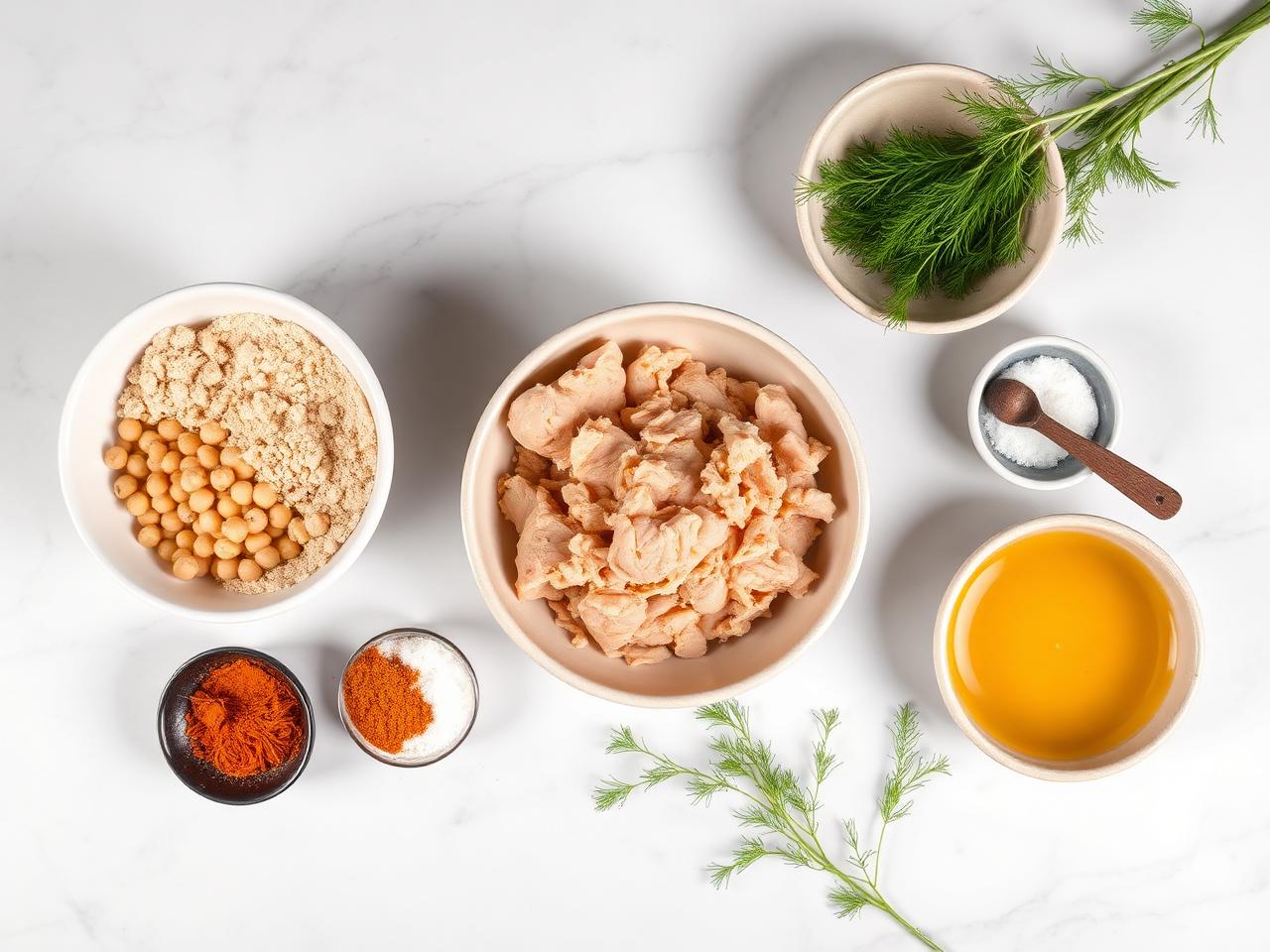
Gondi is a Persian Jewish dumpling made from a mixture of ground chicken (or sometimes ground turkey or veal) and chickpea flour, seasoned generously with cardamom, turmeric, and grated onion. The mixture is rolled into balls roughly the size of a small plum and gently poached in a light, golden chicken broth until they swell and turn tender. The result is a dumpling that is savory, subtly spiced, and satisfyingly soft.
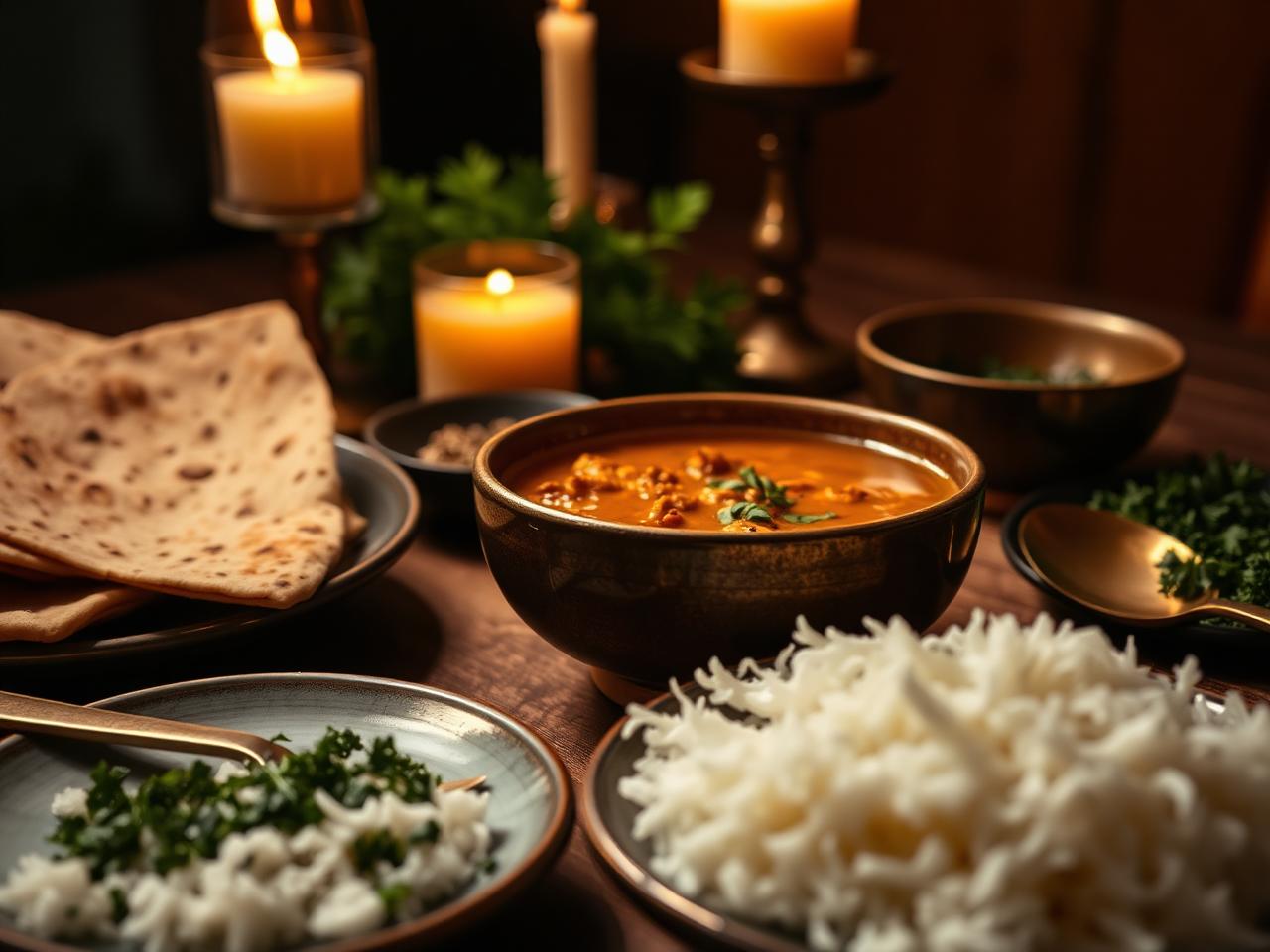
Unlike the fluffy, bread-like texture of an Ashkenazi matzo ball, gondi has a denser, more substantial bite thanks to the chickpea flour and meat. Cardamom is the signature note — its warm, almost citrusy fragrance is what makes gondi unmistakably Persian. Served in its broth alongside fluffy basmati rice and a plate of fresh herbs, gondi anchors the Shabbat meal in many Iranian Jewish households.
- Persian Jewish dumplings of ground chicken and chickpea flour.
- Seasoned with cardamom, turmeric, and grated onion.
- Gently poached in a light, golden chicken broth.
- Served with basmati rice, fresh herbs, and flatbread on Shabbat.
Historical and Cultural Context
The Jewish community of Iran is one of the oldest continuous Jewish communities in the world, with roots stretching back more than 2,700 years to the Babylonian exile. Over the centuries, Persian Jews developed a distinct cuisine that wove together the herbs, spices, and techniques of Iran with the rhythms of Jewish observance. Gondi emerged from this tradition as a beloved Shabbat dish, especially associated with the community of Tehran.
Chickpeas and chickpea flour have long been staples across the Middle East, prized for being affordable, filling, and rich in protein. Combining ground chickpeas with a little meat allowed cooks to stretch precious ingredients into a hearty, nourishing dish — the same spirit of thrift and ingenuity found in Jewish kitchens around the world. Cardamom, one of the most treasured spices in Persian cooking, elevated the humble dumpling into something festive and fragrant.
Following the upheavals of the twentieth century, large Persian Jewish communities settled in Israel, Los Angeles, and New York, carrying their recipes with them. Gondi traveled in the memories and notebooks of grandmothers and mothers, and today it remains a powerful link to Iranian Jewish heritage — a dish served with pride at Shabbat tables far from Tehran, keeping a centuries-old tradition alive.
For Persian Jews, gondi is more than a dumpling — it is a spoonful of history, seasoned with the memory of a homeland and the warmth of the Shabbat table.
Why Gondi Is Trending Again
Gondi is finding a wider audience, and the reasons reflect how curious and connected today's home cooks have become. As interest in Mizrahi and Sephardic cooking surges, dishes that once lived only within specific communities are being celebrated in cookbooks, food media, and social platforms. Gondi, with its striking golden broth and fragrant spice, is a natural star for that spotlight.
There is also a growing appetite for globally inspired comfort food that still feels wholesome. Gondi checks every box: it is protein-rich, naturally gluten-free when made with pure chickpea flour, and built around pantry-friendly ingredients. For cooks looking beyond the familiar matzo ball, gondi offers a soulful new way to open a Shabbat or holiday meal.
Finally, younger members of the Persian Jewish diaspora are actively documenting and sharing their family recipes, determined to keep their heritage from fading. That grassroots effort — recipes passed from grandparents to grandchildren and then to the wider world — has pushed gondi into the conversation about preserving endangered Jewish food traditions.
Ingredients and Key Concepts
Gondi rewards good balance more than fancy ingredients. The ratio of chickpea flour to meat, the freshness of the spices, and the gentleness of the poach all matter. Here is what you need and why each element counts.
- Ground chicken: the traditional base; use dark meat or a mix for the juiciest, most flavorful dumplings. Ground turkey or veal also works.
- Chickpea flour: the defining ingredient, giving gondi its nutty flavor and tender-yet-substantial texture; also keeps the dish gluten-free.
- Onion: grated onion adds moisture, sweetness, and depth throughout the dumpling.
- Cardamom: the signature spice — ground green cardamom lends the warm, floral aroma that makes gondi unmistakably Persian.
- Turmeric: gives color and an earthy, gentle warmth to both the dumplings and the broth.
- Chicken broth: a light, well-seasoned broth is the poaching liquid and the soup itself, so make it flavorful.
- Salt, pepper, and a little oil: to season the mixture and keep it moist and cohesive.
- Optional saffron: a pinch bloomed in warm water deepens the golden color and adds luxury.
Step-by-Step Insights
Making gondi is straightforward, but a few key moves — getting the mixture moist, chilling it, and poaching gently — make the difference between light dumplings and dense ones. Here is a reliable method.
- Make the broth: simmer chicken pieces with onion, turmeric, salt, and pepper to build a light, golden, well-seasoned broth. Keep it at a gentle simmer while you shape the dumplings.
- Mix the dumpling base: in a bowl, combine ground chicken, chickpea flour, grated onion, ground cardamom, turmeric, salt, pepper, and a splash of oil or a little broth. Mix well until the texture is soft, moist, and cohesive.
- Adjust the consistency: the mixture should be soft enough to shape but hold its form. If it feels stiff or dry, work in a little more broth or oil; if too loose, add a spoonful more chickpea flour.
- Chill: cover and refrigerate the mixture for at least 30 minutes. Chilling firms it up, makes rolling easier, and helps the dumplings stay tender.
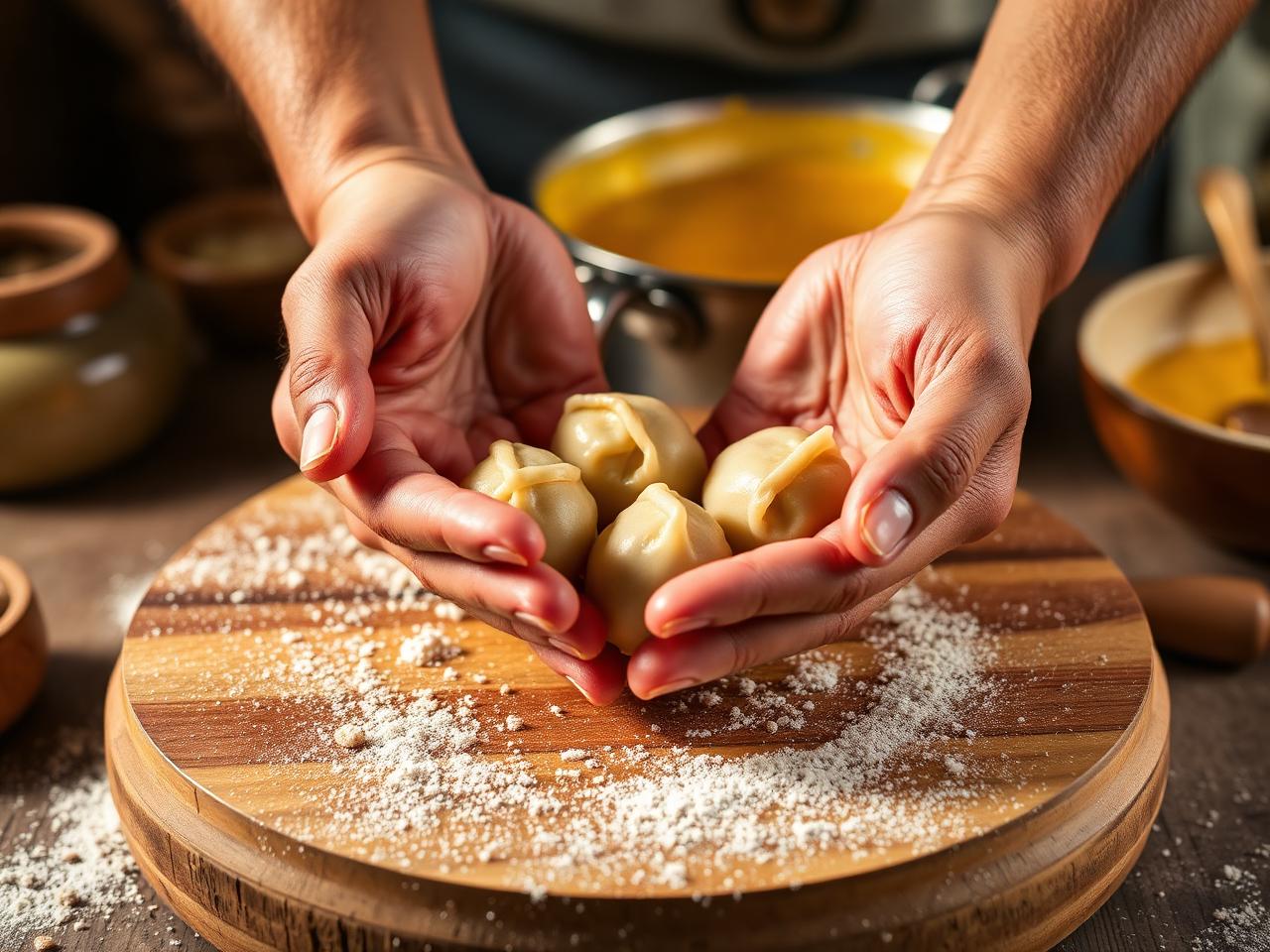
- Shape the gondi: with wet or lightly oiled hands, roll the mixture into balls about the size of a small plum. Wet hands keep the mixture from sticking and give a smooth surface.
- Poach gently: lower the dumplings into the simmering broth, cover, and poach on low heat for 45 minutes to an hour. Do not boil hard — a gentle simmer lets the gondi swell and cook through without falling apart.
- Serve: ladle the gondi into bowls with plenty of broth, and serve alongside fluffy basmati rice, fresh herbs, and warm flatbread.
Expert Tips
A few small habits separate a good pot of gondi from an unforgettable one. These are the details experienced Persian Jewish cooks rely on.
- Keep the mixture moist: dry gondi turns dense and heavy. The base should feel soft and slightly tacky, so add broth or oil until it does.
- Do not overwork the meat: mix just until combined. Overmixing makes the dumplings tough rather than tender.
- Chill before shaping: even 30 minutes of chilling makes the mixture easier to roll and yields lighter dumplings.
- Poach, never boil: a hard boil breaks the dumplings apart and toughens them. A gentle, covered simmer is the secret to tender gondi.
- Taste your broth: because gondi sits in its broth, a bland liquid makes a bland dish. Season the broth well and brighten it with saffron if you like.
Common Mistakes to Avoid
Gondi is forgiving, but a handful of missteps can leave it dense, dry, or bland. Watch for these and your dumplings will come out light and flavorful.
- Too much chickpea flour: an excess makes gondi heavy and pasty. Add flour gradually until the mixture just holds together.
- Skipping the chill: shaping a warm, soft mixture is messy and yields denser dumplings. Always refrigerate first.
- Boiling too hard: a rolling boil tears the dumplings apart. Keep the broth at a gentle simmer throughout.
- Under-seasoning: gondi and its broth both need assertive seasoning. Be generous with cardamom, turmeric, and salt.
- Rushing the poach: undercooked gondi is gummy in the center. Give the dumplings the full 45 to 60 minutes to cook through.
Frequently Asked Questions
A few questions come up again and again when people first make gondi. Here are clear answers to the most common ones.
Key Takeaways
Gondi shows how a simple combination of chickpea flour, chicken, and a few warm spices can become a dish rich with history and comfort. Master the moist mixture and the gentle poach, and you will have a soulful Persian Jewish soup worthy of any Shabbat table.
Conclusion
Gondi may be humble in its ingredients, but it carries the weight of one of the oldest Jewish communities in the world. Every fragrant, cardamom-scented dumpling is a link to Persian Jewish kitchens and centuries of tradition. Make a pot, ladle the golden broth over tender gondi, and serve it with rice and herbs as generations have done before you. Once you taste that warm spice and soft, savory bite, gondi will earn a lasting place at your table — and a new appreciation for the depth of Persian Jewish cooking.
Key Takeaways
- Gondi is a Persian Jewish dumpling of ground chicken and chickpea flour, poached in golden broth and served on Shabbat.
- Cardamom is the signature spice that gives gondi its unmistakable warm, floral aroma.
- Chickpea flour makes gondi naturally gluten-free and gives it a nutty, tender-yet-substantial texture.
- A moist mixture, a good chill, and a gentle poach are the keys to light, tender dumplings.
- Gondi is traditionally served with basmati rice, fresh herbs, and flatbread as part of the Shabbat meal.
Frequently Asked Questions
What is gondi made of?
Gondi is made from ground chicken (or turkey or veal) mixed with chickpea flour, grated onion, ground cardamom, turmeric, salt, and pepper. The mixture is rolled into balls and gently poached in a light, golden chicken broth.
Is gondi gluten-free?
Yes. When made with pure chickpea flour rather than wheat flour, gondi is naturally gluten-free, which is part of why it appeals to so many cooks today. Always check that your chickpea flour is certified gluten-free if you need it to be.
How is gondi different from matzo balls?
Matzo balls are fluffy, bread-like Ashkenazi dumplings made from matzo meal and eggs. Gondi is a Persian Jewish dumpling made from chickpea flour and ground meat, with a denser texture and a signature cardamom-and-turmeric flavor.
Why is my gondi dense or hard?
Dense gondi usually comes from too much chickpea flour, a mixture that was too dry, or boiling instead of gently poaching. Keep the mixture moist, chill it before shaping, and simmer the dumplings gently rather than boiling.
Can I make gondi ahead of time?
Yes. Gondi keeps well in its broth in the refrigerator for up to three days and reheats gently on the stove. You can also freeze cooked gondi in broth for up to two months; thaw and warm slowly to preserve the tender texture.
Loved this recipe?
Share it with your family, leave a comment, and explore more traditional and modern Jewish dishes on JewishCuisine.
Explore more Traditional recipes