Dabo: The Ethiopian Jewish Shabbat Bread You Should Know
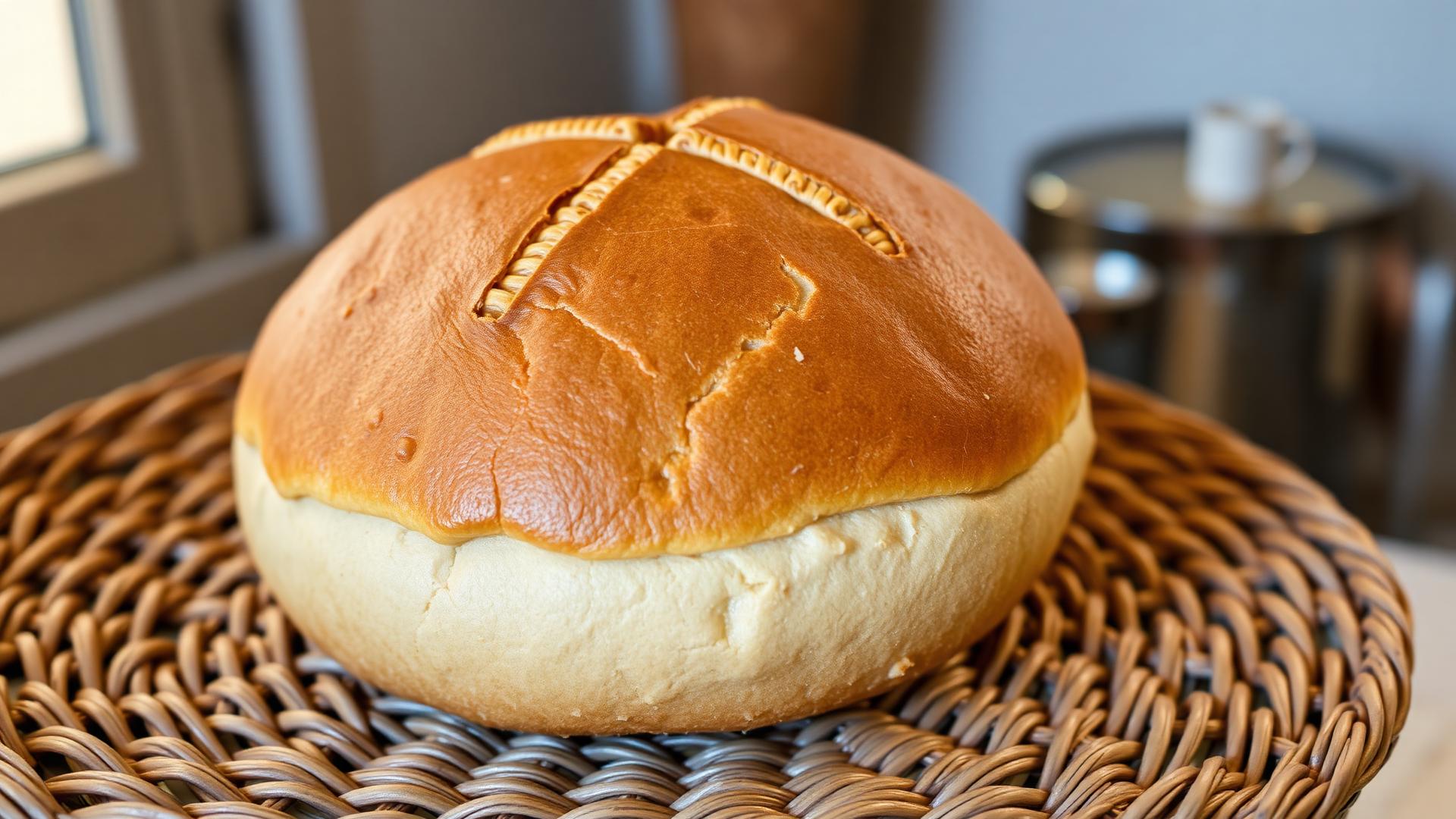
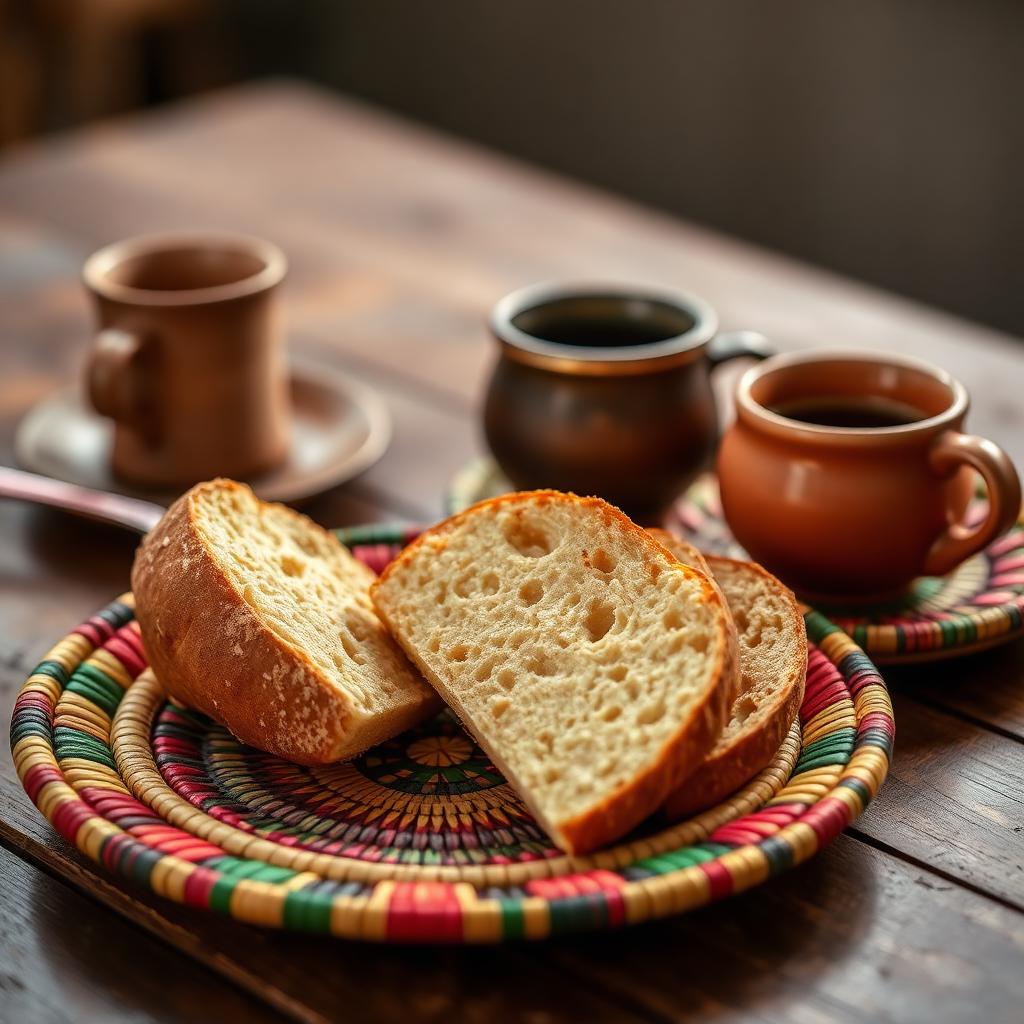
Every Jewish community has a bread that means home. For the Beta Israel — the Jews of Ethiopia — that bread is dabo. It is a large, round, faintly sweet loaf with a burnished dome and a soft, tender crumb, baked to mark Shabbat, festivals, and the arrival of guests. Slice into a fresh dabo and you catch the warm perfume of honey and gentle spice, a scent that has filled Ethiopian Jewish homes from the highlands of Gondar to apartments in Jerusalem.
Unlike the braided challah familiar to many, dabo is shaped as a single generous mound, often scored with a cross or a simple pattern before baking. It is a bread of patience and community — traditionally mixed by hand, left to rise slowly, and baked wrapped in leaves over embers or in a heavy covered pot. The reward is a loaf that is equal parts everyday sustenance and celebration.
This guide walks you through making dabo at home, honoring its roots while adapting the method for a modern oven. We will explore the remarkable history of the Beta Israel, why Ethiopian Jewish food is finding new audiences, the handful of ingredients that make dabo special, and the practical steps and tips that turn simple dough into a showpiece loaf.
Table of Contents
- What Dabo Actually Is
- Historical and Cultural Context
- Why Ethiopian Jewish Food Is Trending
- Ingredients and Key Concepts
- Step-by-Step Insights
- Expert Tips
- Common Mistakes to Avoid
- Frequently Asked Questions
- Key Takeaways
- Conclusion
What Dabo Actually Is
Dabo is the Amharic word for bread, but in practice it refers to a specific style of large, enriched, oven-baked loaf that stands apart from Ethiopia's famous injera — the spongy, sour flatbread made from teff. Where injera is thin, tangy, and fermented, dabo is thick, round, and lightly sweet, closer in spirit to a rustic celebration bread. It is the loaf brought out for Shabbat, holidays, weddings, and honored visitors.
The dough is soft and slightly rich, enriched with a little oil and sweetened with honey or sugar. Many cooks add warm spices such as cardamom, nigella (black cumin), or fenugreek, and some fold in whole wheat flour for a heartier crumb. The classic shape is a single high dome, scored on top, which bakes into a beautiful crackly crust over a moist, pillowy interior. For the Beta Israel, dabo carries the same ritual weight that challah carries in Ashkenazi homes.
Historical and Cultural Context
The Beta Israel are one of the world's most ancient and remarkable Jewish communities, having lived in the mountainous regions of northern Ethiopia for many centuries. Isolated for generations from other Jewish populations, they preserved a distinctive religious life rooted in the Torah, keeping Shabbat, dietary laws, and holidays with deep devotion. Their traditions developed largely apart from rabbinic Judaism, giving their observance — and their food — a character all its own.
Bread sat at the center of that observance. Because the community kept strict boundaries around purity and Shabbat, baking dabo for the Sabbath was a sacred, carefully timed task, completed before sundown on Friday so no work would be done on the holy day. The loaf was often blessed and shared communally, reinforcing bonds of family and faith in villages where the synagogue and the kitchen were never far apart.
Beginning in the 1980s and early 1990s, dramatic airlifts known as Operation Moses and Operation Solomon brought tens of thousands of Ethiopian Jews to Israel. They carried their recipes with them, and today dabo is baked in Israeli homes and sold in markets that celebrate Ethiopian Jewish heritage. The bread has become a symbol of a community's survival and its journey home.
For the Beta Israel, dabo is memory made edible — a Sabbath loaf that traveled from the highlands of Ethiopia to the tables of Jerusalem without losing its soul.
Why Ethiopian Jewish Food Is Trending
Jewish cuisine is far broader than the Ashkenazi classics that dominated American delis for decades. As cooks and food writers dig into the global diversity of the Jewish table, the foods of the Beta Israel are finally getting attention. Ethiopian Jewish dishes — from spiced stews to breads like dabo — offer flavors and techniques that feel both ancient and refreshingly new to many home bakers.
There is also a growing hunger for slow, meaningful baking. Dabo fits the moment perfectly: it rewards patience, fills the house with warmth, and centers a family gathering around a single shared loaf. Interest in naturally lower-sugar, whole-grain celebration breads has drawn bakers to dabo's honest, honey-kissed profile as well.
If you love discovering the full range of Jewish baking, dabo belongs on your list alongside our guide to the perfect challah bread and the airy Yemenite kubaneh bread. Bakers exploring holiday tables will also appreciate how naturally dabo pairs with dishes across the tradition, much like our reader-favorite classic cholent.
Ingredients and Key Concepts
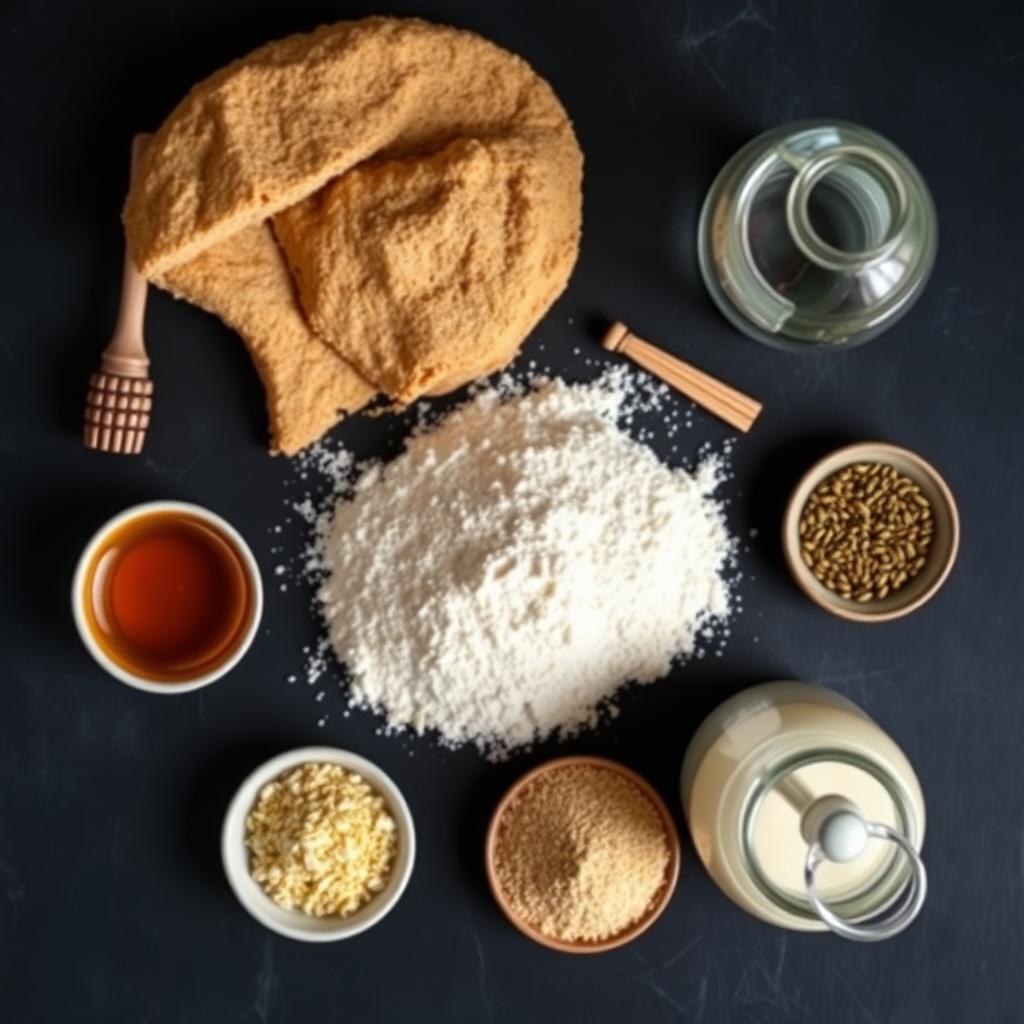
Dabo is built from humble ingredients, which means quality and technique matter most. Here is what goes into a classic loaf and why each element counts.
- Flour: A mix of all-purpose and whole wheat gives structure with a wholesome, nutty depth. All-purpose alone yields a softer, lighter dabo.
- Yeast: Active dry or instant yeast leavens the loaf. Traditional versions sometimes used a natural starter, but yeast makes home baking reliable.
- Honey or sugar: The signature gentle sweetness. Honey adds fragrance and a tender crumb; sugar is a fine substitute.
- Oil: A modest amount of neutral oil enriches the dough and keeps the crumb moist for days.
- Warm spices: Cardamom, nigella (black cumin) seeds, and sometimes ground fenugreek give dabo its distinctive aroma. Use them lightly.
- Salt and warm water: Salt balances the sweetness and strengthens the dough; warm water activates the yeast and hydrates the flour.
Step-by-Step Insights
1. Bloom the Yeast
Stir the yeast and a spoonful of the honey into warm — not hot — water and let it sit until foamy, about 5 to 10 minutes. This proves the yeast is alive and gives the dough a head start. If nothing happens, your yeast is dead or the water was too hot; begin again rather than risk a flat loaf.
2. Mix and Knead
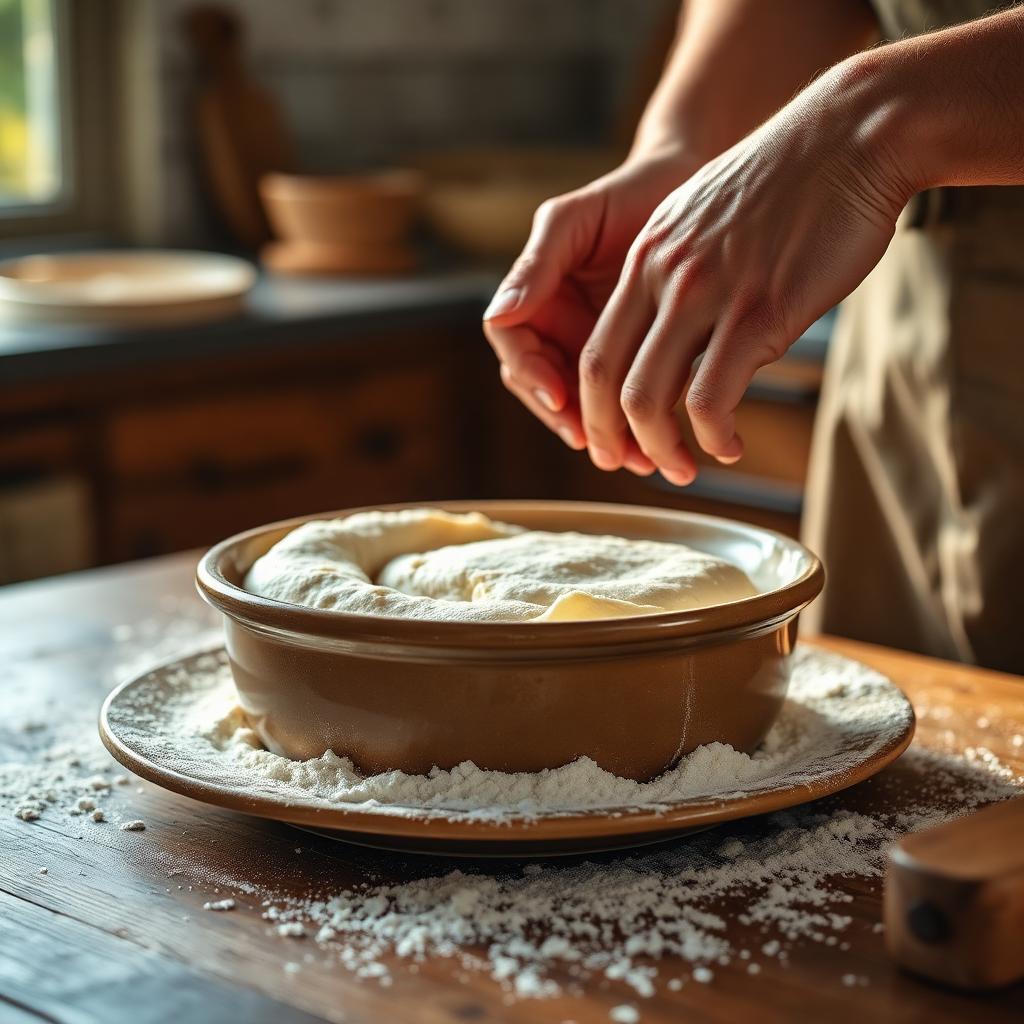
Combine the flours, salt, and spices, then add the yeast mixture, remaining honey, and oil. Bring it together into a shaggy dough, then knead on a lightly floured surface for 8 to 10 minutes until it turns smooth, soft, and elastic. Dabo dough should be supple but not sticky; add flour or water a little at a time to reach that feel.
3. First Rise
Place the dough in an oiled bowl, cover it, and let it rise in a warm spot until doubled, roughly 1 to 2 hours depending on your kitchen. A slow, full rise develops both flavor and the airy structure that makes dabo so pleasant to eat.
4. Shape and Score
Gently punch down the dough and shape it into one tall, smooth round. Set it in a greased round pan or on a lined tray, then score the top with a cross or simple pattern. The scoring is both traditional and practical — it lets the loaf expand evenly and gives dabo its iconic domed, sectioned look.
5. Second Rise and Bake
Let the shaped loaf rise again until puffy, about 45 minutes, while your oven heats. Bake in a moderate oven until deeply golden and hollow-sounding when tapped, typically 35 to 45 minutes. Traditional dabo was baked low and slow, covered, to steam the interior soft; covering the pan for the first part of baking mimics that gentle result. Cool before slicing so the crumb sets.
Expert Tips
- Toast the spices lightly: Warming nigella and cardamom for a moment before adding them deepens their fragrance and gives dabo a rounder aroma.
- Use honey for the best crumb: Honey holds moisture, so a honey-sweetened dabo stays soft longer than one made with sugar alone.
- Cover early, uncover late: Baking covered for the first 20 minutes keeps the interior tender; uncovering at the end builds that beautiful crackly crust.
- Do not rush the rises: A slow, full proof is the difference between a light, open loaf and a dense one. Give the dough the time it asks for.
- Brush with a little oil or honey water: A light glaze just after baking gives the crust a soft sheen and gentle extra sweetness.
Common Mistakes to Avoid
- Water that is too hot: Very hot liquid kills the yeast, leaving a flat, dense loaf. Aim for comfortably warm to the touch.
- Over-spicing: Cardamom, nigella, and fenugreek are assertive. A light hand keeps dabo fragrant rather than medicinal.
- Under-kneading: A dough that has not developed enough gluten will not dome or hold its airy structure. Knead until smooth and elastic.
- Slicing while hot: Cutting too soon makes the crumb gummy. Let the loaf cool so the interior finishes setting.
- Skipping the second rise: A shaped loaf that goes straight into the oven stays squat and tight instead of rising into a proud dome.
Conclusion
Baking dabo is a quiet act of connection. As the dough rises and the kitchen fills with the scent of honey and cardamom, you join a tradition carried by the Beta Israel across mountains, decades, and continents. This is a loaf that asks for a little patience and gives back warmth, beauty, and the deep satisfaction of bread made by hand.
Bake one for your next Shabbat or gathering, set it at the center of the table, and share it the way it has always been shared — torn or sliced among family and friends. In doing so, you keep a resilient and beautiful tradition alive, one fragrant, golden dome at a time.
Key Takeaways
- Dabo is the round, gently sweet, oven-baked Shabbat and celebration bread of Ethiopia's Beta Israel Jewish community.
- Unlike sour teff injera, dabo is an enriched wheat loaf sweetened with honey and scented with spices like cardamom and nigella.
- The bread is traditionally baked before sundown on Friday and shaped as a single scored dome rather than a braid.
- Ethiopian Jews carried dabo to Israel during Operation Moses and Operation Solomon, where it remains a cherished symbol of heritage.
- Made with oil and no dairy, dabo is naturally pareve and pairs with both meat and dairy meals.
Frequently Asked Questions
What is the difference between dabo and injera?
Injera is a thin, spongy, sour flatbread made from fermented teff flour and used as both plate and utensil in Ethiopian meals. Dabo is a thick, round, lightly sweet enriched loaf baked in the oven, reserved for Shabbat, holidays, and special occasions. They serve very different roles at the table.
Is dabo bread kosher?
Yes. Dabo made with oil rather than butter and no dairy ingredients is pareve, meaning it can be served with either meat or dairy meals. Use certified kosher honey and standard kosher pantry items and the loaf fits comfortably within kosher guidelines.
Can I make dabo without a special oven or fire?
Absolutely. While traditional dabo was baked over embers or in a covered clay vessel, a standard home oven works well. Baking the loaf covered for the first part of the bake and uncovering it at the end mimics the gentle, steamy result of the traditional method.
What spices are used in dabo?
The most common are cardamom and nigella (black cumin) seeds, and some cooks add a little ground fenugreek. The spices are used lightly to give dabo its signature warm fragrance without overpowering the bread's gentle sweetness.
How long does dabo stay fresh?
Because it is enriched with oil and honey, dabo stays soft for two to three days at room temperature when wrapped well. It also freezes beautifully; slice before freezing and reheat as needed for the freshest texture.
Loved this recipe?
Share it with your family, leave a comment, and explore more traditional and modern Jewish dishes on JewishCuisine.
Explore more Traditional recipes