Boyoz: The Sephardic Jewish Pastry That Built a Breakfast Culture in Izmir
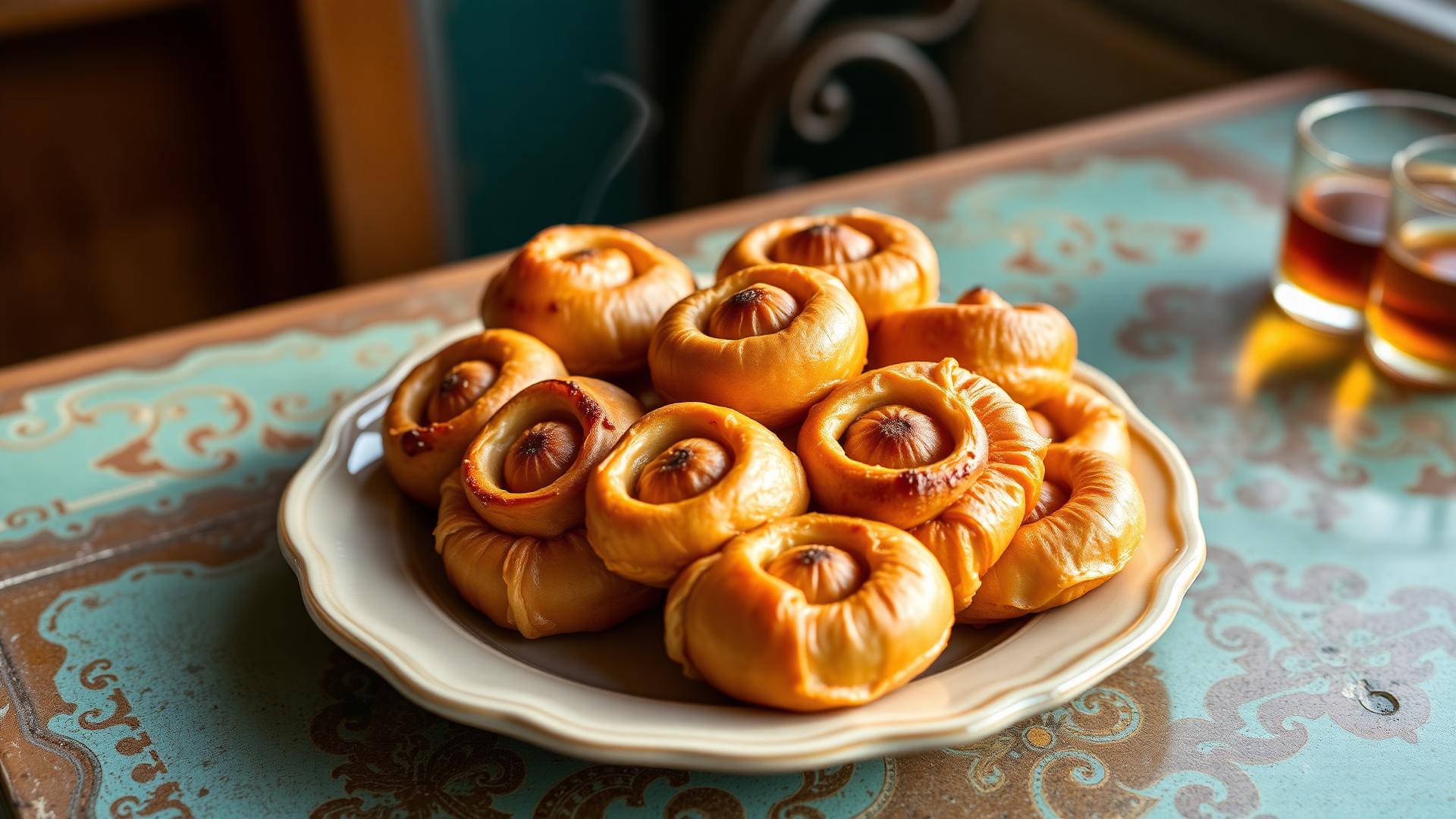
Walk through the old streets of Izmir on the Aegean coast of Turkey early in the morning and you will smell it before you see it: warm, buttery pastry pulled fresh from the oven. The locals line up for boyoz, a coiled, flaky roll served with a hard-boiled egg and a glass of black tea. Most Izmirlis eat it happily every week without knowing that this beloved breakfast is a direct inheritance from the Sephardic Jews who arrived in the city more than five centuries ago.
Boyoz is one of the great survivors of Jewish culinary history. It traveled from the Iberian Peninsula to the Ottoman Empire in the pockets of exiles, took root in a single city, and became so woven into that city's identity that today it is impossible to imagine Izmir without it. For anyone interested in how food carries memory across centuries and borders, few recipes tell the story as vividly.
This guide covers boyoz from every angle: what it actually is, the remarkable history behind it, why it is finding new fans today, the ingredients that define it, and a clear step-by-step method — plus the expert tips and common mistakes that separate a floppy roll from a genuinely flaky, layered pastry.
Table of Contents
- What Boyoz Actually Is
- Historical and Cultural Context
- Why Boyoz Is Trending
- Ingredients and Key Concepts
- Step-by-Step Insights
- Expert Tips
- Common Mistakes to Avoid
- Frequently Asked Questions
- Key Takeaways
- Conclusion
What Boyoz Actually Is
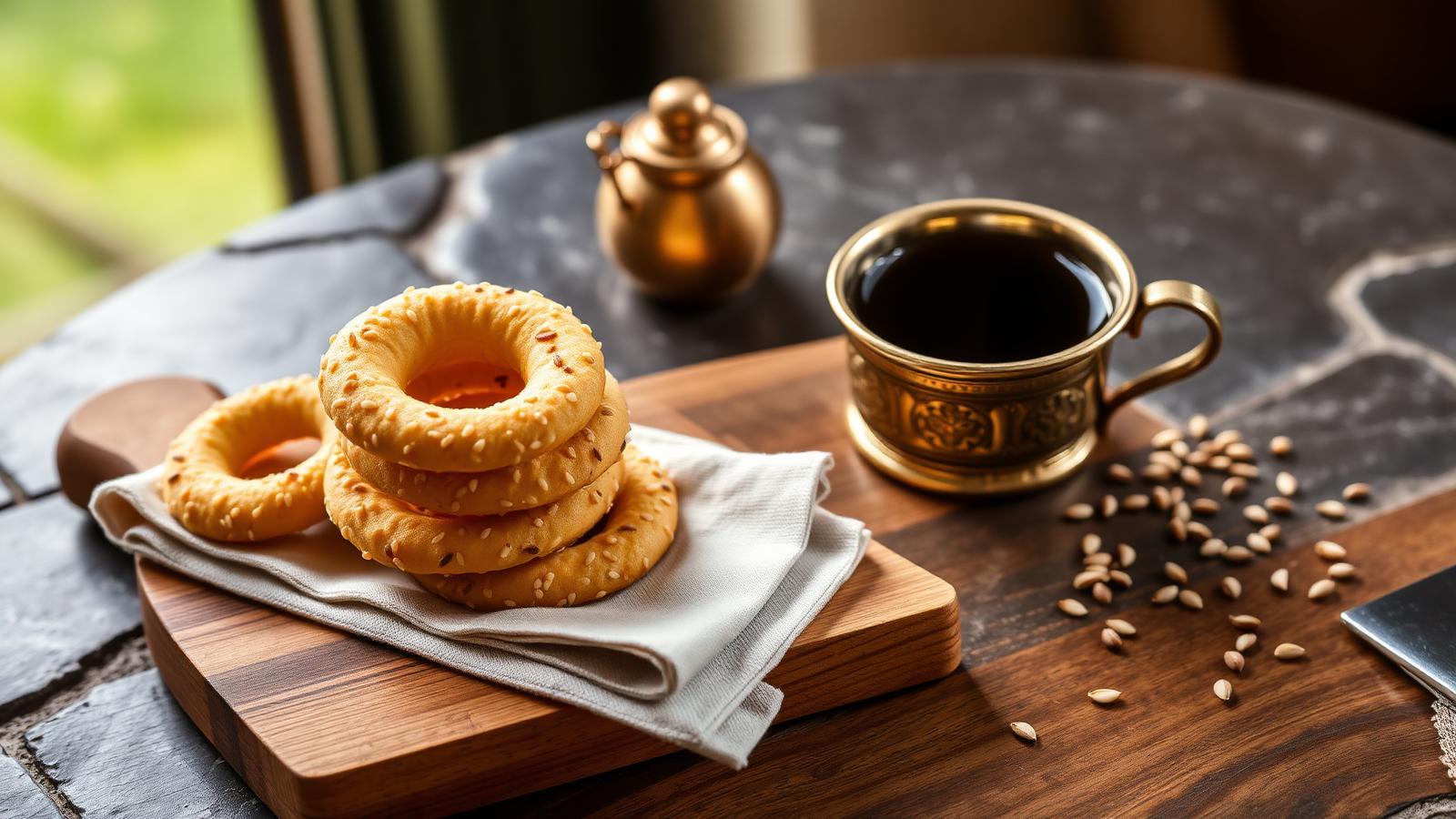
Boyoz (pronounced boy-OZ) is a small, roughly palm-sized pastry made from a soft dough enriched with oil and stretched paper-thin, then coiled onto itself so it bakes into distinct flaky layers. Unlike butter-laminated croissants, traditional boyoz relies on oil and a little tahini to create its leaves, which is exactly what makes it suitable for a kosher table alongside any meal. The finished roll is golden, slightly crisp on the outside, and tender within.
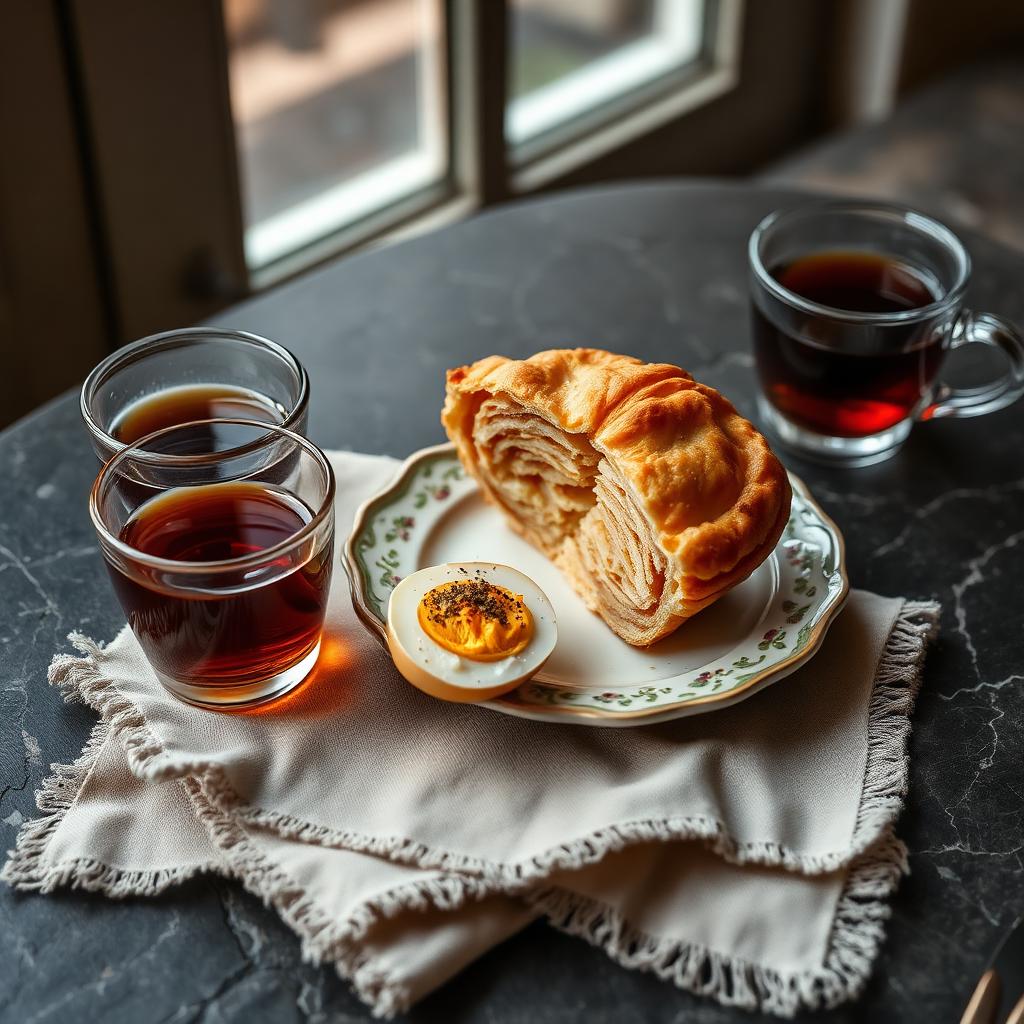
The classic version is plain, letting the layered dough shine, but bakeries also make boyoz filled with spinach, cheese, or a spiced potato mash. It is almost never eaten alone: the traditional pairing is a hard-boiled or baked egg sprinkled with cumin, and a tulip-shaped glass of strong Turkish tea. Together they form one of the most recognizable breakfasts in the eastern Mediterranean.
Historical and Cultural Context
The story of boyoz begins in 1492, when the Catholic monarchs of Spain expelled the country's Jews. Tens of thousands of Sephardic Jews found refuge in the Ottoman Empire, where Sultan Bayezid II welcomed them. Many settled in Izmir — then known as Smyrna — which grew into one of the most important Sephardic communities in the world, with its own Ladino language, synagogues, and a rich culinary repertoire brought from the Iberian Peninsula.
The name boyoz is widely traced to the Spanish word bollos, meaning small bread rolls. The pastry is thought to descend from the enriched, oil-based doughs Sephardic cooks made in Spain, adapted over generations to local Ottoman ingredients and tastes. Because it was made with oil rather than butter or lard, boyoz fit neatly within Jewish dietary law, and it became a fixture of Shabbat and everyday tables in the Jewish quarters of Izmir.
Over the centuries, the pastry crossed from the Jewish community into the wider life of the city. Izmir's non-Jewish residents adopted boyoz with such enthusiasm that today it is considered a hallmark of the city as a whole, sold at dedicated boyoz shops and street stalls across town. Yet its origin remains proudly remembered: boyoz is one of the clearest surviving traces of Sephardic Jewish life in Turkey, a dish that outlasted empires and remained on the plate.
Boyoz is what 1492 tastes like five centuries later — a flaky reminder that exile could scatter a people but never erase their kitchen.
Why Boyoz Is Trending
Interest in Sephardic and Mizrahi Jewish cooking has surged in recent years as home cooks look beyond the familiar Ashkenazi canon of bagels and brisket. Boyoz sits at the center of this revival: it is historically rich, visually striking, and unlike almost anything on the average brunch menu, which makes it catnip for food writers and social media bakers alike.
The pastry also benefits from a broader fascination with laminated and layered doughs. Home bakers who mastered sourdough and then croissants are hungry for the next challenge, and boyoz offers a fresh, oil-based technique with deep roots. Because it uses no butter, it appeals to those seeking pareve or dairy-free baking, and the fillings can easily be made vegan.
Finally, there is the growing movement to preserve endangered food heritage. As the Jewish community of Izmir has dwindled, cookbook authors, food historians, and descendants of the community have worked to document recipes like boyoz before they slip away. Every home cook who bakes a tray of boyoz becomes part of keeping a five-hundred-year-old tradition alive — a story that resonates far beyond Turkey.
Ingredients and Key Concepts
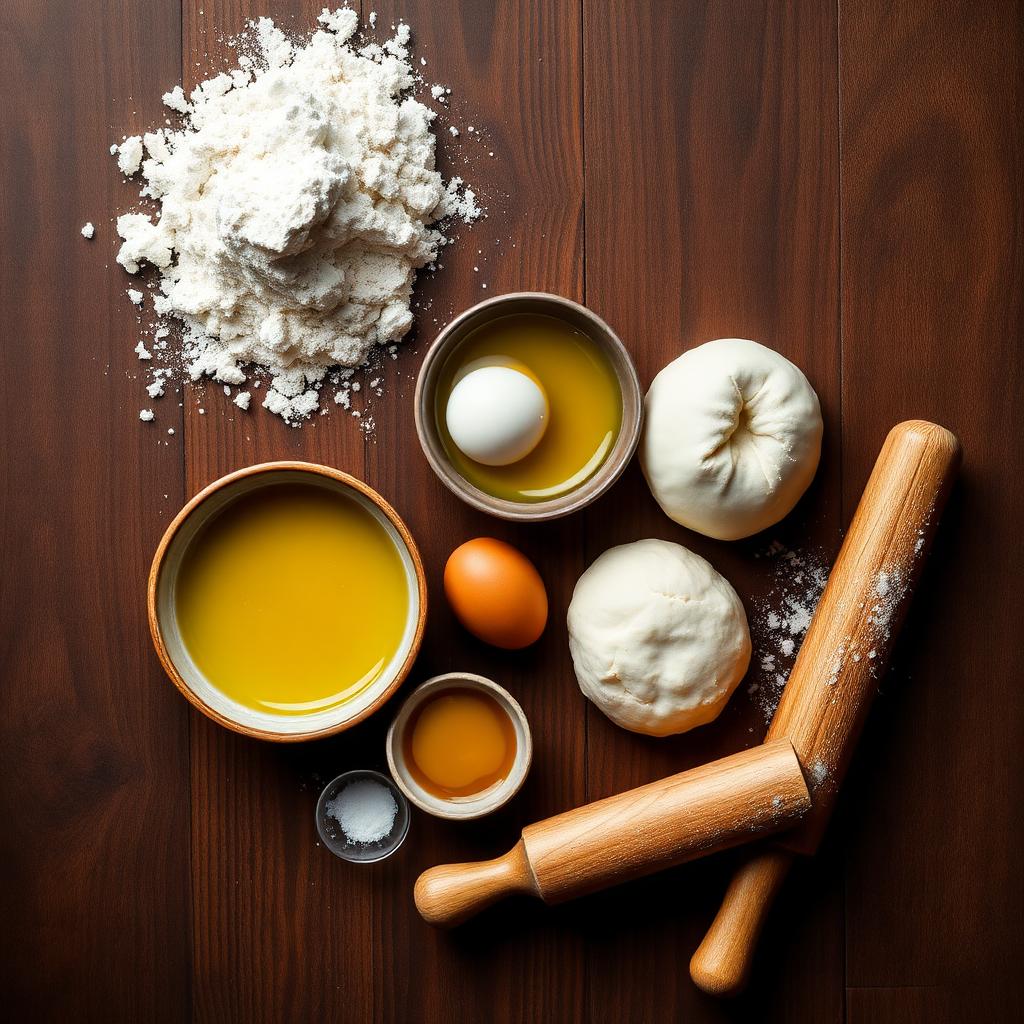
Boyoz has few ingredients, which means technique matters more than shopping. The goal is a soft, elastic dough that can be stretched almost transparent, layered with oil, and coiled so it bakes into flaky leaves. Here is what you need and why.
For the Dough
- All-purpose flour: The backbone of the dough; a small amount of bread flour can add extra stretch.
- Sunflower or neutral oil: Used both in the dough and for coating during stretching to build the layers.
- Tahini: A traditional touch brushed onto the stretched dough that adds nuttiness and helps separate the leaves.
- Warm water and a little vinegar or lemon: Vinegar relaxes the gluten so the dough stretches without tearing.
- Salt: For flavor and to strengthen the dough structure.
For Finishing
- Egg yolk: Brushed on top for the signature glossy, golden crust.
- Optional fillings: Sauteed spinach, crumbled white cheese, or spiced mashed potato for stuffed versions.
The Key Concept: Stretch and Rest
The single most important idea in boyoz is that the dough must relax before it can stretch. A well-rested, oiled dough becomes remarkably extensible, letting you pull it thin enough to see your hand through it. That thinness, combined with the oil and tahini, is what creates the flaky layers once the sheet is coiled and baked. Rushing the rest is the fastest way to a dense, bready result.
Step-by-Step Insights
Making boyoz at home takes patience but no special equipment beyond a large clean surface. Here is the process broken into clear stages.
- Make the dough: Combine flour, salt, a splash of oil, a little vinegar, and warm water. Knead until smooth and elastic, about 10 minutes, then divide into small balls.
- Oil and rest: Coat each ball generously in oil, cover, and let rest at room temperature for at least a few hours or overnight. This long rest is what makes the dough stretchable.
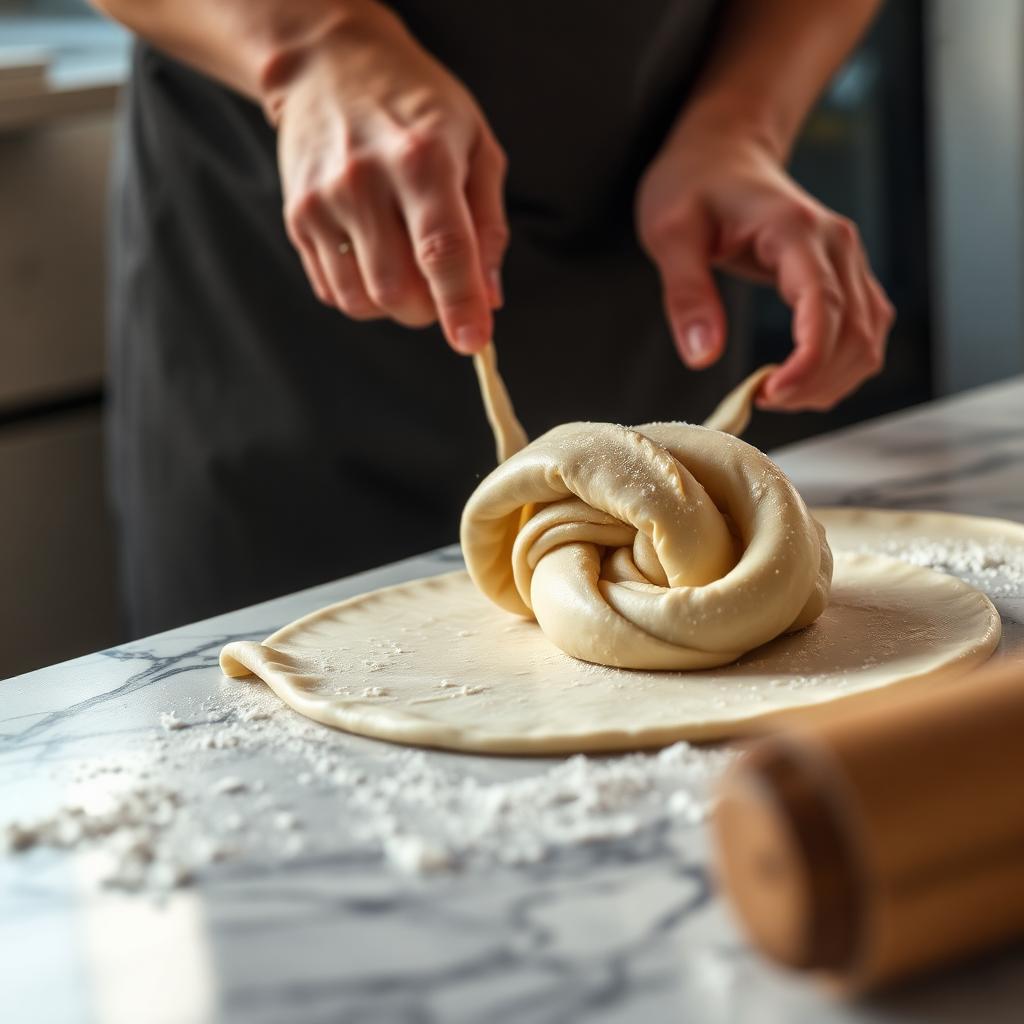
- Stretch thin: On a lightly oiled surface, gently press and pull each ball outward until you have a paper-thin sheet. Take your time and let gravity help; the dough should become nearly translucent.
- Brush and layer: Lightly brush the sheet with a mix of oil and tahini. This seasons the dough and keeps the layers distinct.
- Coil the pastry: Roll the sheet into a long rope, then wind the rope into a tight spiral, tucking the end underneath. The coil is what gives boyoz its layered structure.
- Second rest: Place the coiled pieces on a lined tray, cover, and rest briefly so they relax before baking.
- Glaze and bake: Flatten each coil slightly, brush the tops with egg yolk, and bake in a hot oven until deeply golden and crisp, about 25 to 30 minutes.
- Serve warm: Enjoy fresh from the oven with a hard-boiled egg dusted with cumin and a glass of strong tea.
Expert Tips
- Rest is non-negotiable: An overnight rest for the oiled dough produces the most extensible, easiest-to-stretch result.
- Use plenty of oil: Do not be shy when coating and stretching; the oil is what creates the flaky separation between layers.
- Stretch on a smooth surface: A clean, lightly oiled countertop lets the dough glide as you pull it thin without tearing.
- Add tahini for authenticity: Even a thin brushing gives boyoz its traditional nutty depth and better layering.
- Bake hot: A high oven temperature sets the layers quickly and delivers the crisp, glossy crust boyoz is known for.
- Eat them fresh: Boyoz is at its best within a few hours of baking; reheat leftovers briefly to revive the crispness.
Common Mistakes to Avoid
- Skipping the long rest: Under-rested dough resists stretching and bakes up dense instead of flaky.
- Rolling too thick: If the dough sheet is not thin enough, the layers fuse and you lose the signature texture.
- Too little oil: A dry stretch leads to tearing and flat, bready pastries with no separation.
- Coiling loosely: A loose spiral unwinds in the oven; wind it snugly and tuck the end underneath.
- Oven not hot enough: A cool oven softens the pastry before the layers can crisp, giving a pale, chewy result.
- Overfilling: For stuffed boyoz, a modest amount of filling keeps the coil intact and the pastry from bursting.
Conclusion
Boyoz is more than a breakfast pastry — it is a piece of living history you can hold in your hand. Every flaky layer traces back to the Sephardic Jews who carried their recipes out of Spain in 1492 and rebuilt their world on the shores of the Aegean. That a humble coil of oiled dough could survive expulsion, empire, and the passage of five centuries to remain a beloved staple is a small miracle of culinary memory.
Baking boyoz at home takes patience, but the reward is immense: a warm, golden, genuinely flaky pastry and a direct connection to one of the most resilient communities in Jewish history. Serve them the traditional way, with a cumin-dusted egg and a glass of tea, and you will taste why Izmir has refused to let this recipe fade. Bake a batch, share the story, and keep the tradition alive.
Key Takeaways
- Boyoz is a flaky, oil-based coiled pastry brought to Izmir by Sephardic Jews after the 1492 expulsion from Spain.
- Its name likely derives from the Spanish bollos, and it fit Jewish dietary law because it uses oil, not butter or lard.
- The secret to authentic boyoz is a long-rested, heavily oiled dough stretched paper-thin, brushed with tahini, and coiled.
- It is traditionally served warm with a cumin-dusted hard-boiled egg and a glass of strong Turkish tea.
- Boyoz is one of the clearest surviving traces of Sephardic Jewish life in Turkey and a symbol of culinary resilience.
Frequently Asked Questions
What does boyoz taste like?
Boyoz is mildly savory with a rich, slightly nutty flavor from the oil and tahini. The texture is the star: crisp and golden outside with tender, flaky layers inside, similar to a plainer, oil-based cousin of a croissant.
Is boyoz kosher?
Traditional plain boyoz is pareve because it is made with oil rather than butter or lard, so it suits any kosher meal. Cheese-filled versions are dairy, while spinach or potato fillings keep it pareve.
Why is boyoz associated with Izmir?
Sephardic Jews who settled in Izmir after 1492 made boyoz part of their table, and over the centuries the whole city embraced it. Today it is considered a signature food of Izmir, still sold at dedicated boyoz shops.
Can I make boyoz without tahini?
Yes. Tahini adds traditional nuttiness and helps separate the layers, but you can make boyoz with just oil for the stretching and brushing. The result will be a touch less rich but still flaky.
How do I keep boyoz flaky the next day?
Store cooled boyoz in an airtight container and reheat in a hot oven for a few minutes before serving. This revives the crisp crust and flaky layers far better than a microwave, which makes them soft.
Loved this recipe?
Share it with your family, leave a comment, and explore more traditional and modern Jewish dishes on JewishCuisine.
Explore more Desserts recipes