Sfenj: The Moroccan Jewish Doughnut That Rings in Hanukkah
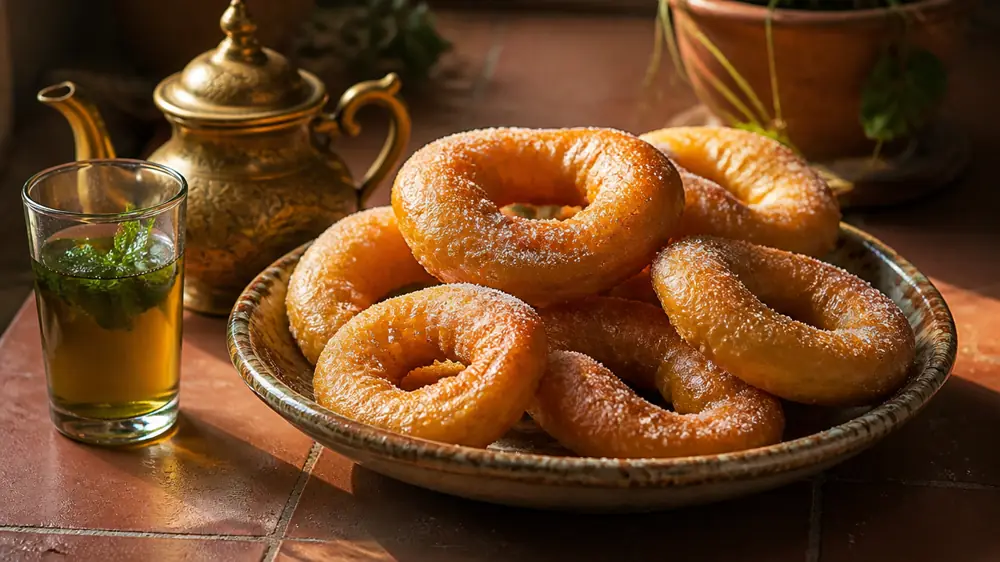
There is a particular sound that means the holidays have arrived in a Moroccan Jewish kitchen: the hiss and crackle of wet dough hitting hot oil, followed minutes later by the pull of a warm, golden ring being torn apart at the table. That ring is sfenj — a light, chewy, hole-in-the-middle doughnut that has been fried in North African homes for centuries. It is humble to the point of stubbornness: no eggs, no butter, no sugar in the dough, just flour, yeast, water, and salt worked into a sticky batter and stretched by hand.
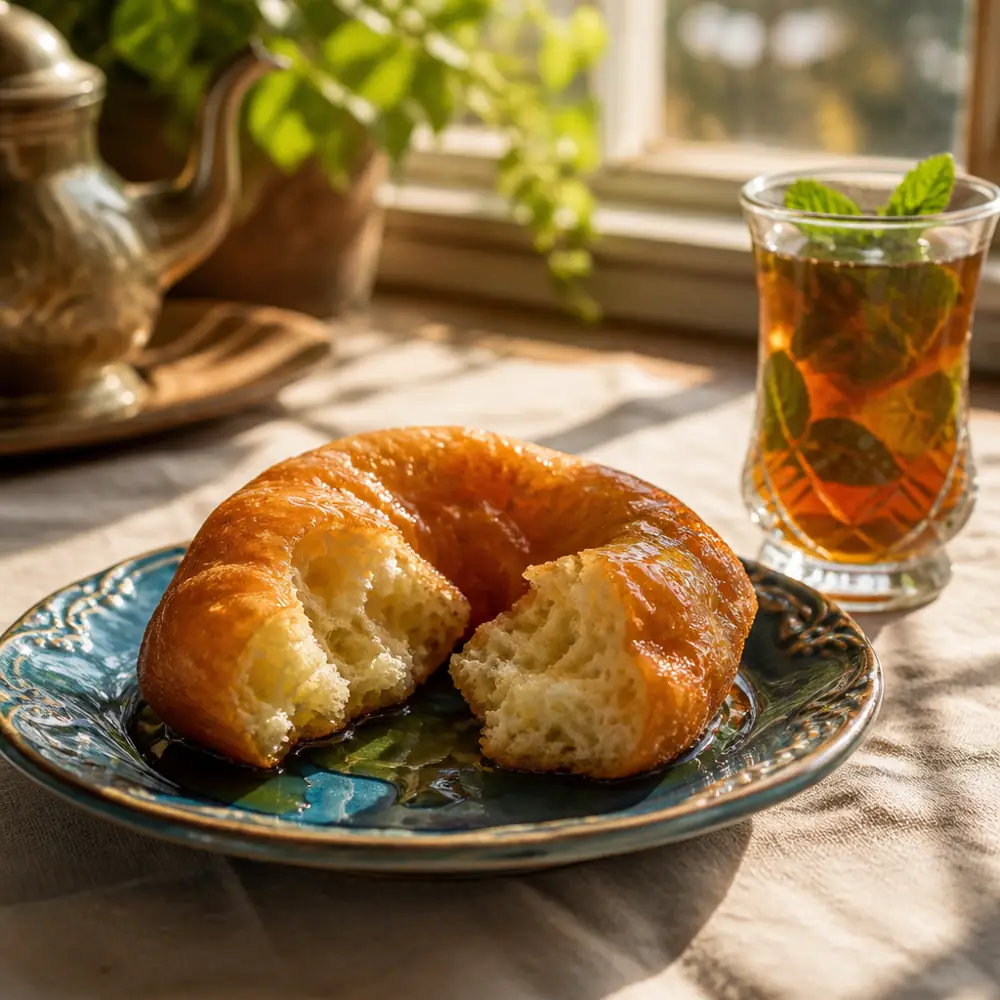
What sfenj lacks in fancy ingredients it makes up for in texture and ritual. The exterior fries up crisp and lacquered, while the inside stays open, springy, and faintly tangy from a slow yeast rise. You eat it the moment it is cool enough to hold, dredged in granulated sugar, drizzled with honey, or simply plain with a glass of sweet mint tea. During Hanukkah, when Jews around the world eat foods fried in oil to recall the miracle of the Temple lamp, sfenj takes its place beside the Israeli sufganiyah and the Ashkenazi latke as the Sephardic doughnut of the season.
In this guide we will trace where sfenj comes from, why this once-local street food is winning fans well beyond Morocco, exactly what goes into an authentic batch, and how to make sfenj at home without special equipment. We will focus on the details that trip people up — the wet dough, the long rise, and the hand-shaping over hot oil — so your first ring comes out light and golden.
Table of Contents
- What Sfenj Actually Is
- Historical and Cultural Context
- Why Sfenj Is Trending Right Now
- Ingredients and Key Concepts
- Step-by-Step Insights
- Expert Tips
- Common Mistakes to Avoid
- Frequently Asked Questions
- Key Takeaways
- Conclusion
What Sfenj Actually Is
Sfenj (also spelled sfinj, and known as sfenz in some communities) is a North African yeast-raised doughnut. The name comes from the Arabic word for sponge, which is exactly what the interior resembles — an airy, open, slightly stretchy crumb wrapped in a crisp fried shell. Unlike an American cake doughnut, sfenj is leavened only with yeast, and unlike a jelly doughnut, it is shaped into an open ring rather than a filled ball.
The dough is deliberately wet and slack, closer to a thick batter than a kneadable ball. Cooks wet their hands, pinch off a piece, poke a hole through the center with a thumb, and gently stretch it into a ring before lowering it into shimmering oil. Because there is no sugar in the dough, sfenj is not cloyingly sweet on its own; the sweetness comes afterward from a dusting of sugar, a soak of honey, or a dip in the tea glass.
- A yeast-raised North African doughnut with an airy, spongy interior.
- Made from a wet, slack dough of just flour, yeast, water, and salt.
- Shaped by hand into an open ring, not filled like a sufganiyah.
- Served warm with granulated sugar, honey, or plain alongside mint tea.
Historical and Cultural Context
Sfenj is deeply woven into the daily and festive life of the Maghreb — Morocco, Algeria, and Tunisia — where it has long been sold at dawn from tiny storefronts and street stalls. In many Moroccan cities, a sfenj vendor would fry the rings to order and thread them onto a loop of palm frond or string so customers could carry a warm bundle home for breakfast. It was, and remains, an affordable, communal food that cuts across communities.
For Moroccan Jews, sfenj carried special weight around Hanukkah. The festival's tradition of eating foods fried in oil — a nod to the small cruse of oil that miraculously burned for eight days — made a yeast doughnut fried in a deep pot the natural holiday treat. Where Ashkenazi families flipped potato latkes and Israelis reached for jam-filled sufganiyot, Sephardic and Mizrahi households across North Africa fried sfenj by the dozen.
When large numbers of Moroccan Jews immigrated to Israel, France, and beyond in the mid-twentieth century, sfenj traveled with them. In Israel it became a beloved winter street food, and in Sephardic communities worldwide it remains a link to grandparents and to the old country. Every family keeps its own rhythm — some fry sfenj on ordinary Friday mornings, others save it for Hanukkah and special occasions — but the gesture of frying, tearing, and sharing is constant.
A ring of sfenj, still too hot to hold, torn and passed around the table — that is the taste of a Moroccan Jewish holiday morning.
Why Sfenj Is Trending Right Now
For years the doughnut conversation at Hanukkah was dominated by the sufganiyah, the plump, jelly-filled Israeli doughnut that fills bakery windows every December. But as cooks and food writers dig deeper into Sephardic and Mizrahi traditions, sfenj is finally getting its moment as the lighter, less sugary, more ancient alternative — a doughnut with real history behind it.
There is also a broader appetite for simple, minimally sweet baked goods made from a handful of pantry staples. Sfenj fits perfectly: four cheap ingredients, no special pans, and a result that feels both rustic and impressive. Home cooks who love the theater of frying — and the immediate reward of eating the results warm — have embraced it on social feeds and in modern Jewish cookbooks.
Finally, the wider project of preserving North African Jewish food heritage has pushed sfenj into the spotlight. As families record recipes that once lived only in memory, this stretch-and-fry doughnut has become a symbol of continuity — a food you can make with your children the same way it was made generations ago, no equipment or professional skill required.
Ingredients and Key Concepts
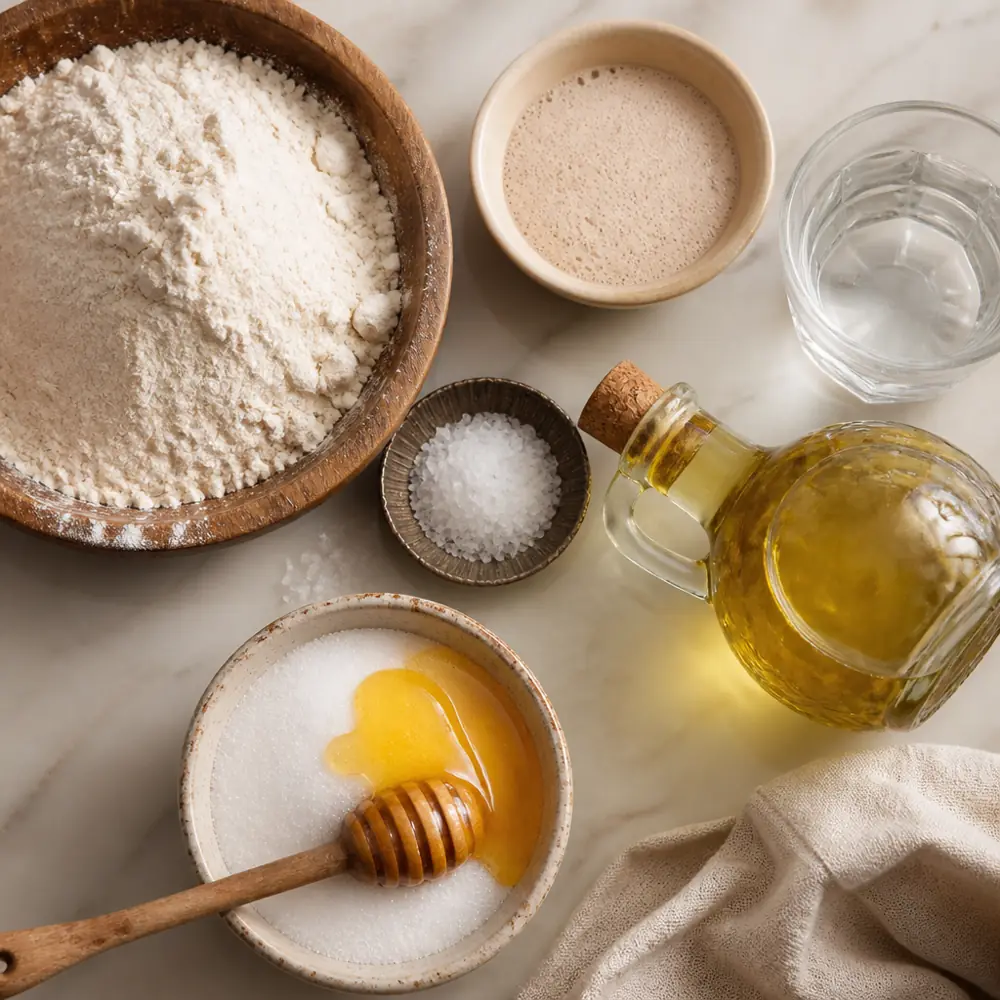
The beauty of sfenj is its short ingredient list. Success comes not from what you add but from how you handle a very wet dough and how you manage the frying oil. Here is what you need and why each element matters.
- Flour: all-purpose flour is standard; bread flour gives a slightly chewier pull. The dough should be soft and sticky, not stiff.
- Yeast: active dry, instant, or fresh yeast provides the rise and the signature tangy, spongy crumb. Give it time to work.
- Water: warm water hydrates the dough fully. Sfenj dough is high-hydration, which is what makes the interior open and airy.
- Salt: a modest amount for flavor and to keep the yeast in check. Sfenj dough has no sugar, so salt matters.
- Frying oil: a neutral oil with a high smoke point, such as sunflower, canola, or vegetable oil, filled deep enough for the rings to float.
- For serving: granulated sugar, honey, or a honey-water syrup — added after frying, never in the dough.
Step-by-Step Insights
Sfenj rewards patience with the rise and confidence at the fryer. Here is the arc of making a batch from scratch.
- Activate the yeast: Dissolve the yeast in a little warm water with a pinch of flour and let it foam, so you know it is alive.
- Mix the dough: Combine flour and salt, then add the yeast mixture and enough warm water to make a very soft, sticky, batter-like dough. Beat or stretch it with a wet hand rather than kneading it dry.
- First rise: Cover and let the dough rise in a warm spot until doubled, bubbly, and stretchy, usually one to two hours. A slow rise builds flavor and the open crumb.
- Heat the oil: Pour oil into a deep pot and heat to a medium-high frying temperature, deep enough that the rings can float and turn freely.
- Shape the rings: Wet your hands, pinch off a piece of dough, poke a hole through the center with your thumb, and gently stretch it into a ring before lowering it into the oil.
- Fry and finish: Fry, turning once, until deep golden and puffed on both sides. Drain briefly, then toss in sugar, drizzle with honey, or serve plain while warm.
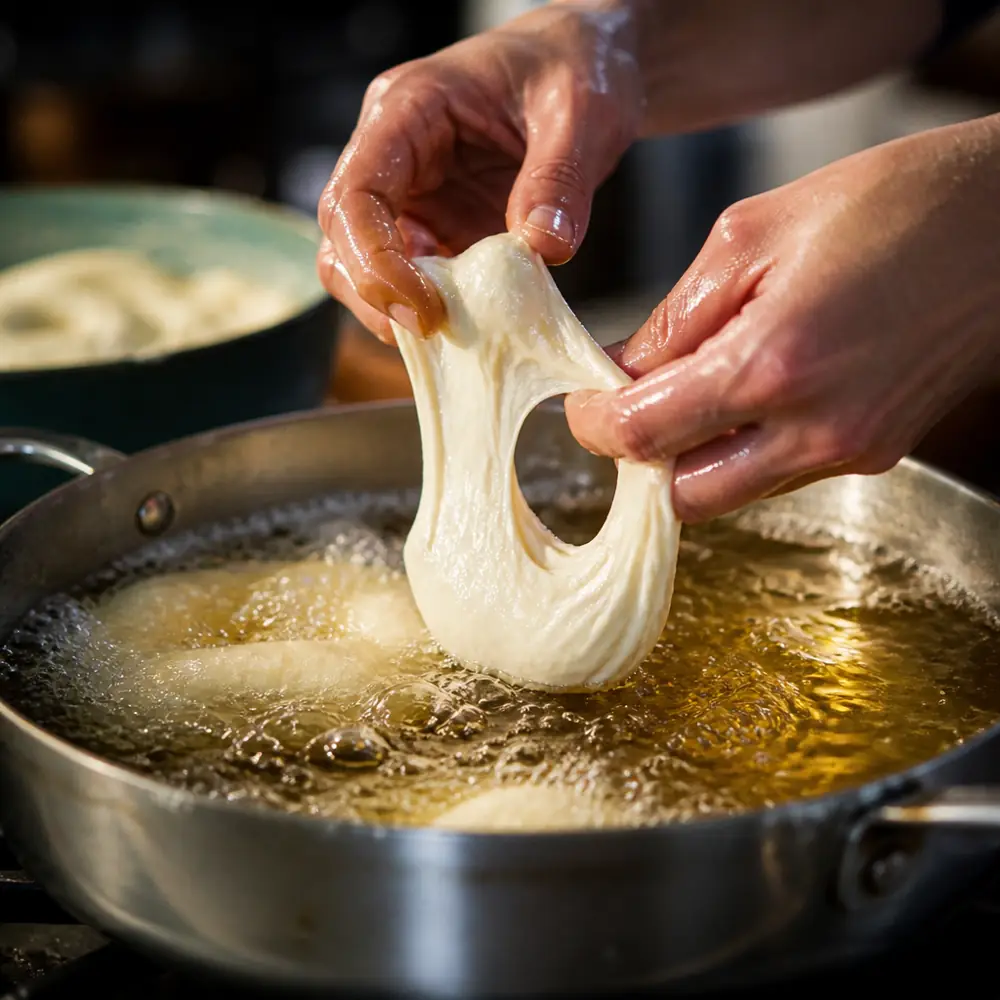
The make-or-break moment is handling the wet dough. Because sfenj batter is deliberately slack, cooks keep a bowl of water or a little oil nearby and wet their hands constantly so the dough does not stick. Do not try to make it firmer by adding flour — the high hydration is precisely what gives sfenj its light, spongy interior. Work quickly, shape over the pot, and let the oil do the rest.
Expert Tips
- Keep the dough wet: Resist the urge to add flour. A sticky, high-hydration dough is what makes the crumb airy and chewy.
- Wet your hands: Dip your fingers in water or oil before shaping each ring so the dough releases cleanly.
- Mind the oil temperature: Too cool and the sfenj drink oil and turn greasy; too hot and they brown before the inside cooks. Aim for a steady medium-high.
- Fry in small batches: Crowding the pot drops the temperature and steams the rings instead of crisping them.
- Serve immediately: Sfenj is at its best minutes out of the oil. It is a fry-and-eat food, not a make-ahead one.
- Choose your topping last: Toss in sugar, dip in honey, or leave plain — decide as you serve so the exterior stays crisp.
Common Mistakes to Avoid
Sfenj is forgiving once you accept how wet the dough is, but a few missteps lead to greasy or dense rings. Watch for these.
- Adding too much flour: The most common error. A stiff dough gives you a bready, heavy doughnut instead of an airy, spongy one.
- Rushing the rise: Under-proofed dough fries up dense and flat. Let it become bubbly and stretchy before shaping.
- Oil that is too cool: Cool oil soaks in and leaves the sfenj greasy and pale. Check the temperature before every batch.
- Overcrowding the pot: Too many rings at once cools the oil and steams the dough. Fry just a few at a time.
- Dry hands: Shaping with dry hands makes the sticky dough tear and stick. Keep water or oil close and re-wet often.
- Topping too early: Sugaring or soaking long before serving softens the crisp shell. Finish each batch just before it hits the table.
Conclusion
Sfenj is a reminder that the most memorable foods are often the simplest. Four everyday ingredients, a patient rise, and a pot of hot oil turn into golden, chewy rings that taste like a Moroccan Jewish holiday morning. There is no filling to pipe and no dough to fuss over — only the pleasure of stretching, frying, and sharing something warm.
Fry a batch this Hanukkah, or any winter weekend, and serve it the traditional way — torn warm, dusted with sugar or drizzled with honey, with sweet mint tea alongside. Once you have made your own sfenj, you will understand why this unassuming doughnut has held its place on the Sephardic table for centuries, and why more cooks are discovering it every year.
Key Takeaways
- Sfenj is a Moroccan Jewish yeast doughnut made from just flour, yeast, water, and salt.
- It is shaped by hand into an airy, spongy ring and fried, then sweetened afterward with sugar or honey.
- As an oil-fried food, it is a traditional Sephardic Hanukkah treat alongside sufganiyot and latkes.
- The dough is deliberately wet — keep your hands damp and resist adding flour.
- Sfenj is best eaten warm, minutes out of the oil, with sweet mint tea.
Frequently Asked Questions
What is sfenj?
Sfenj is a North African, and especially Moroccan Jewish, yeast-raised doughnut. It is made from a wet dough of flour, yeast, water, and salt, shaped into an open ring, and fried until golden with an airy, spongy interior. It is served warm with sugar, honey, or plain.
How is sfenj different from a sufganiyah?
Sfenj is a lean, sugar-free, yeast-raised ring with a light, chewy crumb, eaten plain or with sugar or honey. A sufganiyah is a richer, enriched dough shaped into a filled ball, usually piped with jam and dusted with powdered sugar. Both are traditional Hanukkah doughnuts.
Why is sfenj dough so wet and sticky?
The high hydration is intentional. A very soft, batter-like dough is what gives sfenj its open, airy, spongy interior. Adding extra flour to make it easier to handle results in a dense, bready doughnut, so cooks wet their hands instead.
Do you eat sfenj with sugar or honey?
Both are traditional. Many people toss warm sfenj in granulated sugar or drizzle it with honey, while others eat it plain and dunk it in sweet mint tea. There is no sugar in the dough itself, so the topping provides the sweetness.
Can you make sfenj ahead of time?
Sfenj is best eaten within minutes of frying, when the shell is crisp and the inside is warm and springy. It does not keep well, so fry it just before serving. You can, however, let the dough rise slowly in the refrigerator and fry it fresh when you are ready.
Loved this recipe?
Share it with your family, leave a comment, and explore more traditional and modern Jewish dishes on JewishCuisine.
Explore more Desserts recipes