Jachnun: The Yemenite Jewish Shabbat Pastry Worth Waking Up For
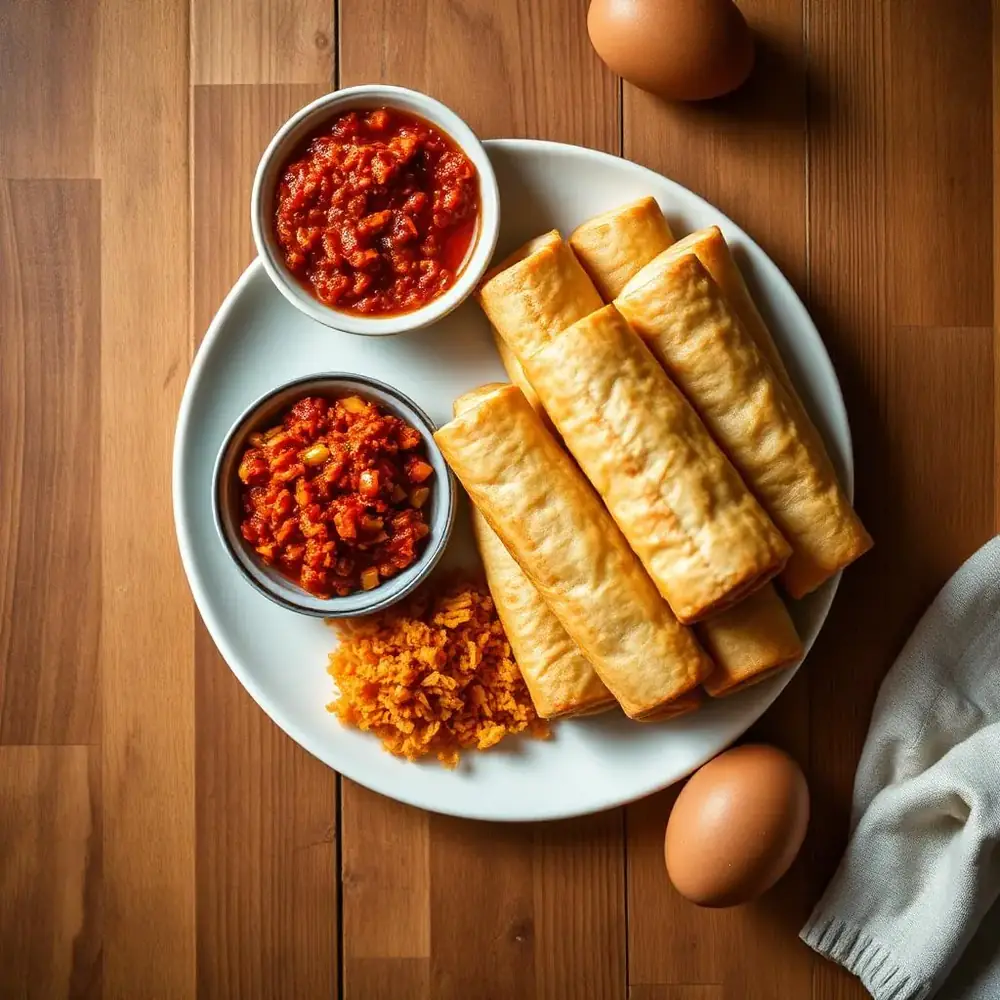
Walk through a Yemenite Jewish neighborhood in Israel on a Saturday morning and you'll catch a scent that has wafted from kitchens overnight: warm, buttery, faintly caramelized dough that has been baking low and slow since Friday afternoon. That smell is jachnun (also spelled jahnun), and for the families who grew up with it, it is the very definition of Shabbat morning comfort — a soft, layered, slow-baked rolled pastry that you tear apart with your hands and dip into bright grated tomato and fiery zhug.
Jachnun belongs to a small, brilliant family of Yemenite Jewish breads engineered around the laws of Shabbat, when cooking is forbidden but food kept warm from before sundown is welcome. The result is one of the most distinctive dishes in the entire Jewish culinary world: simple flour-and-fat dough transformed, over many patient hours, into something tender, golden, and deeply satisfying.
This guide walks you through everything — where jachnun comes from, why it's having a moment far beyond Yemenite kitchens, the short ingredient list, the all-important rolling technique, expert tips, and the mistakes that trip up first-timers. Make it once and your Saturday mornings may never be the same.
Table of Contents
- What Is Jachnun?
- A Short History of Jachnun
- Why Jachnun Is Trending
- What You'll Need: Ingredients
- Step-by-Step Instructions
- The Secret to Tender, Layered Jachnun
- How to Serve Jachnun
- Expert Tips
- Common Mistakes to Avoid
- Make-Ahead and Storage
- Frequently Asked Questions
- Key Takeaways
- Conclusion
What Is Jachnun?
Jachnun is a Yemenite Jewish pastry made from a soft, lightly sweetened dough that is rolled paper-thin, spread generously with clarified butter or margarine, then coiled into tight logs. The logs are packed snugly into a covered pot and baked at a very low temperature overnight — traditionally from before Shabbat begins on Friday until breakfast on Saturday. Hours of gentle heat turn the layered dough a deep amber, give it a faintly sweet, almost caramelized flavor, and create a texture that is at once soft, chewy, and pull-apart tender.
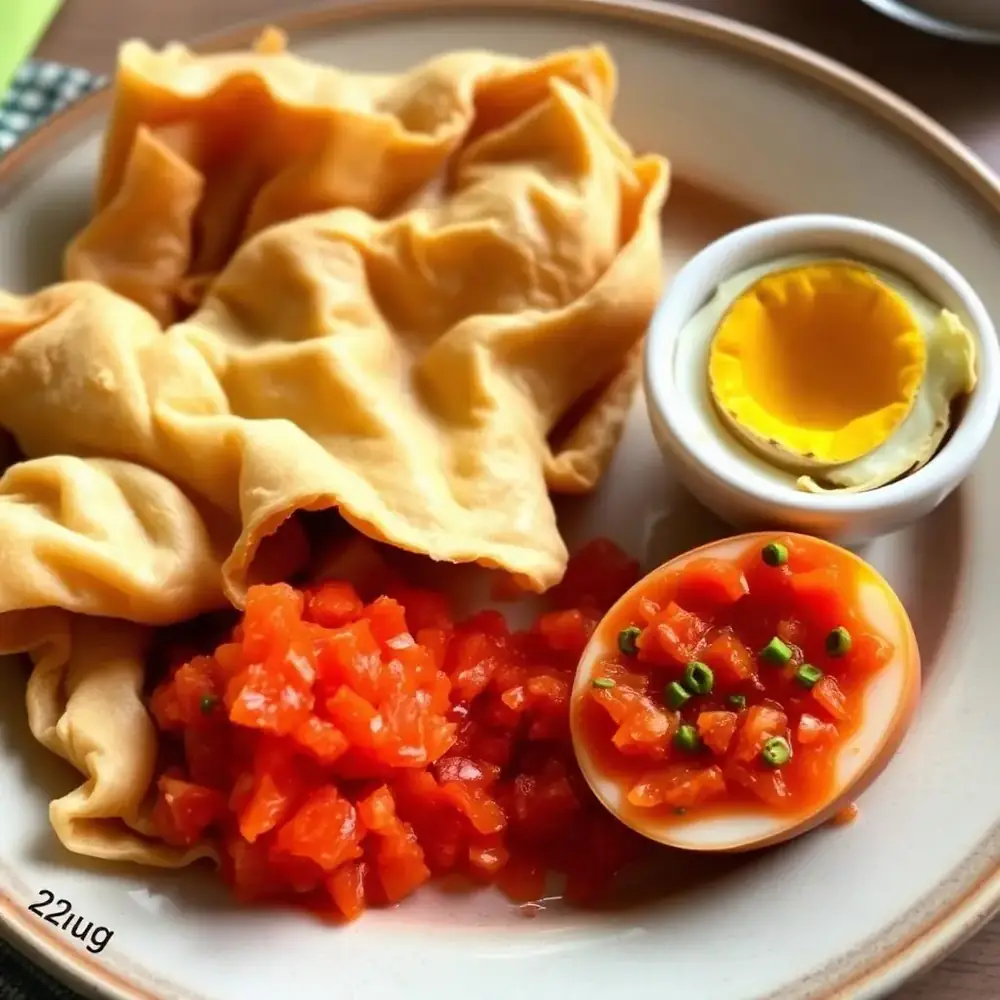
It is almost never eaten alone. The classic trio served alongside jachnun is fresh grated tomato, zhug (a punchy Yemenite chili-and-herb relish), and a hard-boiled egg that has cooked overnight right on top of the pot, turning creamy and brown. Together they balance the rich pastry with acidity, heat, and protein.
A Short History of Jachnun
Jachnun originates with the Jews of Yemen, one of the oldest Jewish communities in the world, whose distinctive cuisine developed over centuries in relative isolation. Like its cousins kubaneh (a pull-apart enriched bread) and malawach (a flaky fried flatbread), jachnun was born from the practical demands of Shabbat observance: because lighting a fire or cooking on the Sabbath is prohibited, Yemenite cooks perfected dishes that could be assembled before sundown on Friday and left to bake slowly through the night, ready to eat at their warmest the next morning.
When large numbers of Yemenite Jews immigrated to Israel in the mid-twentieth century — most famously in Operation Magic Carpet around 1949–1950 — they brought these recipes with them. Jachnun quickly leapt from Yemenite homes into the wider Israeli mainstream. Today it is a beloved national comfort food, sold frozen in every supermarket, served at dedicated jachnun stands, and eaten by Israelis of every background on lazy weekend mornings.
Jachnun is Shabbat made edible: a dish shaped entirely by the rhythm of rest, where the only real ingredient that can't be rushed is time.
Why Jachnun Is Trending
Jachnun is enjoying a surge of attention well beyond Yemenite and Israeli circles, and a few forces are behind it. The first is the global spotlight on Mizrahi and Yemenite Jewish cuisine. As food lovers move past the familiar Ashkenazi canon of bagels and brisket, they're discovering the rich, spice-forward traditions of Jews from the Middle East and North Africa — and jachnun, with its dramatic overnight bake and addictive condiments, is a showstopper.
The second is the rise of slow, intentional cooking on social media. There's something deeply satisfying about a dish that demands a long, hands-off bake, and videos of jachnun emerging amber-gold from the pot, unrolled and torn apart, perform beautifully online. The third is simply how comforting and shareable it is: a warm, communal weekend breakfast that brings people around the table — exactly the kind of food people crave right now.
What You'll Need: Ingredients
Jachnun's ingredient list is refreshingly short — flour, water, a little sugar and salt, and plenty of fat. The technique, not the shopping list, is what makes it special. This recipe makes about 8 pieces.
For the Dough
- 4 cups (about 500g) all-purpose flour, plus more for dusting
- 1½ cups warm water (add gradually)
- 2 tbsp sugar (plus 1 tsp honey, optional, for color and a hint of sweetness)
- 1½ tsp salt
- 1 tsp baking powder (optional, for a slightly lighter texture)
- 2 tbsp neutral oil, for the dough
For Spreading and Baking
- About 1 cup (200–250g) softened clarified butter (samneh), butter, or margarine for a pareve version
- Whole eggs in their shells, for cooking on top (optional but traditional)
For Serving
- Fresh grated tomato (simply grate ripe tomatoes on a box grater, season with salt)
- Zhug (Yemenite green or red chili paste with cilantro, garlic, and spices)
- Hard-boiled or overnight-cooked eggs
- Optional: a sprinkle of hilbeh (fenugreek relish) for the truly traditional
Step-by-Step Instructions
Step 1: Make the Dough
In a large bowl, whisk together the flour, sugar, salt, and baking powder if using. Add the oil and most of the warm water, then mix and knead, adding more water a little at a time, until you have a smooth, soft, slightly tacky dough — softer than bread dough but not sticky. Knead for about 8 to 10 minutes until elastic. Drizzle a little oil over the dough, cover, and let it rest at least 30 minutes (an hour is better). Resting relaxes the gluten so the dough will stretch thin without tearing.
Step 2: Divide and Stretch
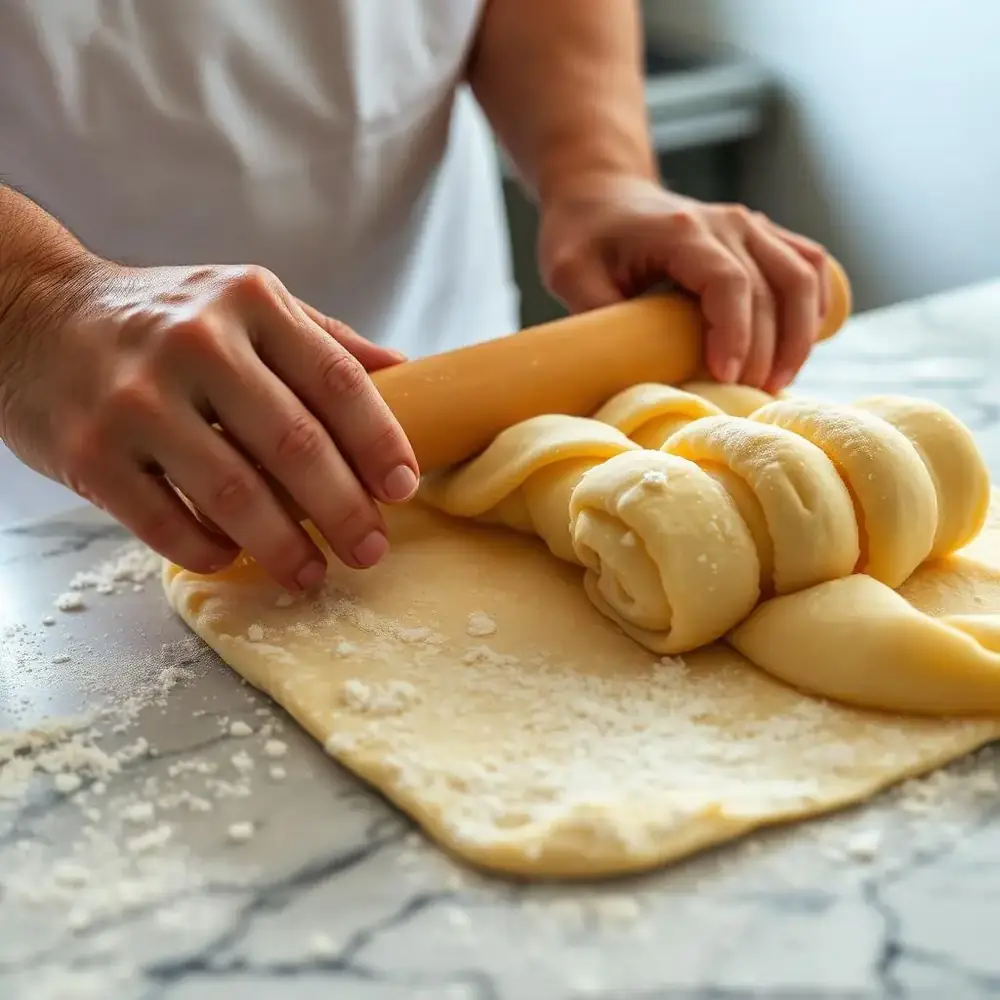
Divide the rested dough into 8 equal balls. Oil your work surface and your hands generously — jachnun is rolled and stretched with fat, not flour. Take one ball and, using oiled palms and fingertips, press and stretch it outward into a very thin sheet, almost translucent, roughly the size of a dinner plate or larger. Don't worry about a perfect shape; thinness is what matters.
Step 3: Butter and Roll
Spread a thin, even layer of softened clarified butter or margarine all over the stretched dough. Fold in the sides slightly to make a rough rectangle, then roll it up tightly from one end to the other, like a snug little log or jelly roll. Press the seam to seal. Repeat with the remaining dough balls, spreading fat on each before rolling. This buttered, coiled structure is what gives jachnun its signature layers.
Step 4: Pack the Pot
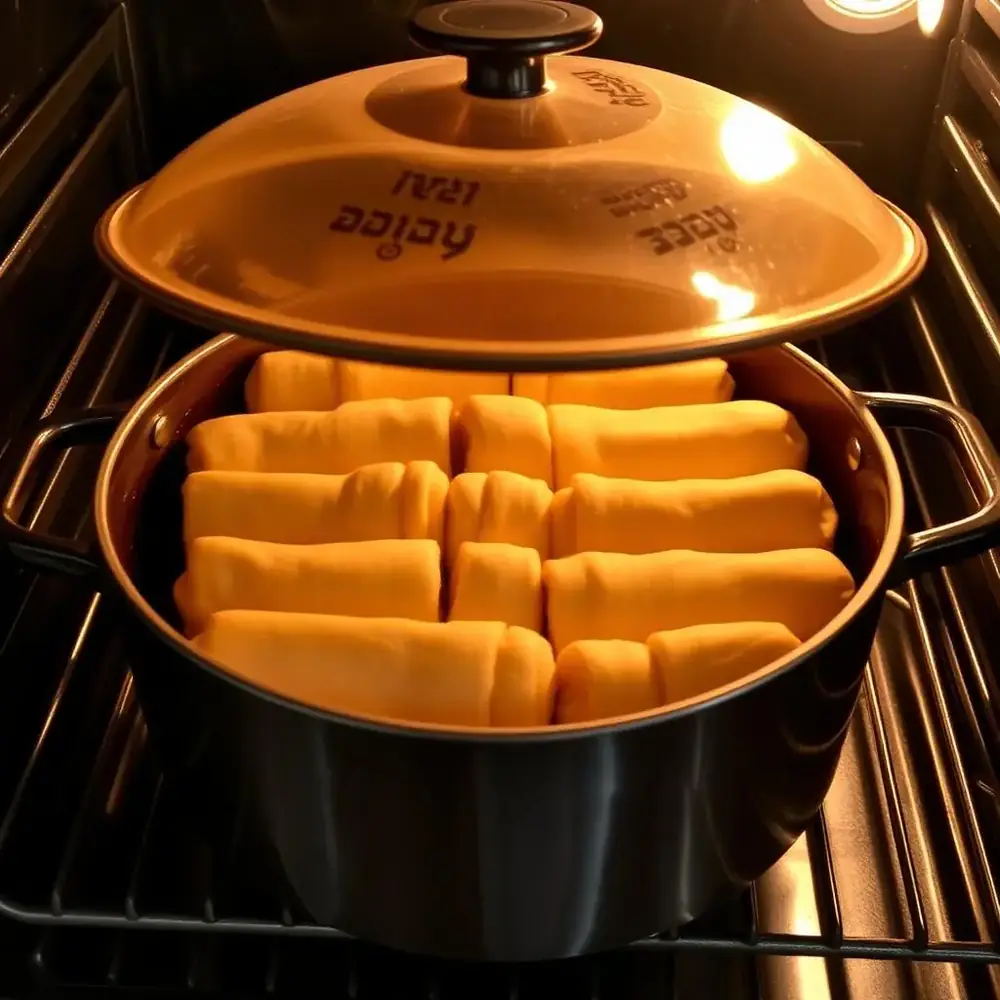
Grease a heavy, lidded pot (a Dutch oven works well). Place the rolled logs snugly side by side in a single layer, seam-side down — packing them tightly so they hold their shape during the long bake. If you like, line the bottom with a sheet of parchment or a few clean grape or cabbage leaves in the traditional style. Nestle whole eggs in their shells among or on top of the logs if you want the classic overnight eggs. Cover with the lid (some cooks add a layer of foil under the lid for an extra-tight seal).
Step 5: Bake Low and Slow
Bake in a very low oven — around 225°F (110°C) — for 8 to 10 hours, or overnight. The long, gentle heat is non-negotiable: it's what turns the dough amber, develops the sweet, mellow flavor, and creates the tender pull-apart texture. In the morning, the jachnun will be deeply golden and fragrant, and the eggs will be brown and creamy. For a faster weekday version, you can bake at 300°F (150°C) for about 3 hours, though the flavor is best with the full slow bake.
The Secret to Tender, Layered Jachnun
Two things make or break jachnun. The first is the stretch: the dough must be pulled genuinely thin — nearly see-through — before buttering and rolling, because every thin layer becomes a delicate sheet in the finished pastry. Use oil, not flour, on your hands and surface so the dough stays supple and stretches without tearing. The second is the bake: resist the urge to rush it. The magic happens over many low-and-slow hours, when the trapped fat and the gentle heat slowly caramelize the dough into something soft, sweet, and golden all the way through.
How to Serve Jachnun
Serve jachnun warm, straight from the pot, in all its rolled glory. Each person unrolls or tears their own piece by hand. Set out bowls of freshly grated, salted tomato and zhug for dipping, and give everyone one of the overnight eggs. The contrast is everything: the rich, sweet, buttery pastry against the cool, bright tomato and the garlicky heat of the zhug. It's traditionally a Shabbat morning dish, but it makes an unforgettable weekend brunch any time.
Expert Tips
- Oil, not flour, is your friend — keep your hands and surface well-oiled so the dough stretches thin without ripping.
- Let the dough rest fully before stretching; relaxed gluten is what lets you pull it nearly translucent.
- Pack the pot tightly. Logs that touch hold their shape and steam-bake into the right texture; loose logs unravel and dry out.
- Don't open the oven during the long bake — every peek drops the temperature and lengthens the cook.
- Make the zhug and grate the tomato fresh; the condiments are not optional extras, they complete the dish.
Common Mistakes to Avoid
- Not stretching the dough thin enough — thick dough bakes up dense instead of tender and layered.
- Skimping on the fat between layers, which is what creates jachnun's signature softness and color.
- Baking too hot or too fast; high heat scorches the outside before the inside develops flavor.
- Using a pot without a tight lid, letting steam escape so the jachnun dries out.
- Serving it plain — without grated tomato and zhug, you're missing half the experience.
Make-Ahead and Storage
Jachnun is built for make-ahead cooking — that's its whole point. Assemble the rolled logs and refrigerate them in the pot for up to a day before baking. Leftover baked jachnun keeps in the fridge for 3 to 4 days; reheat gently in a low oven, wrapped in foil, to bring back its softness. It also freezes beautifully: freeze the rolled, unbaked logs (this is exactly how store-bought jachnun is sold) and bake straight from frozen, adding a little extra time. Grated tomato is best made fresh, while zhug keeps for a week or more in the fridge.
Conclusion
Jachnun is proof that the most memorable foods are often the most patient ones. A short list of humble ingredients, a little technique, and a long overnight bake yield a pastry that is golden, tender, and unmistakably special — the taste of a Yemenite Jewish Shabbat morning. Roll a batch on a Friday afternoon, let your oven do the slow work, and wake up to a warm pot, a brown egg, and bowls of grated tomato and zhug waiting on the table. It's a tradition worth making your own.
Key Takeaways
- Jachnun is a Yemenite Jewish slow-baked rolled pastry traditionally cooked overnight for Shabbat morning.
- It's made from a simple dough stretched thin, spread with clarified butter or margarine, and rolled into tight logs.
- The signature low-and-slow overnight bake is what gives jachnun its amber color and tender, layered texture.
- Use oil rather than flour to stretch the dough thin without tearing — the key technique for success.
- Serve it warm with fresh grated tomato, zhug, and an overnight egg for the authentic experience.
Frequently Asked Questions
What is jachnun made of?
Jachnun is made from a simple dough of flour, water, a little sugar and salt, and oil, which is stretched thin, spread with clarified butter or margarine, rolled into tight logs, and baked slowly overnight. The short ingredient list means technique — thin stretching and a long, low bake — is what makes it special.
Why does jachnun bake for so long?
The long overnight bake comes from Shabbat tradition, when cooking is prohibited but food kept warm from before sundown is allowed. The low, slow heat also does the real culinary work: it caramelizes the layered dough into a deep amber color and creates jachnun's signature soft, tender, pull-apart texture.
Can I make jachnun pareve (non-dairy)?
Yes. Traditional jachnun uses samneh (clarified butter), which makes it dairy, but you can swap in margarine or a pareve clarified fat to make it pareve. A pareve version can be served alongside meat meals on a kosher table.
What do you serve with jachnun?
The classic accompaniments are freshly grated, salted tomato, zhug (a spicy Yemenite chili-herb relish), and a hard-boiled or overnight-cooked egg. The bright tomato and fiery zhug balance the rich, sweet pastry, and the egg rounds out the meal.
Can I freeze jachnun?
Absolutely — freezing is how store-bought jachnun is sold. Freeze the rolled, unbaked logs and bake straight from frozen, adding a little extra time. Baked leftovers also keep for 3 to 4 days in the fridge and reheat well wrapped in foil in a low oven.
Loved this recipe?
Share it with your family, leave a comment, and explore more traditional and modern Jewish dishes on JewishCuisine.
Explore more Holidays recipes