Chocolate Babka: The Swirled, Glossy Loaf Taking Over Every Bakery
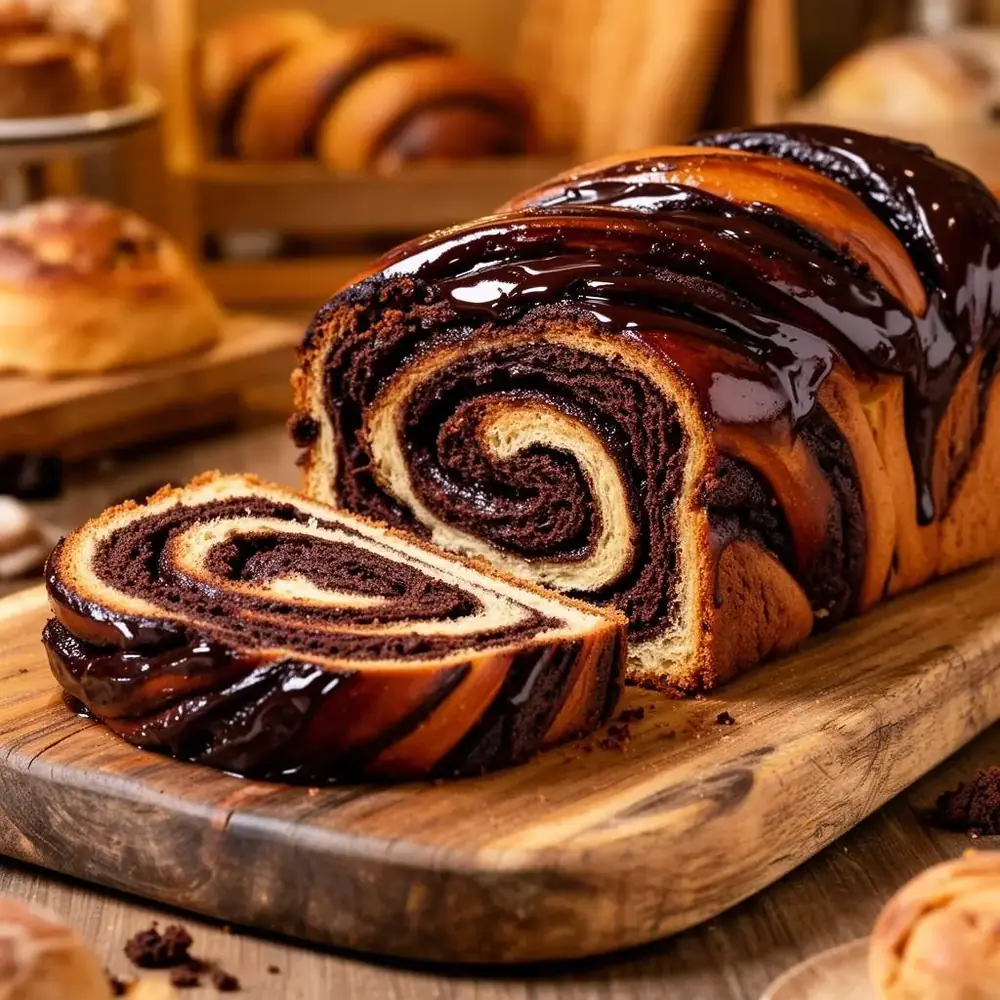
Cut into a good chocolate babka and you'll understand the hype in a single glance: ribbons of dark chocolate spiraling through soft, buttery dough, the top lacquered with a shiny syrup glaze. It's part bread, part pastry, and entirely irresistible — the kind of loaf that disappears off the counter before it has time to cool.
Babka has had a remarkable glow-up. Once a humble way for Eastern European Jewish bakers to use up leftover challah dough, it's now the most-photographed item in artisan bakeries from Tel Aviv to Brooklyn. Search interest spikes around the holidays and never really comes back down — people want to learn how to make babka at home, and the good news is that you absolutely can.
The secret isn't fancy equipment. It's understanding the dough, the filling, and the signature twist that gives babka its dramatic cross-section. This guide breaks all of it down so your first loaf looks like it came from a pro.
What Makes This Recipe Special?
Plenty of sweet breads are good. Babka is theatrical. This version is built to be soft, deeply chocolatey, and genuinely achievable for a home baker.
- A rich, enriched dough — eggs and butter make it tender and just sturdy enough to hold the swirl.
- A glossy dark-chocolate filling that stays fudgy, never dry or crumbly.
- The classic twist-and-fold technique that exposes those famous chocolate layers.
- A simple sugar syrup glaze for that signature bakery shine.
Ingredients
For the Enriched Dough
- 4 cups (500g) all-purpose flour
- ½ cup (100g) granulated sugar
- 2¼ teaspoons instant yeast (1 packet)
- 2 large eggs, plus 1 egg yolk
- ¾ cup warm whole milk (or non-dairy milk for pareve)
- ½ cup (115g) unsalted butter, softened (or margarine for pareve)
- 1 teaspoon kosher salt
For the Chocolate Filling
- 6 oz (170g) dark chocolate, chopped
- ½ cup (115g) unsalted butter or margarine
- ⅓ cup (40g) cocoa powder
- ½ cup (100g) powdered sugar
- Pinch of salt
For the Glaze
- ⅓ cup water
- ⅓ cup granulated sugar
Step-by-Step Instructions
Step 1: Make the Dough
- Whisk flour, sugar, yeast, and salt in a large bowl.
- Add eggs, yolk, and warm milk. Mix until a shaggy dough forms.
- Knead in the softened butter a little at a time until smooth and elastic, about 8–10 minutes.
- Cover and let rise until doubled, 1.5 to 2 hours. For best flavor, chill overnight — cold dough is far easier to roll.
Step 2: Make the Filling
- Melt the chocolate and butter together gently until smooth.
- Whisk in cocoa, powdered sugar, and salt to a spreadable paste.
- Let it cool slightly so it's thick but still spreadable.
Step 3: Shape the Swirl
- Roll the dough into a large rectangle, about 12x16 inches.
- Spread the filling evenly, leaving a small border.
- Roll tightly into a log from the long side, then slice the log lengthwise to expose the layers.
- Twist the two halves around each other, cut sides up, and tuck into a parchment-lined loaf pan.
Step 4: Proof, Bake & Glaze
- Let the shaped loaf rise 45–60 minutes until puffy.
- Bake at 350°F (175°C) for 35–40 minutes until deep golden and set.
- While it bakes, simmer the water and sugar into a light syrup.
- Brush the warm babka generously with syrup and let it soak in before slicing.
Chill the dough, slice the log open, and don't skip the syrup glaze. Those three moves turn a good loaf into a bakery-window showstopper.
A Little Jewish Culinary History
Babka began in the Jewish communities of Eastern Europe, particularly Poland and Ukraine, where thrifty bakers rolled leftover challah dough with cinnamon or fruit so nothing went to waste. The name is often linked to the Slavic word for grandmother, a nod to the loaf's homey, generational roots. Cinnamon was the original star; chocolate became popular later, especially as babka crossed the Atlantic and was reinvented in American Jewish bakeries. Today it stands as one of the most beloved exports of the Ashkenazi kitchen.
Cooking Tips From the Experts
- Work with cold dough — warm, sticky dough tears and smears the filling.
- Don't overfill; a thin, even layer swirls more cleanly than a thick one.
- Bake until truly set so the center isn't gummy.
- Brush the syrup while warm so it soaks in and locks in moisture.
Common Mistakes to Avoid
- Skipping the chill, which makes shaping a sticky mess.
- Rolling the log too loosely so the layers separate.
- Underbaking the center.
- Forgetting the glaze — it's what gives babka its signature shine.
Key Takeaways
- Babka is an enriched, swirled bread with Eastern European Jewish roots.
- Cold, rested dough is the key to clean, dramatic chocolate layers.
- Slicing the rolled log lengthwise exposes the signature swirl.
- A warm sugar-syrup glaze gives babka its glossy, bakery finish.
Frequently Asked Questions
Can I make babka dough ahead of time?
Yes, and you should. An overnight rest in the fridge develops flavor and makes the cold dough much easier to roll and shape without tearing.
How do I make babka pareve?
Swap the butter for a quality vegan margarine and use non-dairy milk. The dough stays soft and tender, and the loaf can then be served after a meat meal.
Why is my babka dry?
Usually it was overbaked or skipped the syrup glaze. Bake just until set and brush the warm loaf generously with sugar syrup to lock in moisture.
Loved this recipe?
Share it with your family, leave a comment, and explore more traditional and modern Jewish dishes on JewishCuisine.
Explore more Desserts recipes