Flaky Cheese Bourekas: The Sephardic Pastry Taking Over America
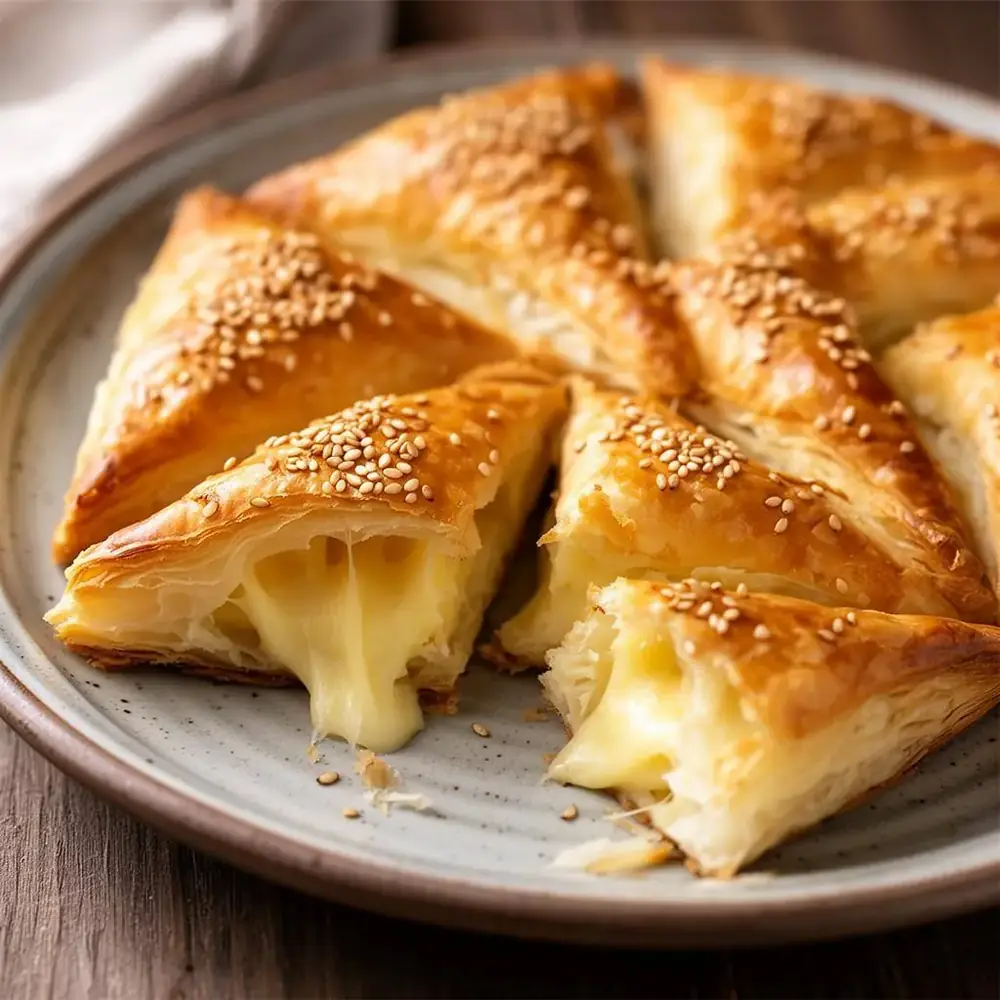
There are few sounds in a Sephardic kitchen as satisfying as the crackle of a warm boureka breaking open — the shatter of golden, paper-thin layers giving way to a cloud of steam and a stretch of molten cheese. For generations these flaky triangles and squares have been Shabbat-morning staples, bakery-window icons, and the snack that no Israeli bus station is complete without. And right now, they are having a genuine American moment.
In 2025, Israeli immigrants opened a wave of bourekas-devoted shops across the United States — from Bo.Re.Kas in Los Angeles to Buba in New York — pushing this once-niche pastry squarely into the fast-casual mainstream. Food writers are calling bourekas the next great hand-held import, and home cooks are racing to recreate them. The good news? With store-bought puff pastry, restaurant-worthy bourekas are surprisingly easy to make at home.
This guide walks you through a classic cheese boureka — the most beloved variety — from choosing your pastry and building a tangy, well-seasoned filling to folding, topping, and baking them to a deep, sesame-flecked gold. Master this version and you'll have the technique for endless fillings: potato, spinach, mushroom, or za'atar.
What Are Bourekas?
Bourekas (also spelled borekas or boreka) are savory baked pastries descended from the Turkish börek, brought to Israel by Sephardic and Balkan Jews from the former Ottoman Empire. While their cousins across the Mediterranean are often made with delicate phyllo, the Israeli boureka is most famous in its puff-pastry form: buttery, ultra-flaky, and shaped into recognizable forms that signal the filling inside.
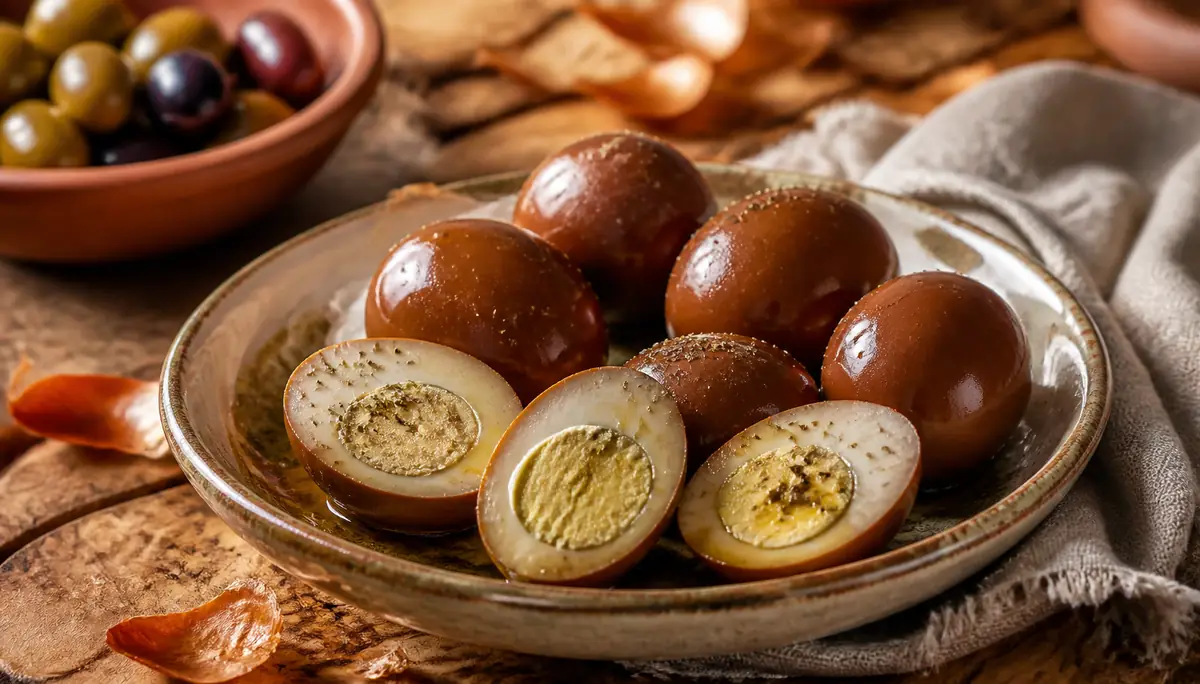
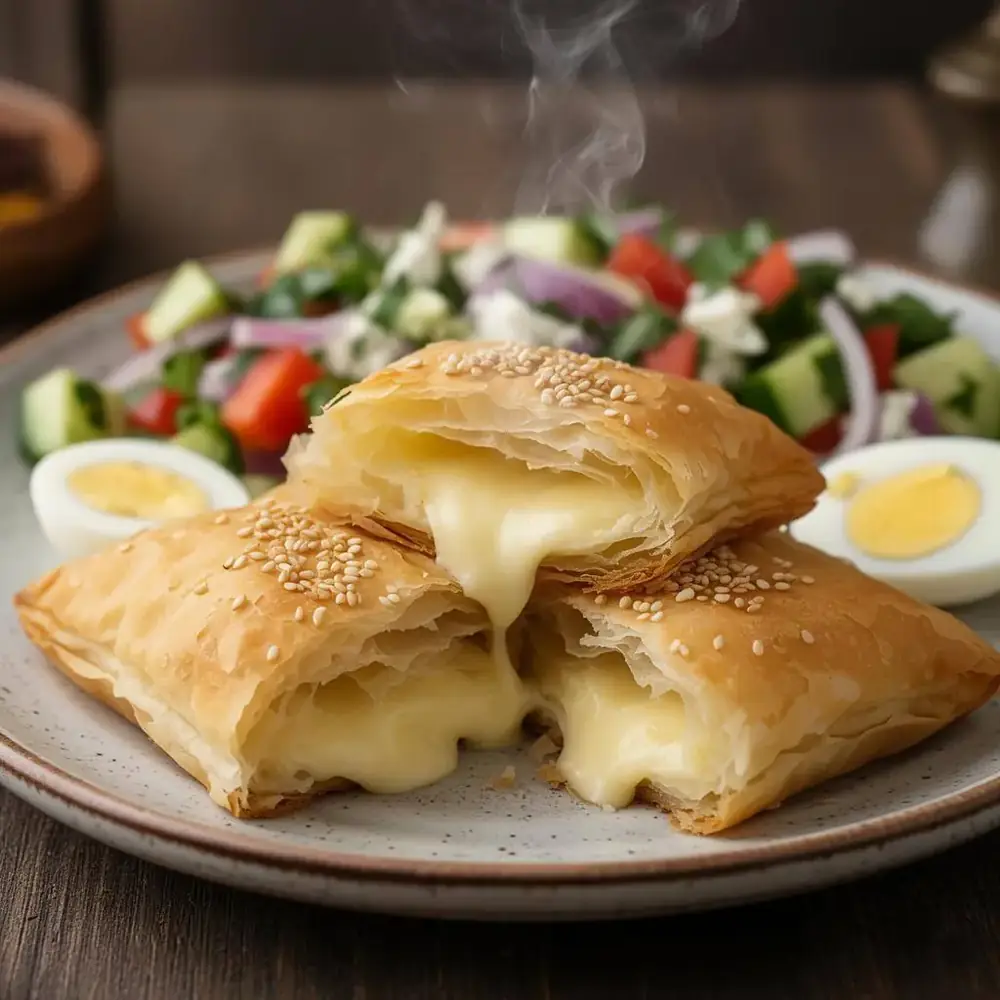
In Israel there's an unwritten code to boureka shapes — triangles traditionally hold cheese, rectangles or squares hold potato, and round or coiled ones often hold spinach or mushroom. They're classically served with a hard-boiled egg, a chopped Israeli salad, and a splash of hot sauce or amba, especially on Shabbat morning when cooking is paused.
What Makes This Recipe Special?
Plenty of recipes produce a pastry filled with cheese. This one is engineered for the two things that separate a great boureka from a soggy one: maximum flakiness and a filling that stays creamy, not watery.
- Shatteringly flaky layers — a cold-pastry, hot-oven method that guarantees dramatic puff and crisp edges.
- A tangy, sturdy cheese filling balanced so it melts without leaking or turning rubbery.
- A glossy egg wash and sesame topping for that unmistakable bakery-window shine.
- Beginner-friendly with store-bought puff pastry, plus make-ahead and freezer instructions.
Ingredients
For the Pastry
- 2 sheets all-butter puff pastry (about 1 lb / 450 g total), thawed but cold
- Flour, for dusting the work surface
For the Cheese Filling
- 1 cup (about 250 g) farmer's cheese, dry cottage cheese, or well-drained ricotta
- 1 cup (about 110 g) shredded kashkaval, Gruyère, or low-moisture mozzarella
- ½ cup (about 55 g) crumbled feta, for tang
- 1 large egg
- 2 tablespoons chopped fresh parsley or dill (optional)
- ¼ teaspoon black pepper; salt to taste (go easy — feta is salty)
For Topping
- 1 large egg, beaten with 1 teaspoon water (egg wash)
- 2 to 3 tablespoons sesame seeds (white, or a mix with nigella seeds)
Step-by-Step Instructions
Step 1: Make the Filling
- In a bowl, mash the farmer's cheese (or ricotta) with a fork until smooth.
- Add the shredded cheese, feta, egg, herbs, and pepper. Mix until combined into a thick, scoopable paste.
- Taste and adjust salt carefully — the feta and shredded cheese already carry a lot. Chill while you prep the pastry.
Step 2: Cut & Fill the Pastry
- On a lightly floured surface, gently roll each cold pastry sheet just enough to smooth the seams, then cut into squares (about 4 inches / 10 cm).
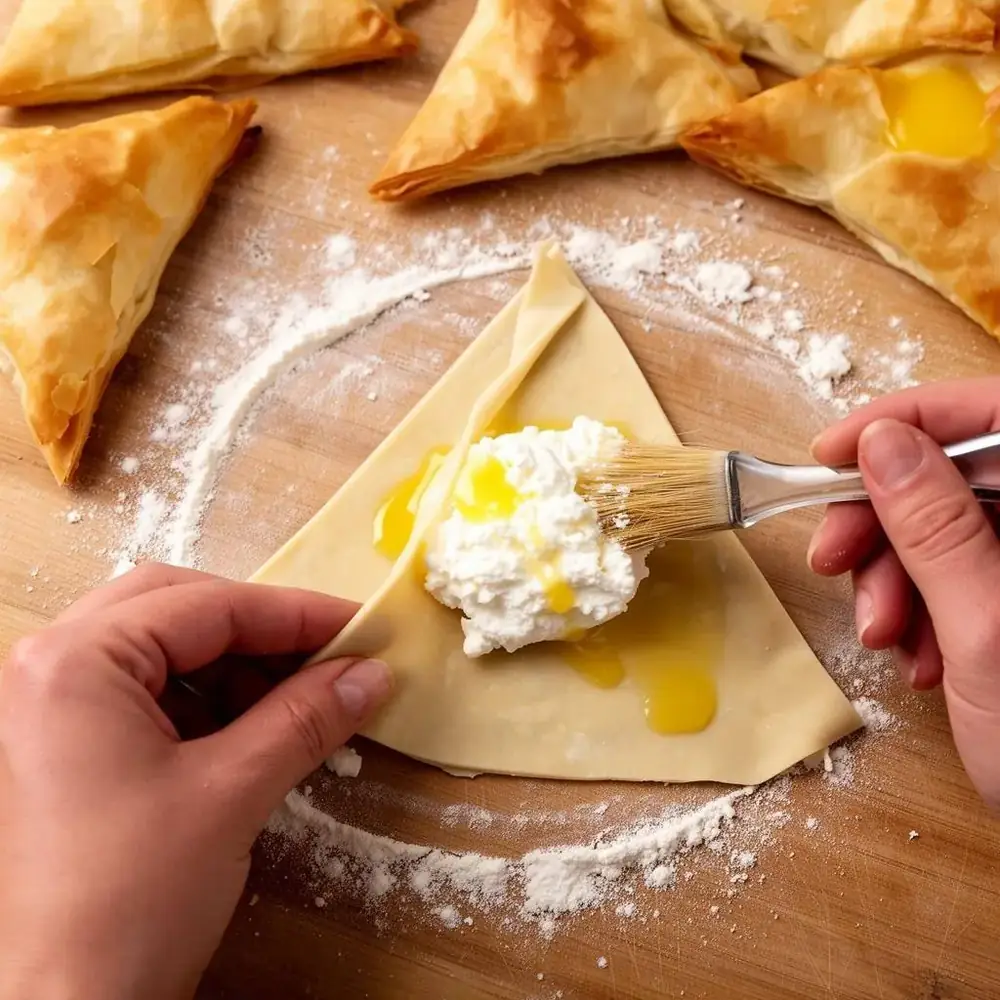
- Place a heaping tablespoon of filling slightly off-center on each square. Don't overfill — it's the most common cause of leaks.
- Brush two edges lightly with egg wash, fold into a triangle, and press the edges firmly to seal.
- Crimp the sealed edges with a fork to lock them shut.
Step 3: Top & Bake
- Arrange the bourekas on a parchment-lined baking sheet, leaving space between them.
- Brush the tops generously with egg wash and sprinkle with sesame seeds.
- Chill the tray in the freezer for 10–15 minutes — cold pastry going into a hot oven is the secret to maximum puff.
- Bake at 400°F (200°C) for 22–28 minutes, until deeply golden and dramatically puffed. Cool 5 minutes before serving.
Keep the pastry cold and the oven hot. Warm, soft dough spreads and steams instead of puffing — a quick chill before baking is what gives bourekas their architecture of crisp, separate layers.
A Little Jewish Culinary History
The boureka's story is a map of the Sephardic diaspora. Its ancestor, the börek, flourished across the Ottoman Empire, and when Jews were expelled from Spain in 1492 many resettled in Ottoman lands — Turkey, Greece, Bulgaria, and the Balkans — where they adopted and adapted the pastry into their own kosher kitchens. When these communities later immigrated to Israel in the 20th century, they brought their bourekas with them. There, the pastry was reinvented for an industrializing food culture: commercial puff pastry made bourekas faster to produce, and they became a fixture of bakeries, kiosks, and Shabbat tables nationwide. Today, as Israeli chefs and immigrants open dedicated boureka shops abroad, the pastry is completing another leg of its centuries-long journey — this time into the American mainstream.
Cooking Tips From the Experts
- Drain wet cheeses like ricotta in a sieve first — excess moisture makes the bottoms soggy.
- Work quickly and keep pastry cold; if it softens, return it to the fridge for a few minutes.
- Seal edges firmly and crimp with a fork to stop the cheese from leaking out during baking.
- Bake until deeply golden, not just pale — underbaked puff pastry is doughy in the center.
Make-Ahead & Freezing
- Assemble bourekas, freeze them raw on a tray, then transfer to a bag — bake straight from frozen, adding a few minutes.
- Baked bourekas reheat beautifully in a 350°F (175°C) oven for 8–10 minutes to re-crisp; avoid the microwave, which makes them limp.
- Egg wash and sesame can be applied just before baking, even on frozen pastries.
Common Mistakes to Avoid
- Overfilling, which forces the filling out and prevents a clean seal.
- Using a watery filling that steams and softens the bottom layers.
- Skipping the pre-bake chill, which leads to flat, greasy pastry instead of tall, flaky layers.
- Pulling them out too early — bourekas need a deep golden color to be fully crisp.
Serve your bourekas the traditional way — warm, with a chopped Israeli salad, hard-boiled eggs, and a little hot sauce — for a brunch that feels straight out of a Tel Aviv bakery. They're equally at home on a Shabbat morning spread or a weekday lunchbox.
Key Takeaways
- Bourekas are flaky Sephardic-Israeli puff-pastry pies now spreading across American food culture.
- Cold pastry plus a hot oven (and a pre-bake freezer chill) is the secret to maximum flaky puff.
- A well-drained, balanced cheese filling keeps bourekas creamy without leaking or sogginess.
- They're a dairy dish — serve with dairy or pareve sides, never with meat.
Frequently Asked Questions
What kind of cheese is best for cheese bourekas?
A blend works best: a soft, mild base like farmer's cheese or drained ricotta for creaminess, a melting cheese like kashkaval or mozzarella for stretch, and a little feta for tang. Drain any wet cheese first so the filling isn't watery.
Can I make bourekas ahead of time or freeze them?
Yes. Assemble them and freeze raw on a tray, then bake straight from frozen with a few extra minutes. Baked bourekas also reheat well in a hot oven to re-crisp — just skip the microwave, which makes them soft.
Are bourekas kosher, and what should I serve them with?
Cheese bourekas are a dairy (milchig) dish, so keep everything dairy or pareve and avoid meat. Use certified kosher cheeses and butter or vegetable-based puff pastry. Serve them the classic way with Israeli salad, hard-boiled eggs, and hot sauce.
Loved this recipe?
Share it with your family, leave a comment, and explore more traditional and modern Jewish dishes on JewishCuisine.
Explore more Traditional recipes