Kishke: The Old-World Stuffed Derma Making a Comeback
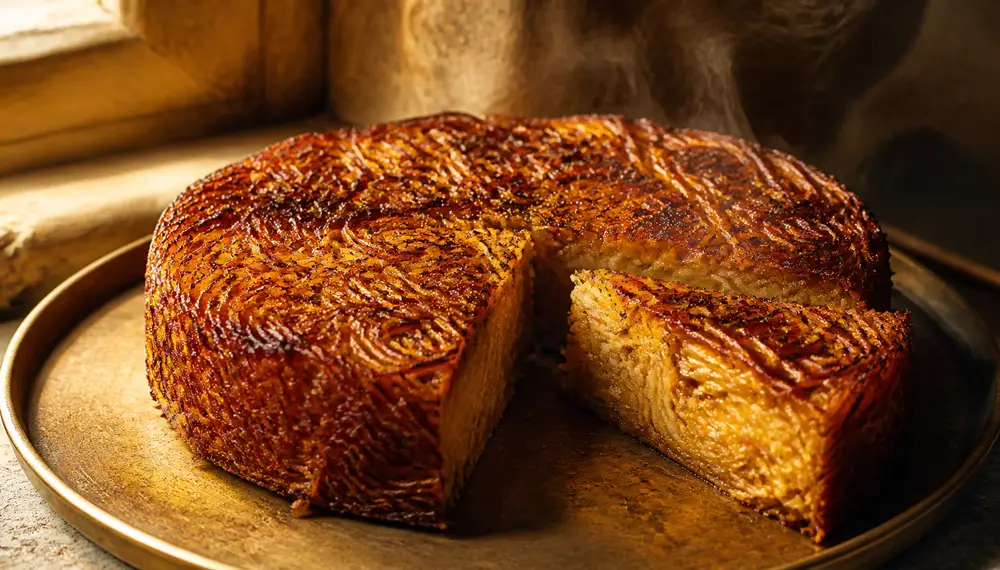
Every Jewish grandmother had a dish that quietly stole the show at Shabbat lunch, and for many Ashkenazi families that dish was kishke. Sliced into thick, bronzed rounds and slicked with gravy, it looks unassuming — until the first bite reveals a soft, savory interior and a crisp, almost buttery edge. Kishke is the kind of food that tastes like a memory: the warm kitchen, the long slow-cooked cholent, the smell of onions and paprika hanging in the air.
Also known as stuffed derma, kishke began as a genuinely thrifty dish — a way to use every last scrap in the kitchen by packing a simple flour-and-fat filling into a casing and roasting it until golden. Today most home cooks make it in a far easier way, rolled in parchment or foil, or nestled right on top of a bubbling cholent so it soaks up all that rich flavor. Either way, the result is the same: pure old-world comfort.
This guide covers everything you need to make kishke at home with confidence. We will look at where the dish comes from, why it is quietly trending again, exactly what goes into it, and a foolproof step-by-step method. We will also cover the mistakes that leave kishke gummy or bland, so your first batch comes out crisp, tender, and deeply savory.
Table of Contents
- What Kishke Actually Is
- Historical and Cultural Context
- Why Kishke Is Trending Again
- Ingredients and Key Concepts
- Step-by-Step Insights
- Expert Tips
- Common Mistakes to Avoid
- Frequently Asked Questions
- Key Takeaways
- Conclusion
What Kishke Actually Is
Kishke is a traditional Ashkenazi Jewish dish made by stuffing a seasoned filling of flour, fat, and finely grated vegetables into a casing, then roasting or slow-cooking it until firm. The Yiddish word kishke literally means intestine or gut, a nod to the beef casing that originally held the filling. The English name, stuffed derma, comes from the same idea — derma refers to the skin or casing used to encase the mixture.
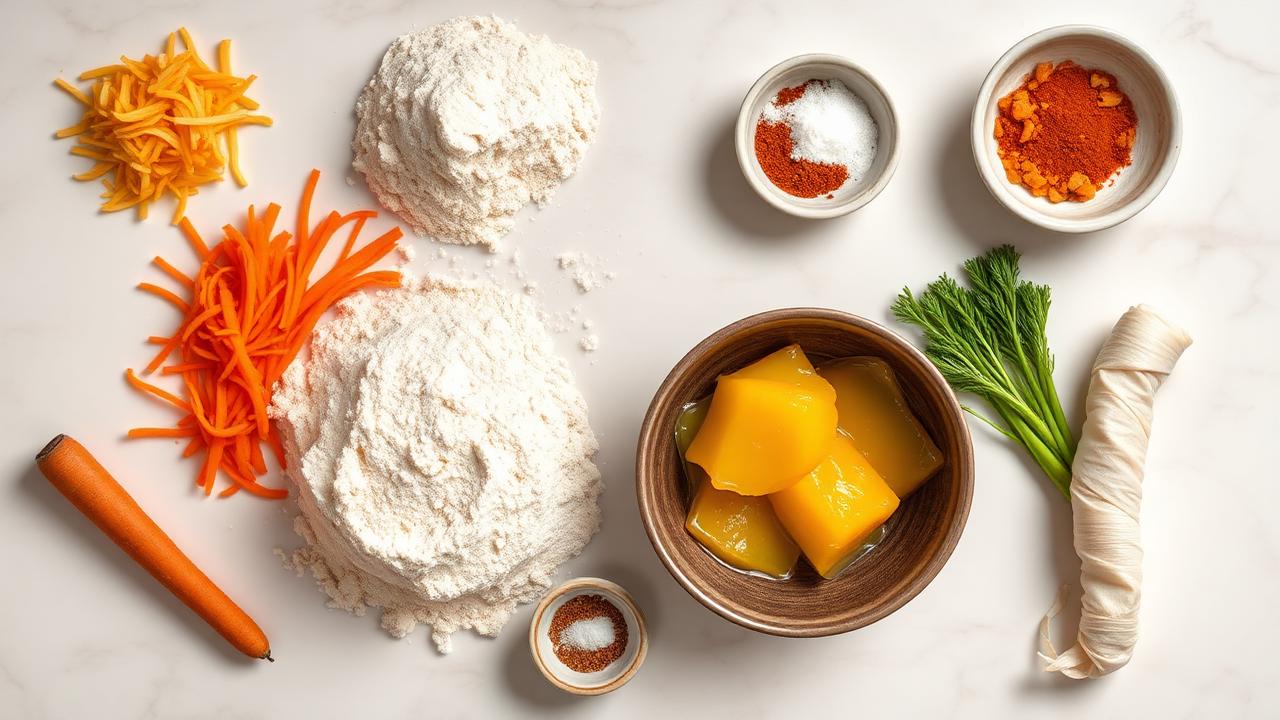
Despite the old-fashioned name, kishke is not a meat dish in the way many people assume. The filling itself is traditionally vegetarian at its core: flour, schmaltz or oil, grated onion, carrot, and celery, seasoned generously with paprika, salt, and pepper. When roasted, the outside crisps into a savory crust while the inside stays soft and dense, somewhere between a dressing and a savory pudding.
- A savory Ashkenazi side dish of flour, fat, and grated vegetables.
- Traditionally packed into a casing (derma), now usually rolled in parchment or foil.
- Roasted until the outside is crisp and the inside is tender and dense.
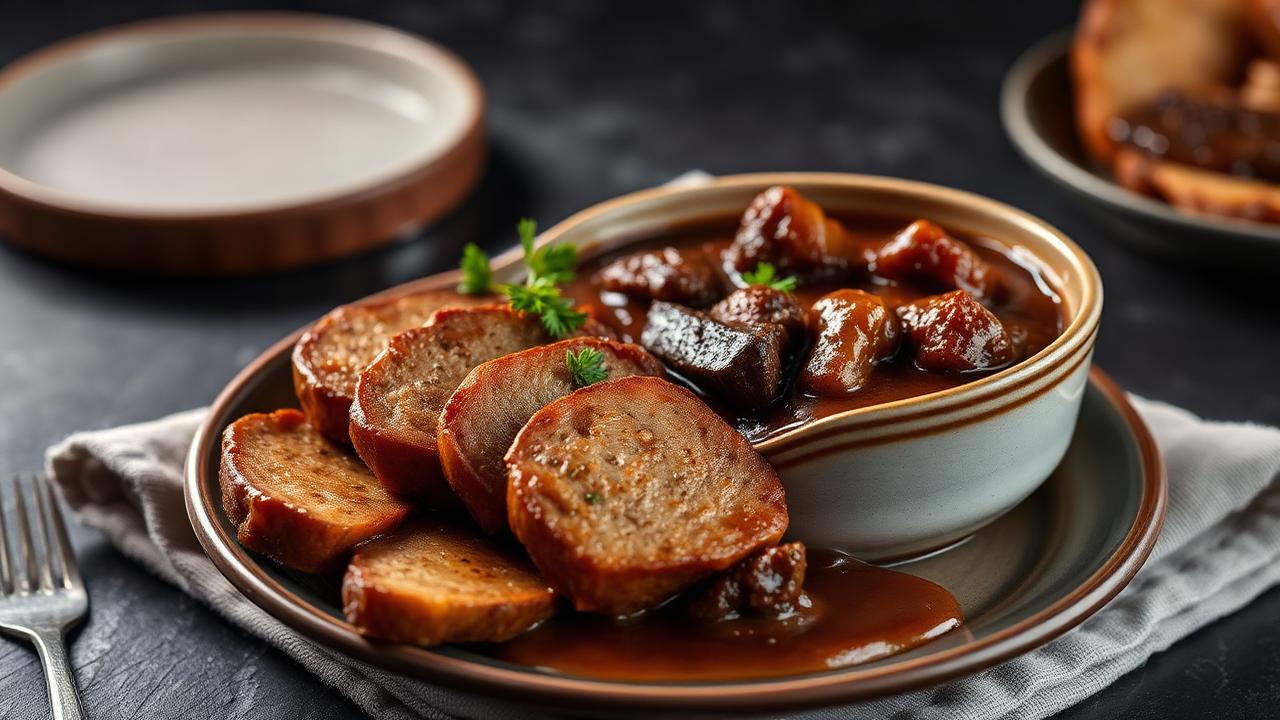
- Served in thick slices with gravy, or cooked directly in cholent.
Historical and Cultural Context
Kishke was born of the frugal kitchens of Eastern European Jewry, where nothing went to waste. In the shtetls of Poland, Lithuania, Ukraine, and beyond, cooks worked with modest ingredients and made them stretch. Flour and rendered fat were cheap and filling, and a length of cleaned beef casing gave that plain mixture form and a place at the table. Kishke was a way to turn near-scraps into something hearty enough to anchor a Shabbat meal.
The dish is closely tied to cholent, the slow-cooked Sabbath stew that simmers overnight so observant families can enjoy a hot meal on Saturday without cooking. Kishke was traditionally tucked into the cholent pot, where it absorbed the deep, meaty flavors of the beans, barley, and beef around it. This partnership is so classic that for many families, kishke and cholent are inseparable — you simply cannot picture one without the other.
As Jewish immigrants brought their food traditions to America in the late nineteenth and early twentieth centuries, kishke landed in delis and home kitchens alike. Over time, cleaned beef casings became harder to source, and cooks adapted by rolling the filling in parchment paper or foil — the origin of what many now call mock kishke. The dish stayed on holiday tables even as its wrapper changed, a quiet testament to how tradition bends without breaking.
Kishke is a lesson in Jewish cooking: take the humblest ingredients, treat them with care, and turn scarcity into something worth gathering around.
Why Kishke Is Trending Again
Kishke is having a quiet revival, and the reasons say a lot about how we eat now. There is a broad hunger for old-world, deeply flavored comfort food — dishes with history and soul rather than novelty. As younger cooks reconnect with their grandparents' recipes, kishke has resurfaced as a nostalgic centerpiece that feels both authentic and satisfyingly retro.
The modern parchment-and-foil method has also made kishke far more approachable. You no longer need to source and clean a beef casing; a log of filling wrapped in parchment roasts beautifully in a home oven. That accessibility, paired with the fact that the classic filling is naturally plant-based when made with oil, has helped kishke find new fans among vegetarian and flexitarian cooks looking for hearty, meat-free sides.
Finally, kishke rides the larger wave of interest in preserving Ashkenazi food heritage. As families document recipes that once lived only in memory, dishes like kishke, gefilte fish, and kugel are being celebrated rather than quietly retired. Kishke's blend of thrift, comfort, and story makes it a perfect fit for a moment that prizes food with meaning.
Ingredients and Key Concepts
Kishke rewards good technique more than expensive ingredients. The filling is short and inexpensive, but the ratio of flour to fat to vegetables, and how you cook it, make all the difference. Here is what you need and why each element matters.
- Flour: all-purpose flour is the base and binder; some cooks use a mix of flour and matzo meal for a slightly lighter, more tender crumb.
- Fat: schmaltz (rendered chicken fat) gives the most authentic, savory flavor, but a neutral oil or margarine keeps the dish pareve and vegetarian.
- Onion: grated or finely minced onion is essential for sweetness and depth — do not skimp.
- Carrot and celery: grated carrot adds color and gentle sweetness, while celery brings a savory, aromatic backbone.
- Paprika: sweet paprika gives kishke its signature warm color and flavor; a pinch of smoked paprika deepens it further.
- Salt and pepper: season assertively, because the mild flour base needs it.
- Optional casing: a cleaned beef casing for the traditional version, or parchment paper and foil for the modern roll.
Step-by-Step Insights
The modern parchment-rolled method is the easiest and most reliable way to make kishke at home. The process is forgiving, but a few key moves — grating finely, mixing to the right consistency, and rolling tightly — separate a great kishke from a gummy one.
- Prep the vegetables: finely grate the onion, carrot, and celery, or pulse them in a food processor until they are nearly a paste. Small pieces melt into the filling and keep the texture even.
- Mix the filling: combine flour (and matzo meal if using), softened schmaltz or oil, the grated vegetables, paprika, salt, and pepper. Stir until you have a thick, cohesive, slightly sticky mixture that holds together when pressed.
- Rest briefly: let the mixture sit for 10 to 15 minutes so the flour hydrates fully. This helps the kishke bind and roast evenly.
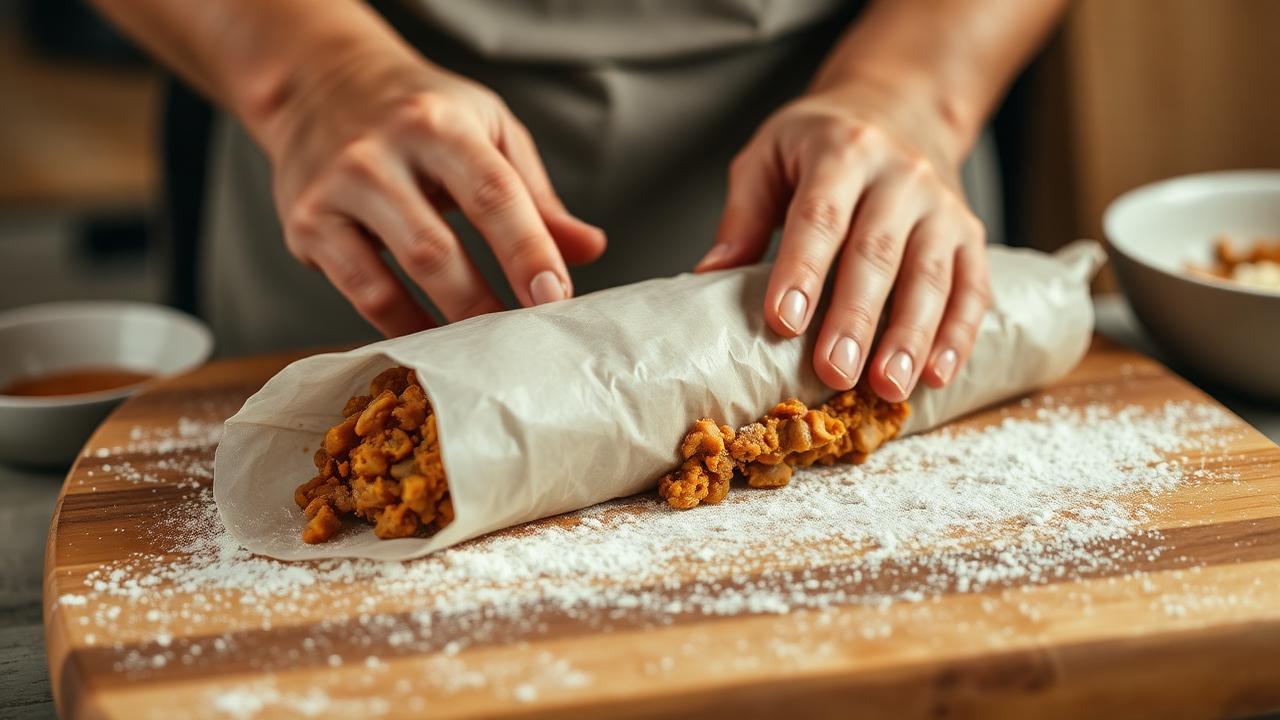
- Shape the log: spoon the filling onto a sheet of parchment paper, form it into a log about two inches thick, and roll it up tightly, twisting the ends like a candy wrapper. Wrap the whole thing again in foil to hold its shape.
- Roast: bake at around 350°F (175°C) for 60 to 75 minutes, until firm to the touch. For a crisp crust, unwrap the kishke for the last 15 to 20 minutes and let the surface brown.
- Rest and slice: let the kishke cool for 10 minutes so it firms up, then slice into thick rounds. Serve warm with gravy, or add it to cholent to finish cooking in the stew.
Expert Tips
A few small habits make the difference between a kishke that is merely fine and one that people ask you to make every year. These are the details experienced cooks rely on.
- Grate fine, not chunky: large vegetable pieces release water and steam the filling. Aim for a near-paste so the kishke stays dense and cohesive.
- Season boldly: the flour base is mild, so taste your seasoning by frying a tiny bit of the mixture before rolling, and adjust salt, pepper, and paprika accordingly.
- Get the consistency right: the mixture should be like a stiff paste — moist enough to hold together, but not runny. Add a little flour if loose, a splash of water or oil if crumbly.
- Unwrap to crisp: the final uncovered stretch in the oven is what gives kishke its craveable crust. Do not skip it if you want texture.
- Cook it in cholent: for the most traditional flavor, wrap the log in foil and bury it in the cholent pot to slow-cook overnight — it soaks up the stew and turns meltingly rich.
Common Mistakes to Avoid
Kishke is simple, but a handful of missteps can leave it gummy, greasy, or bland. Watch for these and your kishke will come out reliably delicious.
- Using too much fat: an over-greasy mixture roasts up heavy and dense. Stick to a balanced ratio so the crust crisps instead of frying.
- Chopping vegetables too coarsely: big chunks make the interior wet and uneven. Grate or process them finely.
- Under-seasoning: a bland kishke is the most common disappointment. Season generously and taste before rolling.
- Skipping the rest: slicing while piping hot causes the log to crumble. Let it set for at least 10 minutes.
- Never crisping the outside: keeping kishke wrapped the entire bake gives you a soft, pale log with no contrast. Unwrap at the end for color and crunch.
Frequently Asked Questions
A few questions come up again and again when people first make kishke. Here are clear answers to the most common ones.
Key Takeaways
Kishke proves that the most memorable Jewish dishes are often the humblest. With little more than flour, fat, and grated vegetables, you can make a side that carries generations of history and tastes like pure comfort.
Conclusion
Kishke may have started as a way to waste nothing, but it endures because it delivers something money cannot buy: connection. Whether you roast a log in parchment or tuck it into a bubbling cholent, you are cooking the same dish that warmed shtetl kitchens and immigrant delis alike. Make a batch, slice it thick, spoon over the gravy, and you will understand why this old-world comfort food is finding a new generation of fans. Once you taste that crisp edge and tender center, kishke earns a permanent place on your table.
Key Takeaways
- Kishke (stuffed derma) is a thrifty Ashkenazi side of flour, fat, and grated vegetables roasted until crisp outside and tender within.
- The traditional beef casing has largely given way to an easy parchment-and-foil roll, making kishke simple to make at home.
- Schmaltz gives the most authentic flavor, but oil or margarine keeps kishke pareve and vegetarian.
- Finely grated vegetables, bold seasoning, and a final uncovered roast are the keys to great texture.
- Kishke's classic pairing is cholent, where it soaks up the rich, slow-cooked stew.
Frequently Asked Questions
What is kishke made of?
Traditional kishke is made from flour, rendered chicken fat (schmaltz) or oil, and finely grated onion, carrot, and celery, seasoned with paprika, salt, and pepper. The mixture is packed into a casing or rolled in parchment and roasted until firm.
Is kishke vegetarian?
The classic filling can be fully vegetarian if you use oil or margarine instead of schmaltz. The old-world version used a beef casing, but modern kishke is usually rolled in parchment and foil, so it is easy to keep the whole dish plant-based.
What does kishke taste like?
Kishke has a savory, gently sweet flavor from the grated vegetables and paprika, with a crisp browned crust and a soft, dense interior. When cooked in cholent, it takes on the deep, meaty flavor of the stew.
How do you cook kishke in cholent?
Roll the filling into a log, wrap it tightly in foil, and nestle it into the cholent pot before the long, slow overnight cook. The kishke firms up and absorbs the flavors of the beans, barley, and beef around it.
How do you store and reheat kishke?
Store cooled kishke in an airtight container in the refrigerator for up to four days, or freeze slices for up to two months. Reheat in a 350°F oven until warmed through and crisp again, rather than the microwave, which softens the crust.
Loved this recipe?
Share it with your family, leave a comment, and explore more traditional and modern Jewish dishes on JewishCuisine.
Explore more Traditional recipes