Grandma's Matzo Ball Soup: The Cozy Jewish Penicillin Everyone Craves
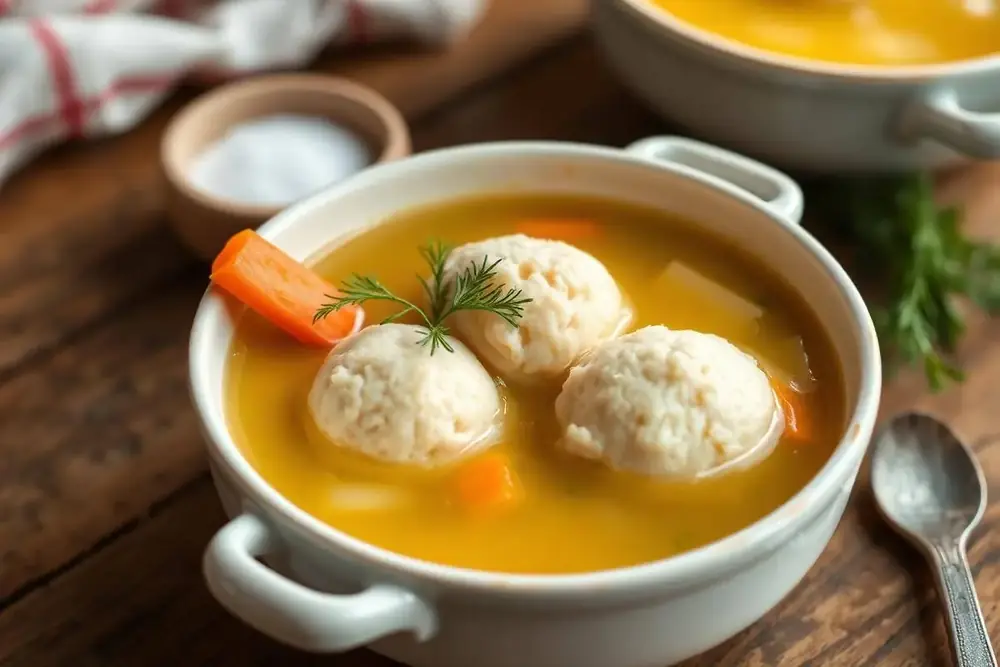
There is a reason matzo ball soup earned the loving nickname “Jewish penicillin.” The moment a steaming bowl lands in front of you — golden broth glistening, a pillowy matzo ball bobbing at the surface, the smell of dill and slow-simmered chicken filling the kitchen — something inside you relaxes. It tastes like being taken care of. It tastes like home.
Right now, more people than ever are searching for it. As cold-and-flu season returns and comfort food has its annual moment, homemade chicken soup sits at the very top of the list. Add the timeless appeal of Passover Seders and weeknight Shabbat dinners, and matzo ball soup has quietly become one of the most-loved Jewish recipes in America.
But here is the truth most recipes won't tell you: a great matzo ball soup is not complicated, but it is intentional. The difference between a dense, gummy matzo ball and a light, cloud-like one comes down to a few small techniques families have passed down for generations. This guide walks you through all of them.
What Makes This Recipe Special?
Plenty of soups are warming. Few carry an entire culture in a single spoonful. This version focuses on getting both the broth and the matzo balls exactly right.
- Truly fluffy matzo balls — a tested ratio plus a chilling step that guarantees a light, tender texture.
- A deeply golden, soul-warming broth built from simple pantry vegetables and chicken, no powders required.
- Beginner-friendly, with timing cues so you always know what “done” looks like.
- Naturally kosher and perfect for Passover, Shabbat, or any night you need a hug in a bowl.
Ingredients
For the Golden Chicken Broth
- 1 whole chicken (about 3.5–4 lbs), or 3 lbs bone-in chicken pieces
- 3 large carrots, peeled and cut into thick rounds
- 3 celery stalks, cut into chunks (include the leafy tops)
- 2 medium yellow onions, halved (skins on for deeper color)
- 1 parsnip, peeled and chopped (optional but classic)
- 1 small bunch fresh dill, plus more for serving
- 2 teaspoons whole black peppercorns
- 1 to 2 tablespoons kosher salt, to taste
- 12 cups cold water
For the Matzo Balls (Kneidlach)
- 1 cup matzo meal
- 4 large eggs
- ¼ cup schmaltz (rendered chicken fat) or neutral oil
- ¼ cup chicken broth or seltzer water (seltzer adds extra lift)
- 1 teaspoon kosher salt and ¼ teaspoon black pepper
Step-by-Step Instructions
Step 1: Build the Broth
- Place the chicken in a large stockpot and cover with cold water. Bring to a gentle boil.
- Skim off the gray foam that rises to the top — this is the single most important step for a clear broth.
- Add carrots, celery, onions, parsnip, peppercorns, and dill. Reduce heat to low.
- Simmer gently for 1.5 to 2 hours. Never let it boil hard; a lazy simmer keeps the broth golden and clear.
- Salt to taste in the last 30 minutes, then strain.
Step 2: Mix & Chill the Matzo Balls
- Whisk the eggs with schmaltz or oil until combined.
- Stir in matzo meal, salt, pepper, and broth or seltzer. Mix just until uniform — do not overmix.
- Cover and refrigerate at least 30 minutes. Chilling is non-negotiable for fluffy, not rubbery, matzo balls.
Step 3: Shape & Cook
- Bring a separate pot of salted water to a boil (cooking them apart keeps your broth clear).
- With wet hands, gently roll 1-inch balls — they double in size. Handle lightly.
- Lower them in, cover tightly, and simmer 30–40 minutes without peeking.
- Transfer to the hot broth, warm through, garnish with dill, and serve.
Chill the batter, keep the lid on, and never let the broth boil hard. Master those three things and your matzo balls will float like clouds.
A Little Jewish Culinary History
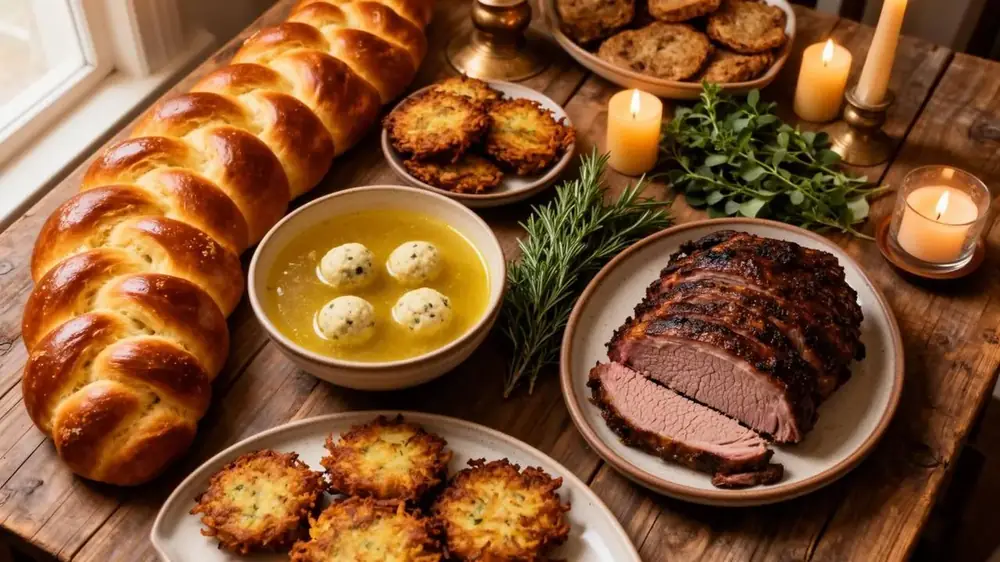
Matzo ball soup is a cornerstone of Ashkenazi Jewish cooking. The matzo balls, called kneidlach in Yiddish, evolved from a practical need: during Passover, leavened bread is forbidden, so cooks ground leftover matzo into meal and bound it with egg and fat. Chicken soup, meanwhile, has been considered restorative in Jewish homes for centuries. The pairing traveled with immigrants to America, where it found a permanent home in delis from New York to Los Angeles.
Cooking Tips From the Experts
- Skim early and often for a crystal-clear, golden broth.
- Use even a tablespoon of schmaltz for unmistakable richness.
- Season boldly — under-salted soup tastes flat.
- Store broth and matzo balls separately so they don't go mushy.
Common Mistakes to Avoid
- Boiling the broth too hard (it turns cloudy and greasy).
- Skipping the chill time (the fastest route to gummy matzo balls).
- Packing the balls too tightly.
- Lifting the lid while they cook.
Key Takeaways
- Matzo ball soup, or “Jewish penicillin,” is the ultimate Ashkenazi comfort food.
- Fluffy matzo balls depend on schmaltz/oil, chilled batter, and a lid-on simmer.
- A clear, golden broth comes from skimming and a gentle (never hard) simmer.
- Cook the matzo balls in separate salted water to keep the broth clear.
Frequently Asked Questions
Why are my matzo balls hard and dense?
Usually the batter wasn't chilled, the balls were packed too tightly, or the lid came off while cooking. Chill at least 30 minutes, roll gently with wet hands, and keep the pot covered.
Can I make matzo ball soup ahead of time?
Yes — it's ideal for entertaining. Store the broth and matzo balls separately in the fridge for up to four days, then reheat gently and combine before serving.
Is matzo ball soup only for Passover?
Not at all. While it's a Passover classic, families enjoy it year-round on Shabbat, during cold season, or any time they crave comfort.
Loved this recipe?
Share it with your family, leave a comment, and explore more traditional and modern Jewish dishes on JewishCuisine.
Explore more Traditional recipes