Ful Medames: Egypt's Ancient Jewish Breakfast of Fava Beans
Few dishes can claim to have fed people continuously for thousands of years, but ful medames is one of them. This humble pot of slow-cooked fava beans, mashed with good olive oil and brightened with lemon, garlic, and cumin, has been a staple of the Egyptian table since antiquity. For the Jews of Egypt, ful was more than sustenance — it was the smell of Shabbat morning, the reliable comfort of a weekday breakfast, and a taste of home carried across the world when the community scattered.
What makes ful medames remarkable is how much it delivers from so little. A handful of dried beans, a slow simmer, and a few pantry staples become a warm, savory, deeply satisfying meal that keeps you full for hours. It is naturally vegetarian, endlessly customizable, and about as economical as cooking gets — qualities that have kept it beloved from Cairo street carts to Jewish home kitchens in Israel, France, and the United States.
This guide walks you through ful medames from the ground up: what it is, its extraordinary history, why it is finding new fans today, the ingredients that define it, and a clear step-by-step method with the tips and pitfalls that turn a good pot of beans into an unforgettable one.
Table of Contents
- What Ful Medames Actually Is
- Historical and Cultural Context
- Why Ful Medames Is Trending
- Ingredients and Key Concepts
- Step-by-Step Insights
- Expert Tips
- Common Mistakes to Avoid
- Frequently Asked Questions
- Key Takeaways
- Conclusion
What Ful Medames Actually Is
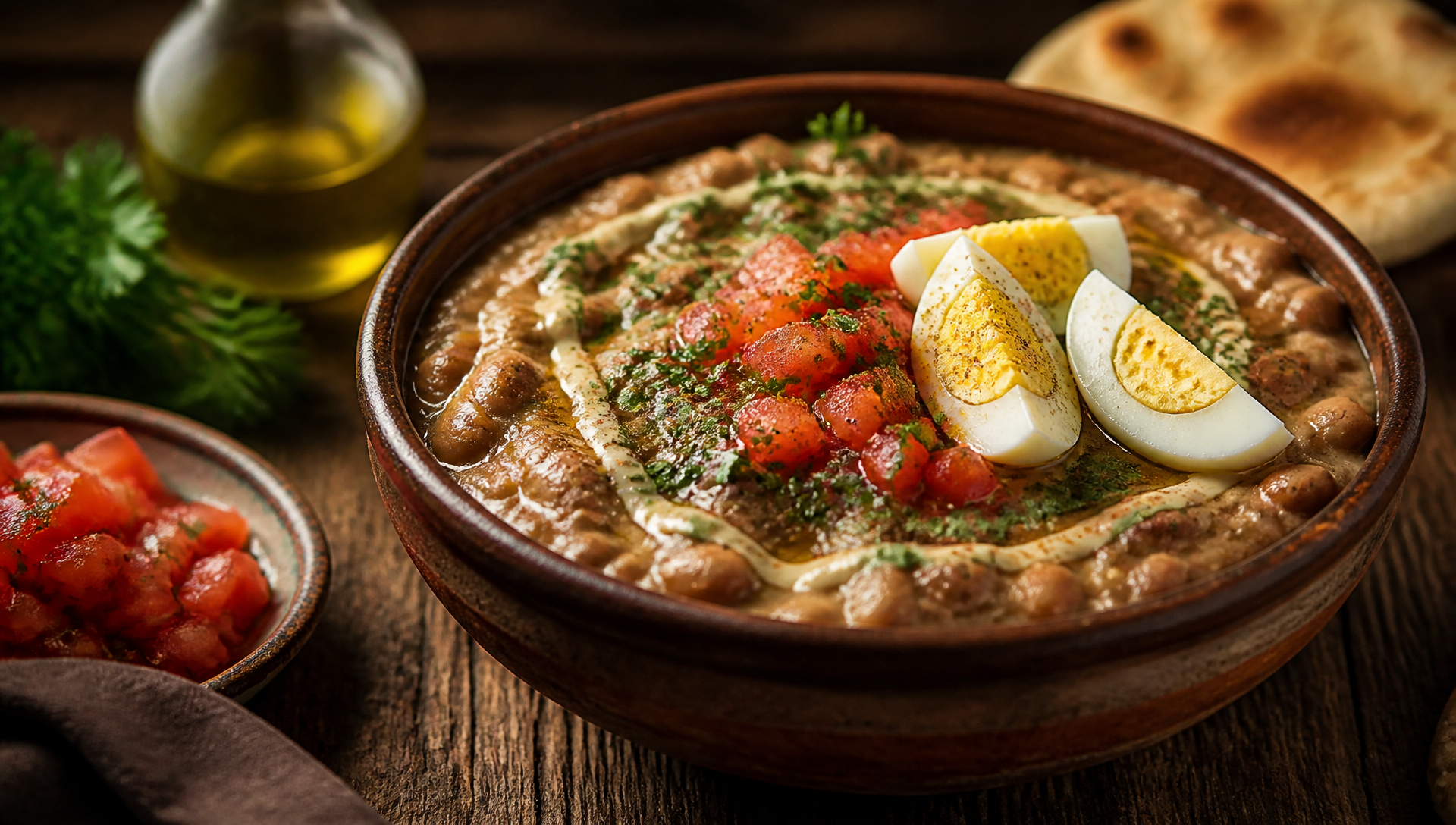
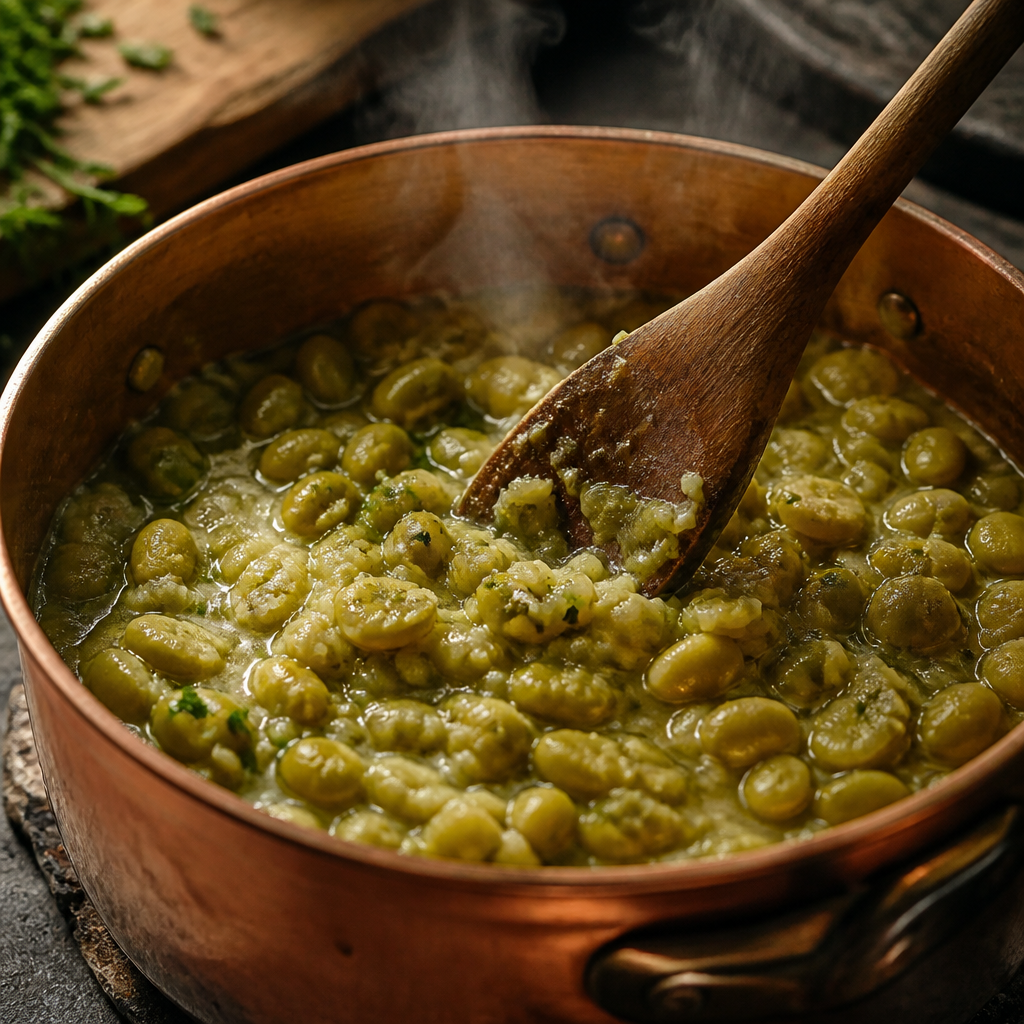
Ful medames (also spelled foul mudammas) is a dish of dried fava beans simmered slowly until tender, then lightly mashed and dressed with olive oil, lemon juice, crushed garlic, and cumin. The name comes from an old word meaning buried or covered, a nod to the traditional method of cooking the beans overnight in a covered pot set over low, banked embers. The texture sits somewhere between a chunky stew and a coarse mash — some beans left whole, others broken down into a creamy base.
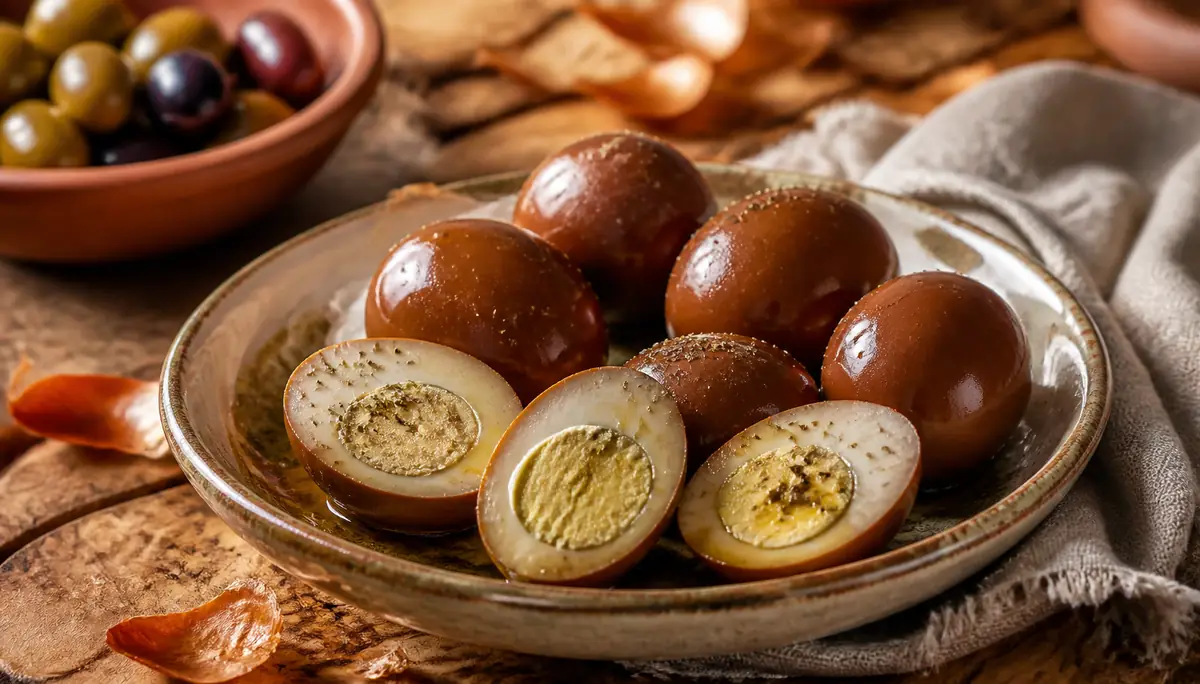
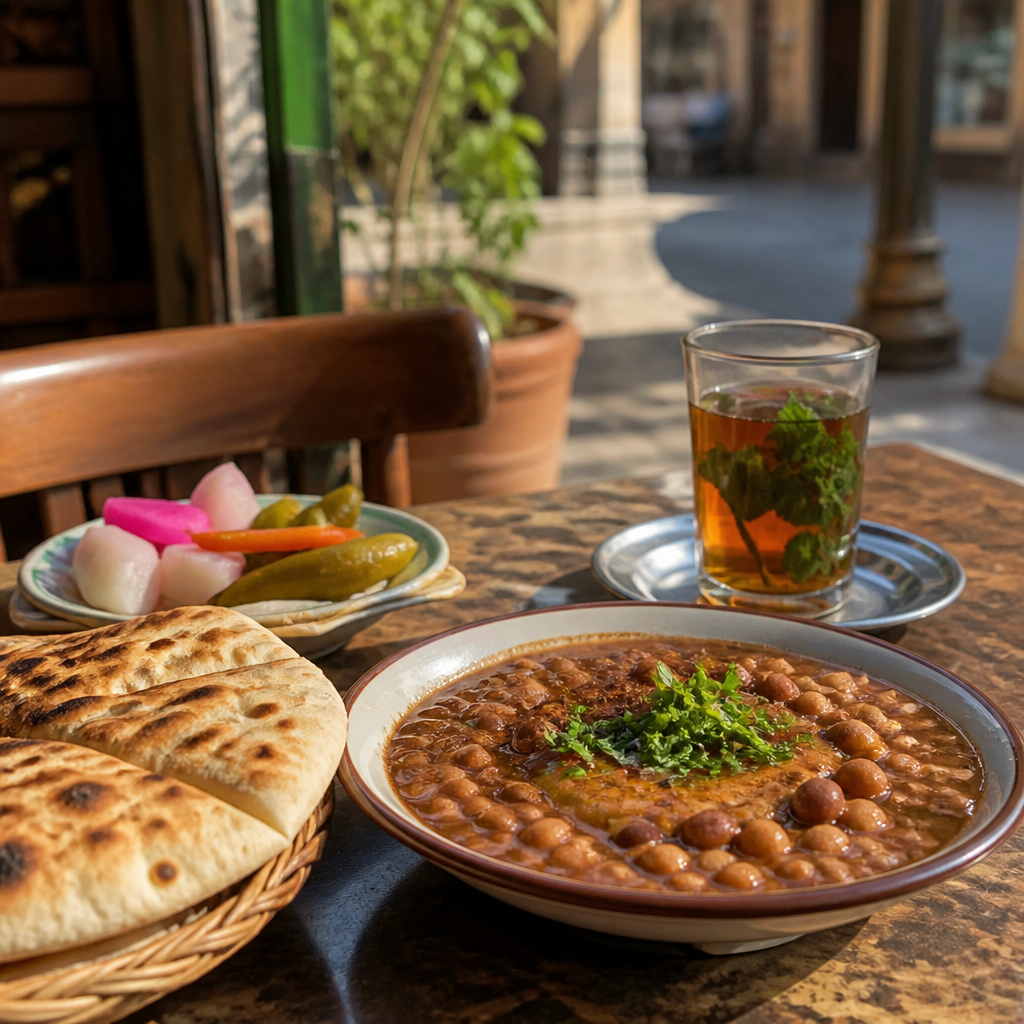
It is almost always served warm, scooped up with pita or flatbread rather than eaten with a spoon. The toppings are where cooks show their personality: chopped tomato, parsley, a swirl of tahini, sliced hard-boiled egg, a shower of cumin, a drizzle of extra olive oil, and a squeeze of lemon are all common. For Egyptian Jewish families, ful was the anchor of a leisurely breakfast spread that also included eggs, cheese, olives, and fresh vegetables.
Historical and Cultural Context
Fava beans are one of the oldest cultivated foods in the Middle East, and dishes resembling ful medames appear in Egyptian records reaching back millennia. Dried favas have even been found in ancient tombs. By the medieval period, ful was firmly established as everyday food across Egypt, prized because it was filling, cheap, and could be cooked slowly and left unattended — a practical virtue in busy households.
Egypt was home to one of the oldest and most storied Jewish communities in the world, with roots reaching back to biblical times and flourishing centers in Cairo and Alexandria. Egyptian Jews absorbed the local table wholeheartedly, and ful medames became part of their culinary rhythm. Its slow, overnight cooking made it especially well suited to Shabbat, when no fresh cooking is done: a pot could be set going before sundown on Friday and enjoyed warm on Saturday morning, much like the Ashkenazi cholent tradition.
In the mid-twentieth century, following waves of emigration and expulsion, the once-vibrant Jewish community of Egypt largely dispersed to Israel, France, Britain, Brazil, and the United States. As with so many Mizrahi and Sephardic communities, the food traveled even when the people could not stay. Today ful medames endures on Israeli breakfast tables and in Jewish home kitchens far from the Nile — a living link to a community whose presence in Egypt has faded but whose flavors remain vivid.
For Egyptian Jews, a pot of ful set to simmer on Friday afternoon was Shabbat breakfast waiting to happen — patient, humble, and deeply comforting.
Why Ful Medames Is Trending
Ful medames is riding several waves at once. As plant-based eating goes mainstream, cooks are rediscovering that some of the most satisfying vegetarian meals have been around for centuries. Ful is naturally vegan (before the optional egg), rich in protein and fiber, and endlessly adaptable — exactly the kind of humble, nourishing dish that modern eaters are seeking out.
There is also a broad surge of interest in Mizrahi and Sephardic Jewish cooking. As diners look beyond the familiar Ashkenazi canon, regional dishes from Egypt, Yemen, Iraq, and North Africa are stepping into the spotlight. Ful medames, with its ancient pedigree and irresistible simplicity, is a natural ambassador for this wider world of Jewish food. Israeli breakfast culture, which showcases ful alongside shakshuka and fresh salads, has amplified its reach even further.
Finally, ful fits the way people want to cook now: inexpensive, make-ahead, and forgiving. A big pot costs pennies per serving, reheats beautifully, and lets each person customize their bowl. In an age of rising grocery bills and interest in slow, intentional cooking, a dish that turns dried beans into a feast feels newly relevant.
Ingredients and Key Concepts
Ful medames has two parts: the beans and their long, gentle cooking, and the bright, punchy dressing and toppings that finish the bowl. Understanding each makes it easy to adapt the dish while keeping it authentic.
The Beans
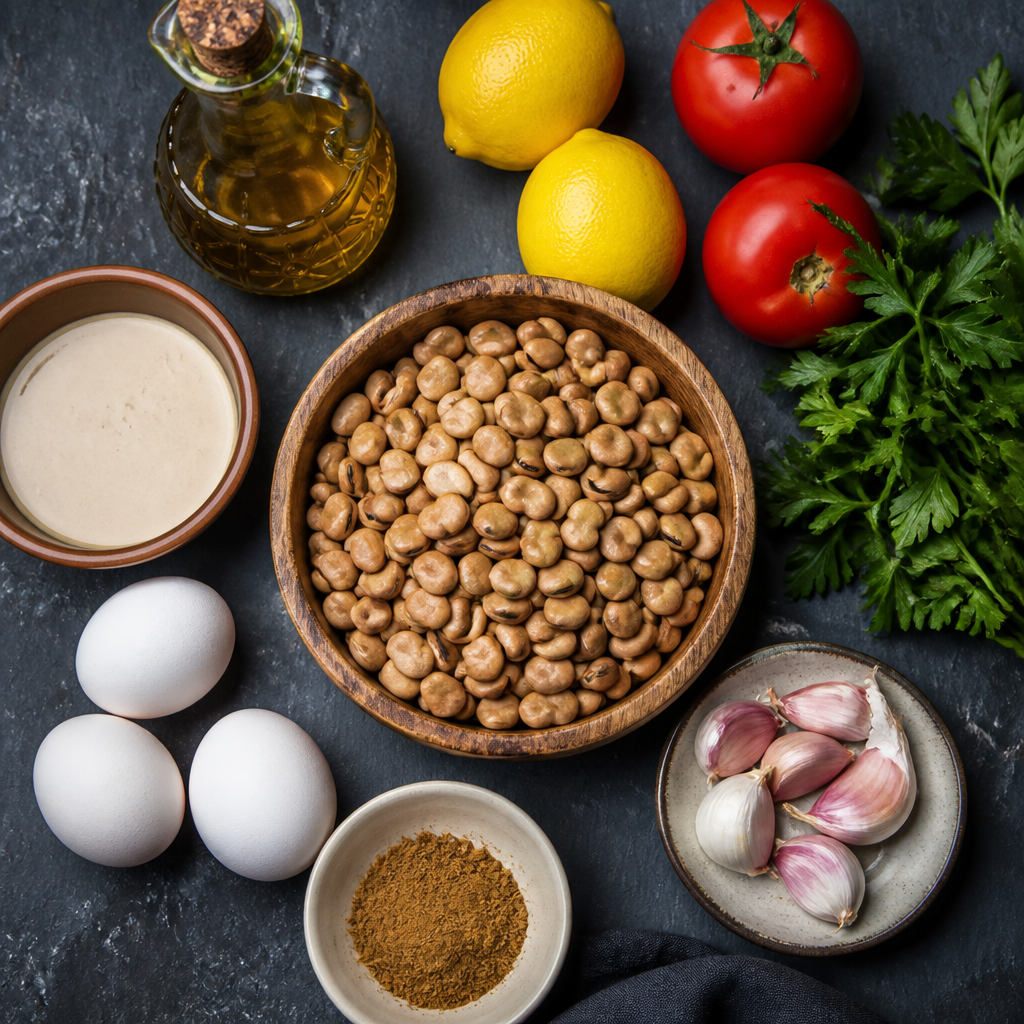
- Dried fava beans: The small brown variety (sometimes labeled ful or Egyptian fava) is traditional. Soak them overnight before cooking.
- Canned fava beans: A convenient shortcut that turns ful into a fast weeknight meal; drain and warm them gently.
- Chickpeas or brown lentils: A small handful cooked alongside the favas is a common Egyptian touch that adds texture.
The Dressing
- Extra-virgin olive oil: Generous and good quality; it carries the whole dish.
- Fresh lemon juice: Essential brightness to lift the earthy beans.
- Garlic: Crushed raw or gently warmed, for a savory backbone.
- Ground cumin: The defining spice of ful; add salt and black pepper to taste.
The Toppings
- Chopped tomato and parsley: For freshness, color, and crunch.
- Tahini: A creamy, nutty swirl that turns ful especially rich.
- Hard-boiled egg: Sliced on top, a classic and protein-packed finish.
- Optional extras: Sliced onion, chopped chili or a dash of hot sauce, pickles, and warm pita for scooping.
Step-by-Step Insights
Ful medames rewards patience, but it is genuinely simple. Here is the flow from dried beans to a finished bowl (with a canned-bean shortcut for busy mornings).
- Soak: Cover dried fava beans with plenty of cold water and soak overnight, or at least 8 hours. They will roughly double in size.
- Simmer low and slow: Drain, cover with fresh water, and cook gently for 1.5 to 3 hours until completely tender. A slow, steady simmer is the goal — never a hard boil. Add a handful of chickpeas or lentils if you like.
- Season the pot: Once the beans are soft, stir in salt. Lightly mash a portion of the beans against the side of the pot so the mixture turns creamy while leaving many beans whole.
- Dress it: Off the heat (or in each bowl), add crushed garlic, a generous pour of olive oil, plenty of fresh lemon juice, and ground cumin. Taste and adjust — ful should be bright, savory, and well seasoned.
- Top and serve: Scoop into bowls and finish with chopped tomato, parsley, a swirl of tahini, sliced hard-boiled egg, and an extra drizzle of oil. Serve warm with pita.
- Shortcut version: For a fast breakfast, warm two cans of drained fava beans with a splash of water, mash lightly, then dress and top exactly as above — ready in about 15 minutes.
Expert Tips
- Do not rush the simmer. Fully tender beans are what give ful its creamy soul; undercooked favas stay tough no matter how long you dress them.
- Salt at the end. Adding salt too early can slow the beans from softening, so wait until they are nearly tender.
- Mash only part of the pot. The best ful has a mix of creamy base and intact whole beans for texture — do not purée it smooth.
- Be generous with oil and lemon. These are not garnishes; they define the dish. Under-dressed ful tastes flat.
- Warm the garlic if you prefer it mellow. Raw garlic is punchy and traditional, but a quick warm-through in the oil softens its bite.
- Set it up the night before for Shabbat. Cook the beans on Friday, then simply warm and dress on Saturday morning.
Common Mistakes to Avoid
- Undercooking the beans: Tough favas ruin the texture. Cook until they crush easily between two fingers.
- Skipping the soak: Unsoaked dried favas take far longer to cook and often stay unevenly firm. Always soak overnight.
- Boiling too hard: A rolling boil can split beans unattractively and cloud the pot. Keep it at a lazy simmer.
- Under-seasoning: Ful needs assertive salt, cumin, lemon, and oil. Taste and adjust before serving — bland ful disappoints.
- Over-mashing into a paste: Ful should have body and whole beans, not the smooth texture of hummus.
- Serving it cold: Ful is meant to be warm. Cold beans taste dull and the oil congeals; gently reheat leftovers.
Conclusion
Ful medames is proof that the most enduring foods are often the simplest. A pot of dried beans, a slow simmer, and a handful of pantry staples become a breakfast that has satisfied people for thousands of years — including generations of Egyptian Jews who made it the heart of Shabbat mornings and everyday tables alike.
Give the beans the unhurried cooking they deserve, dress them boldly, and pile on the toppings you love. When you scoop up that first warm, garlicky, lemony bite with a piece of pita, you will taste why this ancient dish has traveled so far and stayed so beloved — and why it belongs in far more kitchens than it currently reaches.
Key Takeaways
- Ful medames is an ancient Egyptian dish of slow-cooked fava beans dressed with olive oil, lemon, garlic, and cumin.
- For Egyptian Jews it was a beloved Shabbat and everyday breakfast, cooked slowly overnight much like cholent.
- The method is simple: soak, simmer low and slow, lightly mash, then dress boldly and pile on fresh toppings.
- It is naturally vegetarian, high in protein and fiber, inexpensive, and endlessly customizable.
- The dish is a living link to Egypt's ancient Jewish community, now dispersed across Israel, Europe, and the Americas.
Frequently Asked Questions
What does ful medames taste like?
Ful medames is earthy, savory, and comforting, with creamy fava beans brightened by lemon and garlic and warmed by cumin. Toppings like tomato, parsley, tahini, and egg add freshness and richness.
Can I use canned fava beans for ful medames?
Yes. Canned favas make an excellent shortcut. Just drain them, warm gently with a splash of water, mash lightly, then dress with oil, lemon, garlic, and cumin and add your toppings — ready in about 15 minutes.
Is ful medames kosher?
Ful medames is naturally pareve (containing neither meat nor dairy) when made with beans, oil, and vegetables, making it easy to serve at any kosher meal. Adding a hard-boiled egg keeps it pareve as well.
Why was ful medames popular for Shabbat?
Because it cooks slowly overnight in a covered pot, ful could be started before sundown on Friday and eaten warm on Saturday morning without fresh cooking — much like the Ashkenazi cholent tradition.
What do you serve with ful medames?
Ful is traditionally eaten warm and scooped up with pita or flatbread. It pairs well with hard-boiled eggs, fresh vegetables, olives, pickles, cheese, and hot tea as part of a leisurely breakfast spread.
Loved this recipe?
Share it with your family, leave a comment, and explore more traditional and modern Jewish dishes on JewishCuisine.
Explore more Traditional recipes