Sabich: The Iraqi-Jewish Eggplant Pita That Took Over Israel's Streets
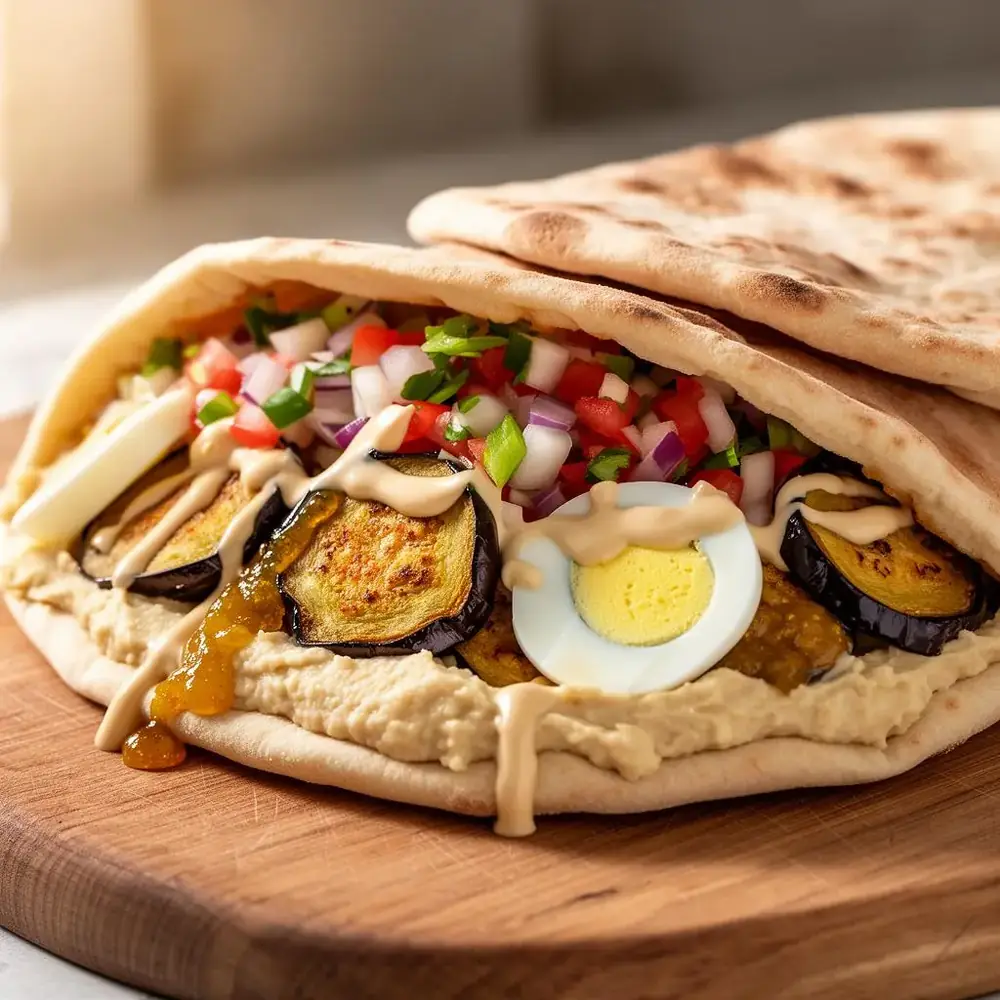
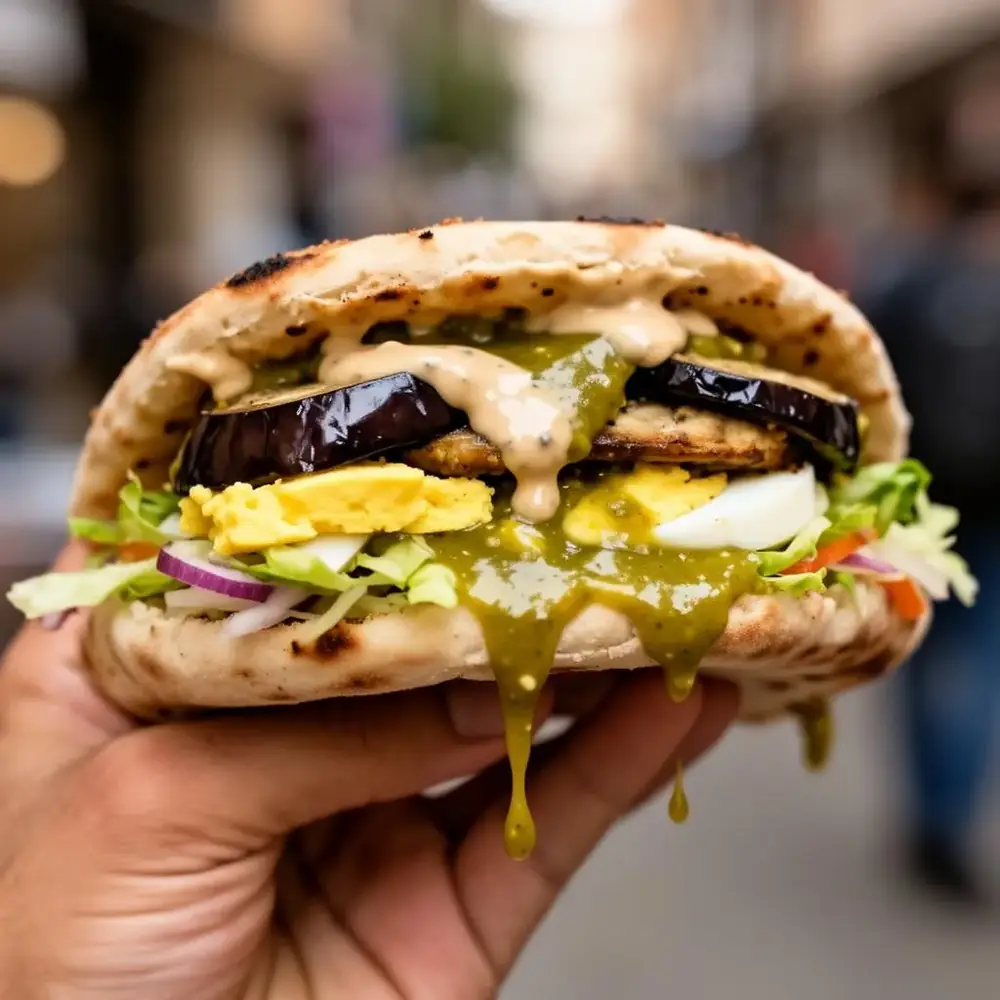
Some sandwiches feed you. Sabich feeds you and tells you a story. Crack open a warm pita and you'll find layers of golden fried eggplant, a soft-set egg, a smear of hummus, a confetti of cold Israeli salad, a slick of tahini, and a tangy, almost electric streak of amba. It is messy, generous, deeply savory, and completely addictive — a vegetarian street-food masterpiece that somehow tastes like a full holiday meal folded into one hand.
Right now sabich is having a real moment. As more people look for satisfying meat-free meals and discover the depth of Mizrahi and Iraqi-Jewish cooking, this once-humble breakfast has gone from a neighborhood secret to a global obsession, popping up on menus from Tel Aviv to New York to London. Search interest keeps climbing, and for good reason: it is plant-based without trying to be, endlessly customizable, and built almost entirely from pantry staples.
The good news is that sabich is forgiving and fun to assemble at home. There is no dough to braid and no roast to babysit — just a handful of components you can make ahead, then layer into a pita however your heart desires. This guide walks you through every element, the history behind it, and the small tricks that turn a good sabich into an unforgettable one.
What Exactly Is Sabich?
Sabich (pronounced sah-BEEKH) is a stuffed pita sandwich whose defining ingredients are fried eggplant and hard-boiled or slow-cooked eggs. Around that core, you build with hummus, tahini, fresh chopped salad, pickles, and amba — a tangy, fermented mango sauce that gives sabich its signature funky brightness. It is almost always vegetarian, often vegan if you skip the egg, and it is meant to be eaten standing up, dripping a little down your wrist.
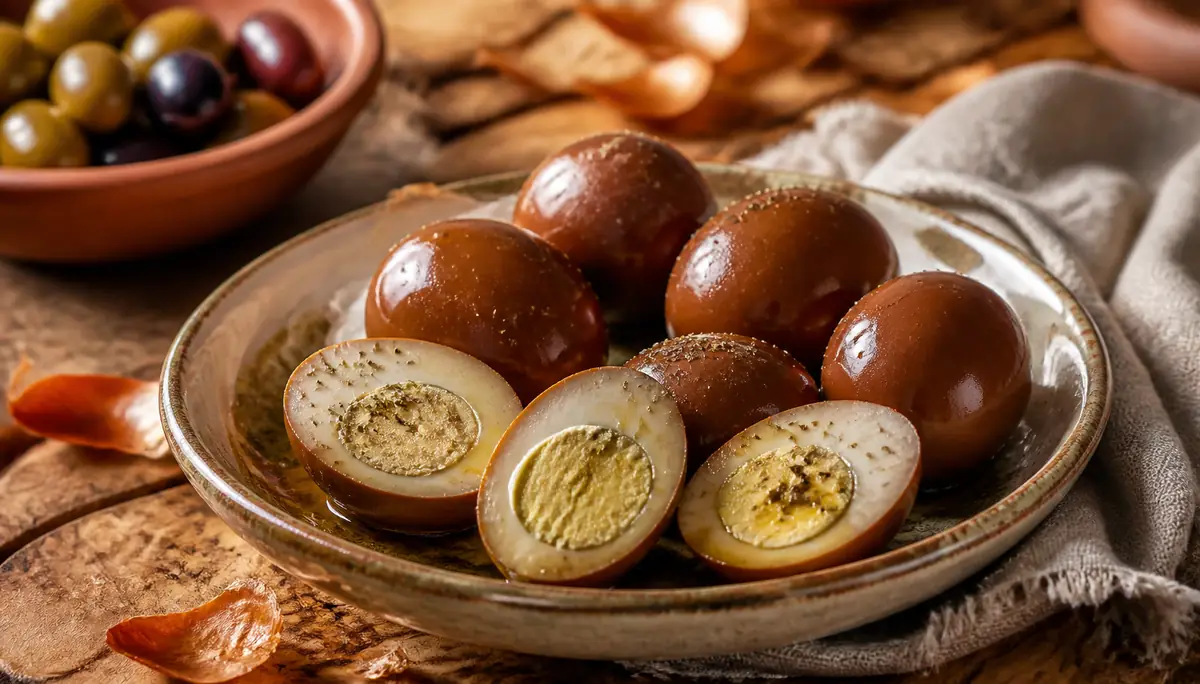
Its roots lie in the Iraqi-Jewish community. For Iraqi Jews, fried eggplant and eggs were a traditional Shabbat morning dish — the eggs (called beid hamine) were cooked low and slow overnight so they would be ready to eat after synagogue, since cooking on Shabbat is forbidden. When Iraqi Jews immigrated to Israel in the mid-twentieth century, they brought that breakfast with them, and it eventually migrated from the home table into the pita and onto the street.
What Makes This Recipe Special?
There are plenty of stuffed-pita recipes online, but sabich lives or dies on balance. This version focuses on getting each component right so the whole thing sings rather than turning to mush.
- Properly fried eggplant — salted, dried, and cooked until silky and deeply golden, never greasy or bitter.
- A make-ahead game plan so you can assemble four sandwiches in minutes when hunger strikes.
- A real Israeli salad, finely diced and dressed at the last second for maximum crunch.
- Guidance on amba, the one ingredient that makes sabich taste like sabich — plus what to do if you can't find it.
- Naturally vegetarian and easily made vegan, kosher-friendly, and perfect for breakfast, lunch, or a casual dinner.
Ingredients
For the Fried Eggplant
- 2 medium globe eggplants, sliced into ½-inch rounds
- Kosher salt, for drawing out moisture
- Neutral oil (such as canola or sunflower), for shallow frying
For Assembling (makes 4 pitas)
- 4 fresh pita breads, preferably pocket pitas, warmed
- 4 to 6 eggs, hard-boiled (or slow-cooked beid hamine, see below)
- 1 cup hummus, store-bought or homemade
- ½ cup good tahini sauce, loosened with lemon and water
- Amba sauce, to taste (Iraqi pickled-mango condiment)
- Pickles and pickled chilies (such as amba-spiced or dill), sliced
- Optional: zhug (spicy green herb sauce) for heat
For the Israeli Salad
- 2 firm tomatoes, finely diced and seeds removed
- 2 Persian or 1 English cucumber, finely diced
- ¼ red onion, finely diced
- 2 tablespoons chopped fresh parsley
- Juice of ½ lemon, 1 tablespoon olive oil, salt and pepper
Step-by-Step Instructions
Step 1: Salt and Drain the Eggplant
- Lay the eggplant rounds on a rack or paper towels and salt both sides generously.
- Let them sit for 30 to 45 minutes. You'll see beads of moisture appear — this draws out bitterness and helps the slices fry up creamy instead of soggy.
- Pat each slice completely dry with paper towels before frying. Dry eggplant is the secret to a clean, golden crust.
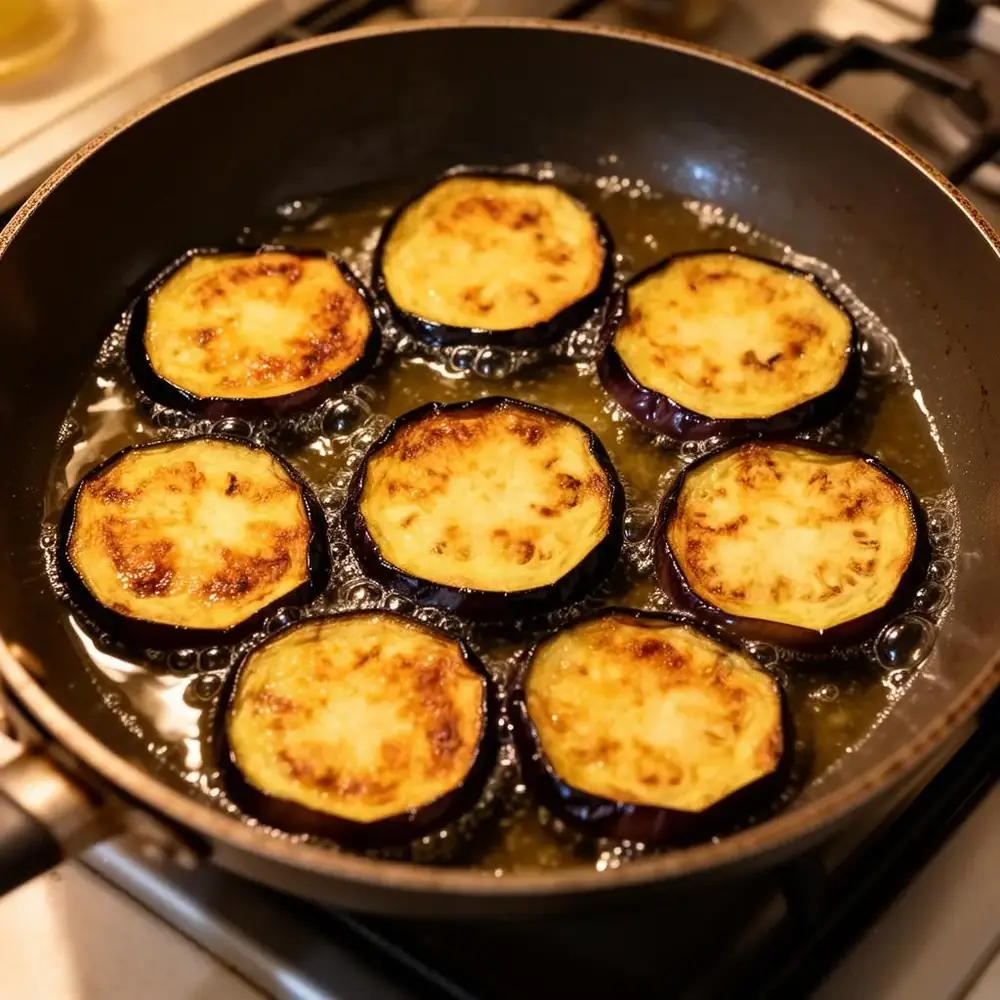
Step 2: Fry Until Golden
- Heat about ¼ inch of neutral oil in a wide skillet over medium-high heat until shimmering.
- Fry the eggplant in a single layer, without crowding, 3 to 4 minutes per side until deeply golden and tender all the way through.
- Drain on a paper-towel-lined plate and season with a pinch of salt while hot. For a lighter version, brush slices with oil and roast at 425°F (220°C) for about 25 minutes, flipping halfway.
Step 3: Make the Eggs
- For classic hard-boiled eggs, boil for 9 to 10 minutes, then cool in ice water and peel.
- For traditional beid hamine, simmer eggs in their shells on very low heat for 6 or more hours (often with onion skins for color); the whites turn creamy beige and the flavor deepens beautifully.
- Slice the eggs just before assembling so the yolks stay vivid.
Step 4: Toss the Salad and Sauces
- Combine the diced tomato, cucumber, onion, and parsley. Dress with lemon, olive oil, salt, and pepper right before serving so it stays crisp.
- Whisk the tahini with lemon juice and cold water until it's pourable and creamy.
- Have the amba, pickles, and any hot sauce within easy reach — assembly goes fast.
Step 5: Build Your Sabich
- Warm each pita until soft and pliable, then open the pocket (or lay it flat to fold like a taco).
- Spread a layer of hummus inside, then add a generous fan of fried eggplant.
- Tuck in sliced egg, spoon over the Israeli salad, and add pickles.
- Finish with a drizzle of tahini, a streak of amba, and zhug if you like heat. Eat immediately, over a plate.
The order matters: hummus to anchor, eggplant for richness, salad for crunch, then tahini and amba to tie it all together. Build in layers and every bite will have a little of everything.
All About Amba
If there is one ingredient that defines sabich, it is amba. This bright, tangy, golden sauce is made from pickled green mango spiced with fenugreek, turmeric, mustard, and chili. Iraqi Jews brought it to Israel, where it became the soul of both sabich and shawarma. Its funky, fruity sharpness cuts through the richness of the fried eggplant and creamy tahini in a way nothing else quite manages.
You can find bottled amba in Middle Eastern markets and many international grocery stores, and it keeps for months in the fridge. If you truly can't get it, a small amount of mango chutney loosened with lemon juice and a pinch of turmeric and fenugreek makes a passable stand-in — but if you can track down the real thing, do. It is what makes sabich taste like sabich.
Variations to Try
- Vegan sabich: skip the egg, double the hummus, and add a handful of warm chickpeas.
- Spicy sabich: layer in extra zhug or harissa and pickled chilies.
- Salad-bowl sabich: serve all the components over greens or rice for a grain-bowl version, no pita required.
- Brunch sabich: swap hard-boiled eggs for a soft, jammy 7-minute egg or a quick fried egg.
- Extra-creamy: add a spoonful of mashed avocado or extra tahini for richness.
Make-Ahead & Storage Tips
Sabich is built for batch prep. Fry the eggplant up to two days ahead and store it covered in the fridge; rewarm it gently or bring it to room temperature before serving. Hard-boiled eggs keep for up to a week, hummus and tahini sauce hold for several days, and the only thing you should make fresh is the Israeli salad, which loses its crunch once dressed.
Sabich is proof that the most beloved foods are often the most humble: a Shabbat breakfast of eggs and eggplant, reinvented as a sandwich and embraced by an entire country. Make it once and you'll understand why Israelis line up for it on a Saturday morning. Build your own version, write down what you love, and let it become a regular in your kitchen.
Key Takeaways
- Sabich is an Iraqi-Jewish stuffed pita built around fried eggplant and eggs, layered with hummus, Israeli salad, tahini, and amba.
- It began as a slow-cooked Shabbat breakfast and became one of Israel's most popular vegetarian street foods.
- Salting and thoroughly drying the eggplant before frying is the key to a silky, non-greasy result.
- Amba — tangy pickled-mango sauce — is the signature flavor; bottled amba keeps for months in the fridge.
- Most components can be made ahead, so you can assemble fresh sabich in minutes any day of the week.
Frequently Asked Questions
What is sabich made of?
Sabich is a pita sandwich filled with fried eggplant and hard-boiled or slow-cooked eggs, plus hummus, tahini, fresh Israeli salad, pickles, and amba (a tangy pickled-mango sauce). It is vegetarian and easily made vegan.
What does sabich taste like?
Sabich is savory, creamy, and tangy all at once — silky fried eggplant and soft egg are balanced by crunchy salad, nutty tahini, and the bright, fermented kick of amba. Every bite layers warm and cold, rich and fresh.
Is sabich healthy and vegetarian?
Sabich is always vegetarian and naturally dairy-free. It's rich in plant-based ingredients like eggplant, chickpea hummus, and fresh vegetables. To lighten it, roast the eggplant instead of frying, and to make it vegan simply leave out the egg.
What can I use instead of amba?
Amba is the signature sauce, but if you can't find it, loosen a little mango chutney with lemon juice and add a pinch of turmeric and fenugreek for a quick substitute. For the most authentic flavor, look for bottled amba in Middle Eastern grocery stores.
Loved this recipe?
Share it with your family, leave a comment, and explore more traditional and modern Jewish dishes on JewishCuisine.
Explore more Traditional recipes