Ka'ak bi Simsim: The Aleppo Jewish Sesame Ring Cookie Winning New Fans
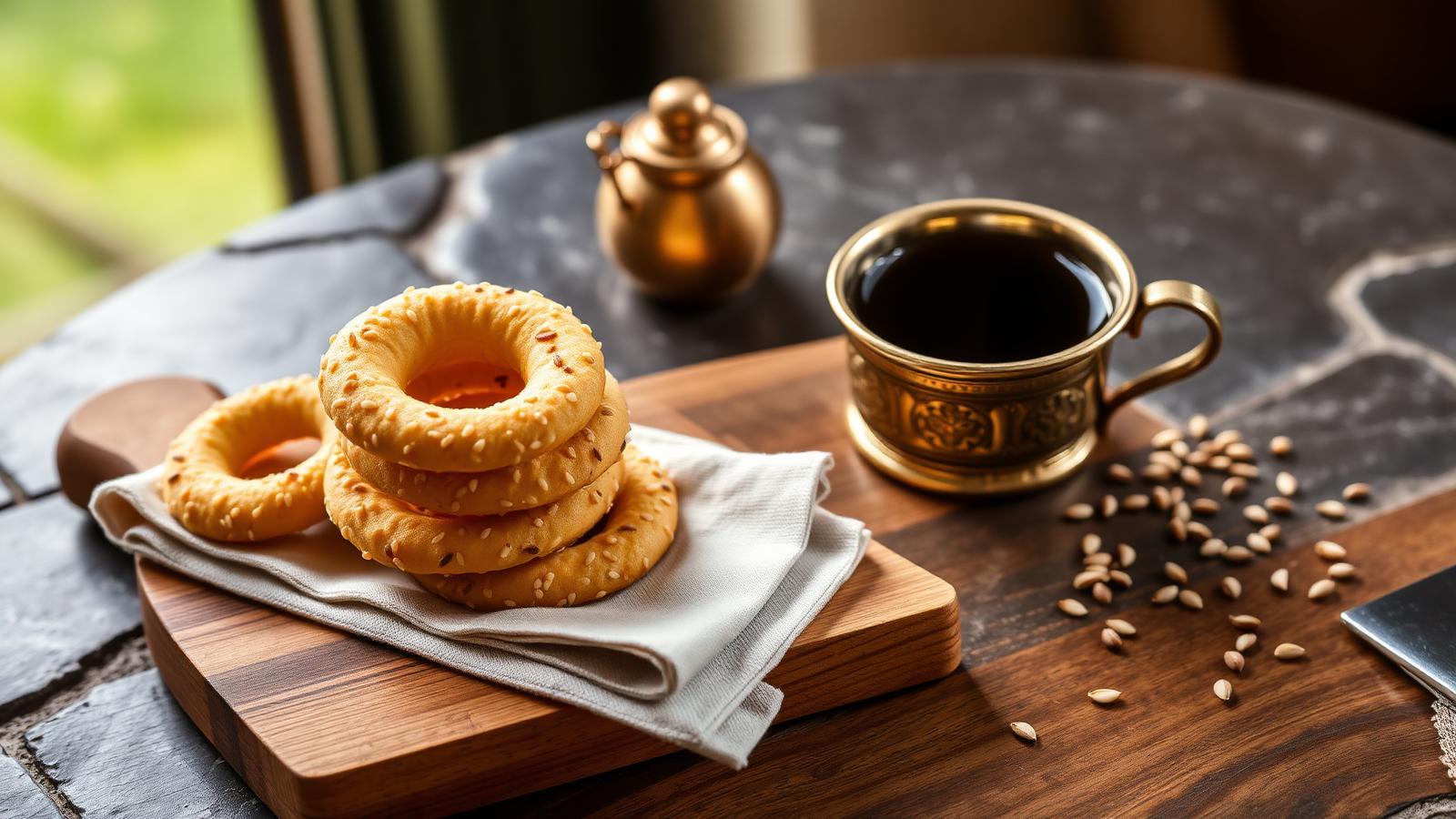
In an Aleppo Jewish home, a tin of ka'ak bi simsim is not really a dessert. It is a fixture. The little sesame-crusted rings sit on the counter for morning coffee, come out again for guests in the afternoon, and turn up at the Shabbat table with tea and fruit. They are barely sweet, quietly perfumed with anise and mahleb, and shatter with a clean crunch that gives way to a tender crumb. Once you have had a good one, plain sugar cookies feel a little dull.
These cookies traveled with the Syrian Jewish community from Aleppo and Damascus to Brooklyn, Mexico City, Buenos Aires, and Deal, New Jersey, changing very little along the way. That constancy is part of their charm. This guide walks through where ka'ak bi simsim come from, why they are having a fresh moment online, and exactly how to shape and bake them at home without the classic pitfalls.
Table of Contents
- A Brief History of Ka'ak in Syrian Jewish Kitchens
- Why Ka'ak bi Simsim Is Trending
- Ingredients and Key Concepts
- Step-by-Step Recipe
- Expert Tips
- Common Mistakes to Avoid
- FAQs
- Key Takeaways
- Conclusion
A Brief History of Ka'ak in Syrian Jewish Kitchens
The word ka'ak is an umbrella term across the Arabic-speaking world for ring-shaped breads and cookies, and versions of it stretch back centuries. Syrian Jewish cooking developed its own compact, crunchy version scented with mahleb (the ground kernel of a wild cherry pit) and studded with anise and toasted sesame. Historians who track Middle Eastern Jewish foodways note that these seed- and spice-forward cookies made sense in Aleppo, a city that sat on centuries-old spice routes and where sesame, anise, and mahleb were staples in the pantry.
For Aleppo Jews, ka'ak became a Sunday-baking ritual and a Shabbat mainstay: pareve, shelf-stable, easy to pack, and endlessly welcoming with a glass of tea. When the community was uprooted through the twentieth century — many families leaving Syria in the 1940s and again after 1992 — the recipes traveled with them. Today the recipe survives almost intact in Syrian Jewish communities from Ocean Parkway to the Gulf, where grandmothers still measure by handfuls and teach the ring shape by feel.
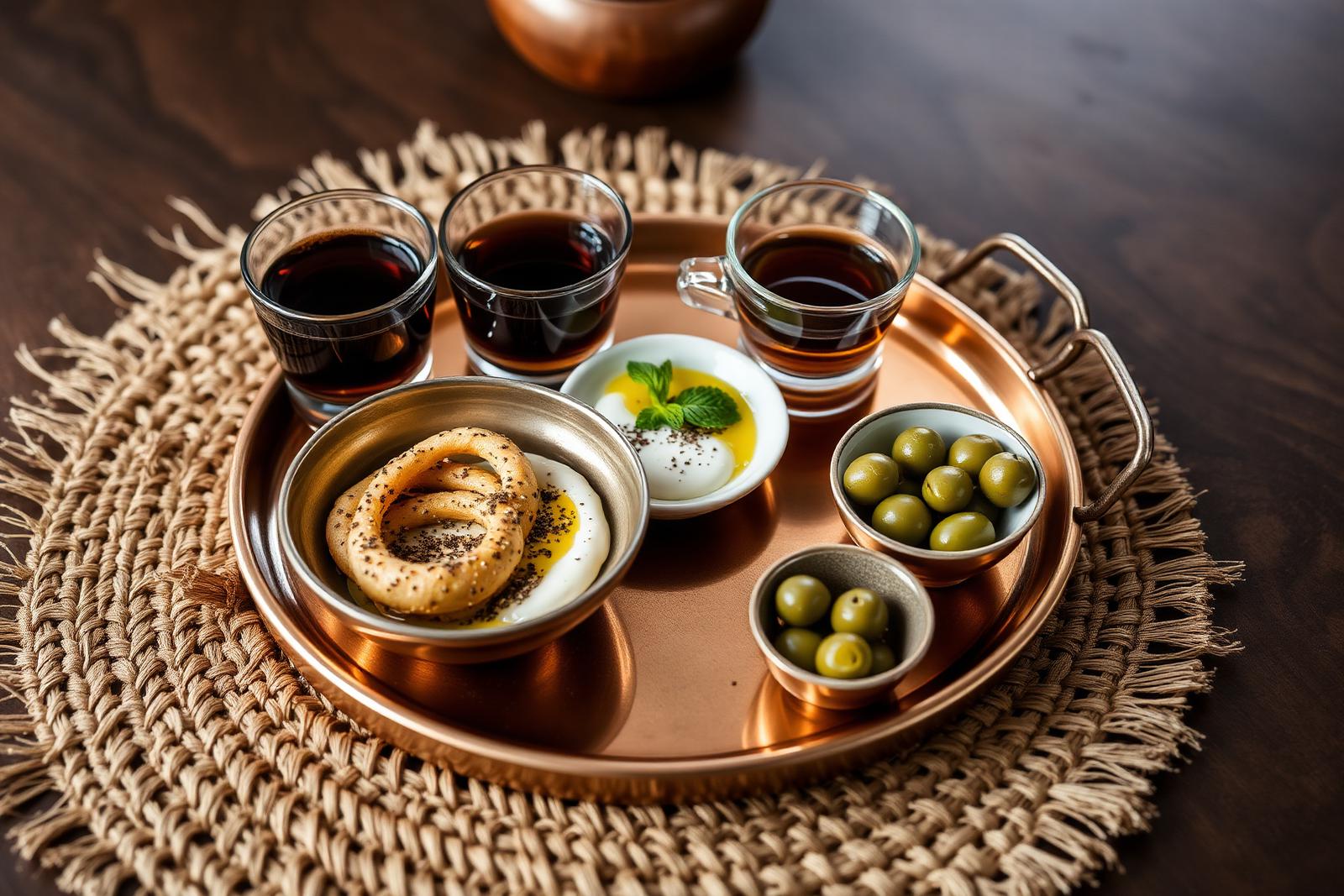
There is also a symbolic layer. The ring shape shows up across Jewish baking — think Jerusalem bagels, Sephardic biscochos, and Yemenite savory rings — often standing in for continuity and community, an unbroken circle. In Syrian homes, that reading is quiet rather than sermonized; the cookies simply belong to the rhythm of the week.
Why Ka'ak bi Simsim Is Trending
Search interest in Syrian Jewish baking, and ka'ak in particular, has been rising steadily on food blogs and short-video platforms. A few things are pushing it forward at once. First, home bakers are moving past the well-trodden Ashkenazi canon and hunting for cookies that are less sweet, more spiced, and better suited to coffee than dessert. Ka'ak bi simsim fits that request almost perfectly.
Second, the cookies photograph and film beautifully. The rolling of ropes, the shaping into rings, and the dip into a plate of sesame seeds are exactly the kind of tactile steps that do well on cooking videos. Third, mahleb and nigella — once niche pantry items in American kitchens — are now easy to find online and at Middle Eastern groceries, opening the recipe to bakers who could not source it a few years ago.
Ingredients and Key Concepts
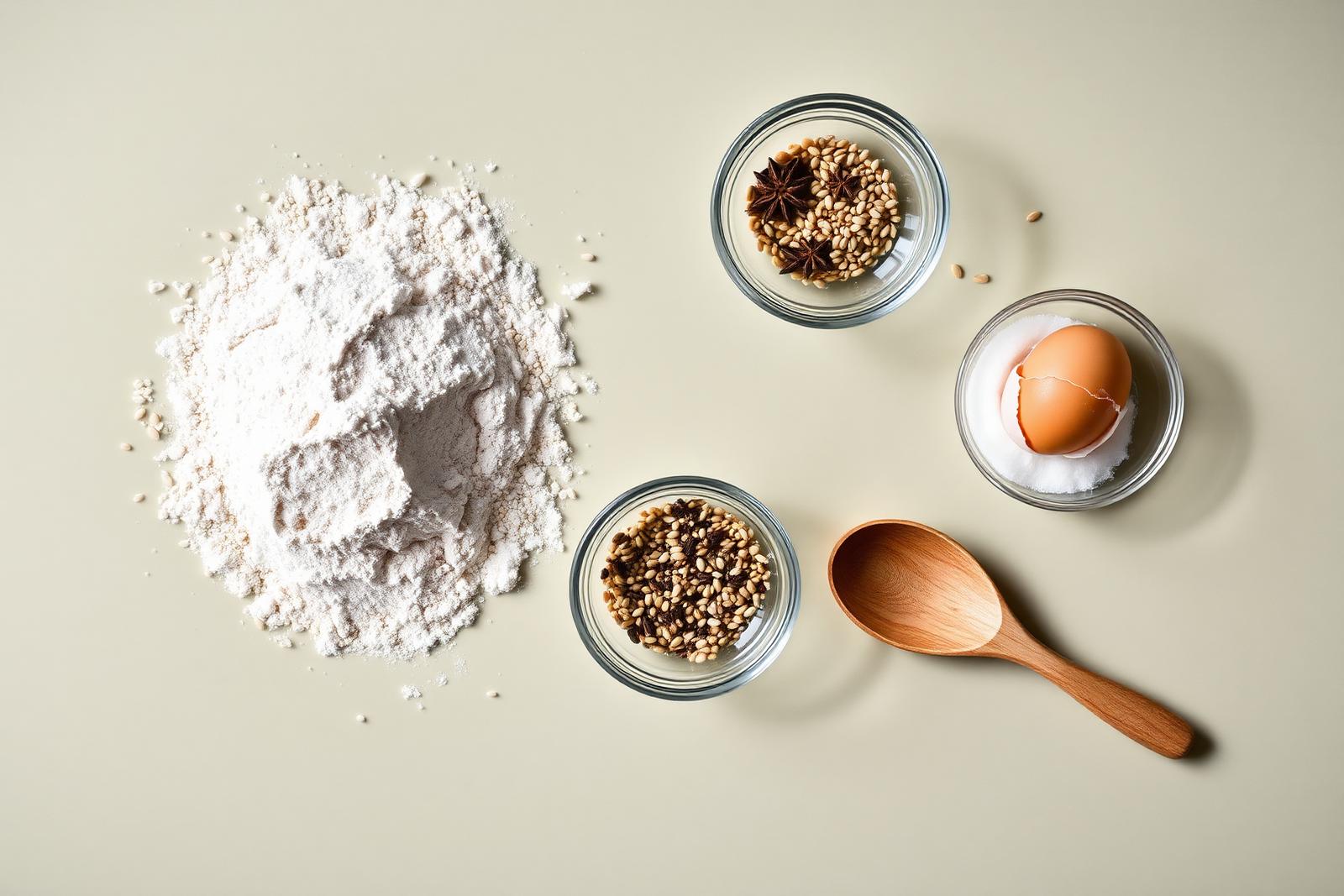
The dough is short and oil-based rather than butter-based, which is what gives ka'ak their signature clean snap. Because there is no butter or milk in the classic recipe, the cookies are pareve — perfectly fine after a meat meal, which is one reason they became a Shabbat staple. Below is the working list for roughly 40 to 50 small rings.
For the Dough
- 4 cups (500 g) all-purpose flour
- 1/2 cup (100 g) granulated sugar
- 1 tablespoon baking powder
- 1/2 teaspoon fine salt
- 1 teaspoon ground anise seed
- 1 teaspoon ground mahleb (optional but very traditional)
- 1 teaspoon nigella seeds (habbat al-baraka), optional
- 3/4 cup (180 ml) mild olive oil or neutral oil
- 2 large eggs
- 2/3 cup (160 ml) warm water, added gradually
- 1 teaspoon vanilla extract or 1 tablespoon orange blossom water
For Coating
- 1 large egg, beaten with 1 teaspoon water (egg wash)
- 1 heaping cup white sesame seeds, spread on a shallow plate
Step-by-Step Recipe
Step 1: Mix the Dry and Wet Separately
- In a large bowl, whisk together flour, sugar, baking powder, salt, anise, mahleb, and nigella seeds until evenly distributed.
- In a separate bowl, whisk oil, eggs, and vanilla (or orange blossom water) until smooth.
- Pour the wet mixture into the dry and stir with a spatula, then add the warm water a splash at a time.
- Stop adding water as soon as the dough comes together — you want it firm but pliable, not sticky.
Step 2: Knead and Rest
- Turn the dough onto a clean surface and knead gently for 3 to 4 minutes until smooth.
- Cover with plastic wrap or a clean towel and let it rest at least 20 minutes.
- The rest hydrates the flour evenly, which is what keeps the finished cookies tender rather than tough.
Step 3: Shape the Rings
- Preheat the oven to 350°F (175°C) and line two baking sheets with parchment.
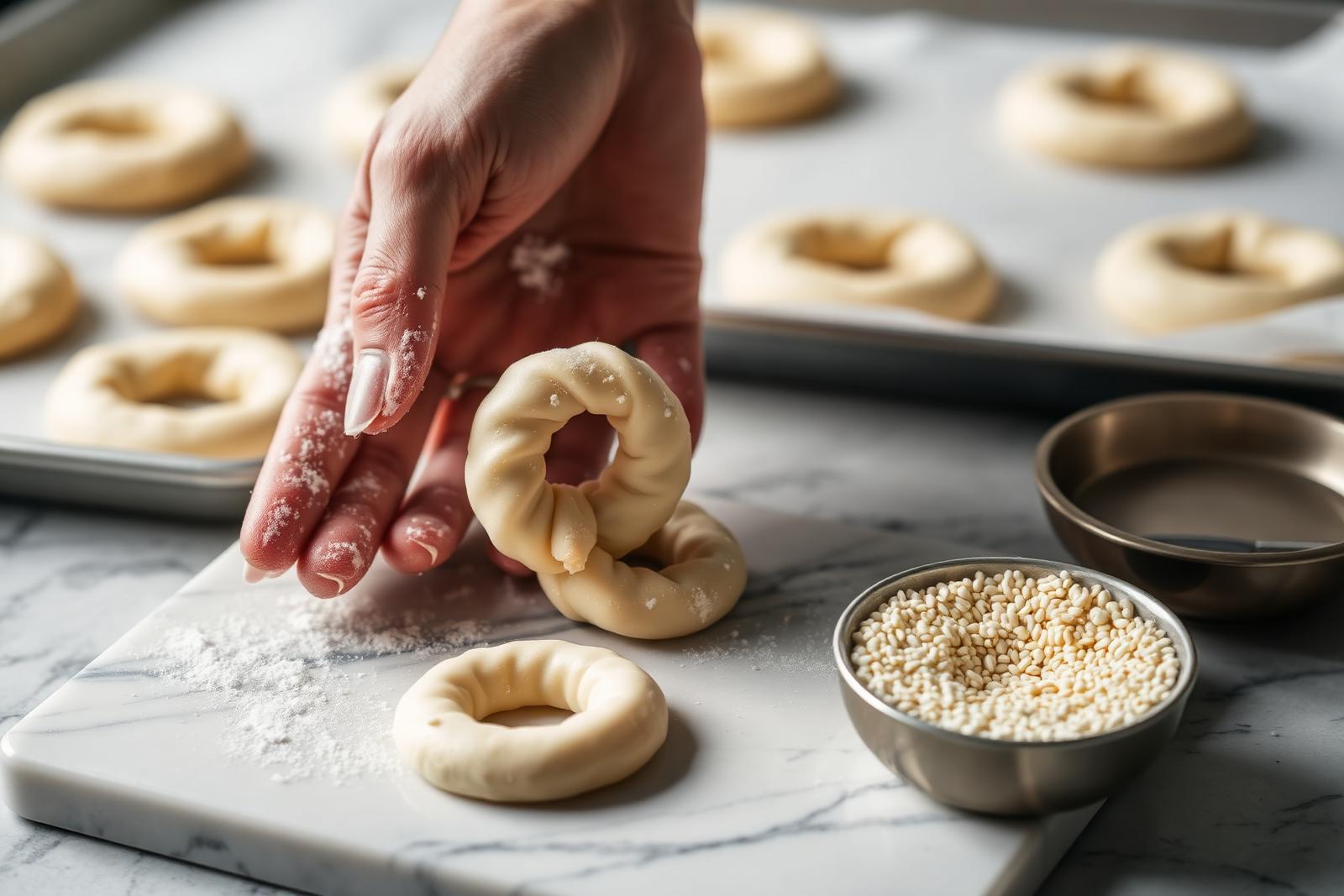
- Pinch off pieces about the size of a walnut (roughly 20 to 25 g).
- Roll each into a rope about 4 to 5 inches long and 1/3 inch thick.
- Join the ends and pinch to seal, creating a small ring roughly the diameter of a quarter's outer edge.
- Don't overwork the dough; a couple of ridges from your fingers is traditional, not a flaw.
Step 4: Egg Wash and Sesame
- Brush each ring generously with egg wash on all sides.
- Press the top of the ring into the plate of sesame seeds, then lift and place seed-side up on the parchment.
- Leave about an inch of space between rings; they spread only slightly.
Step 5: Bake Low and Slow
- Bake 20 to 25 minutes, rotating pans halfway through, until deeply golden all the way through — not pale.
- Ka'ak get their signature crunch from being fully baked, not from a long resting time.
- Cool completely on a rack before storing in an airtight tin.
The finished cookie should snap cleanly, smell faintly of toasted sesame and anise, and taste barely sweet — think of it as a savory cousin of shortbread.
Expert Tips
- Toast your sesame seeds lightly in a dry pan before coating; it deepens the flavor without risking burning during baking.
- Weigh the dough balls for uniform rings — the difference between a 20 g and a 30 g cookie is a full extra minute in the oven.
- Use fresh spices. Ground anise and mahleb lose their punch quickly; buy small quantities and store them in the freezer.
- For a slightly softer cookie, brush with a second thin coat of egg wash before the sesame — the extra moisture keeps the crumb tender.
- Bake one test cookie first if you are new to the recipe; adjust water or flour by a tablespoon before committing the whole batch.
Common Mistakes to Avoid
- Adding all the water at once, which turns the dough sticky and hard to shape — always dribble it in.
- Under-baking. Pale ka'ak stay chewy in a bad way; they need real color for that clean snap.
- Skipping the egg wash, which is what glues the sesame on so it does not fall off in the tin.
- Making the rings too thick, which leaves the center doughy while the outside browns.
- Storing while still warm — trapped steam softens the crust. Cool completely first.
Get the ratio right, bake them a shade darker than feels comfortable, and ka'ak bi simsim reward you every time you open the tin. They are the kind of cookie you keep reaching for without quite noticing — which is, in a sense, exactly what a good household staple is supposed to do.
Key Takeaways
- Ka'ak bi simsim are Syrian Jewish sesame-and-anise ring cookies, pareve and lightly sweet.
- The dough is oil-based, which gives the finished cookies their clean, sturdy snap.
- Mahleb and anise are the signature spices; nigella seeds are traditional but optional.
- Bake until deeply golden all the way through — pale cookies stay chewy, not crisp.
- They keep beautifully in a tin for a week and travel well, which is why they suit Shabbat, holidays, and gifting.
Frequently Asked Questions
What does ka'ak bi simsim taste like?
They are lightly sweet, faintly perfumed with anise and mahleb, and topped with toasted sesame. Think of them as a savory-leaning shortbread — designed for coffee or tea rather than dessert.
Can I make ka'ak bi simsim without mahleb?
Yes. The cookies are still delicious with just anise and sesame. If you want to approximate mahleb's cherry-almond note, add a tiny pinch of ground almond and a drop of almond extract.
Why did my ka'ak turn out soft instead of crunchy?
Almost always under-baking. Ka'ak need real color and a full 20 to 25 minutes at 350°F. Cooling them completely on a rack before storing also matters — trapped steam softens the crust.
Are ka'ak bi simsim dairy or pareve?
Traditional Syrian Jewish ka'ak are pareve — made with oil, not butter or milk — which is why they show up after meat meals and travel easily between Shabbat tables.
How long do ka'ak bi simsim keep?
Stored in an airtight tin at room temperature, they stay crisp for at least a week and often two. If they soften, a few minutes in a low oven will revive them.
Loved this recipe?
Share it with your family, leave a comment, and explore more traditional and modern Jewish dishes on JewishCuisine.
Explore more Desserts recipes