Cold Beet Borscht: The Ruby-Red Summer Soup Jewish Kitchens Swear By
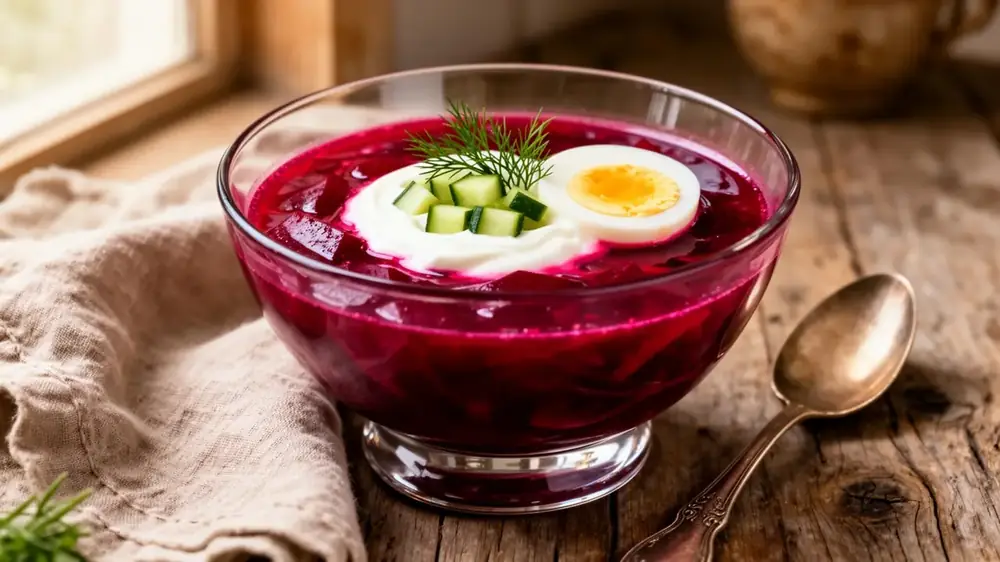
When the summer heat settles in, few dishes feel as restorative as a chilled bowl of beet borscht. Brilliantly pink, gently sour, and finished with a cooling swirl of sour cream, it's the kind of soup that wakes up the appetite instead of weighing it down. For generations of Jewish families, this ruby-red bowl has been the unofficial taste of summer.
Cold beet borscht is humble food in the best sense: a few inexpensive vegetables, a little patience, and an old kitchen wisdom about balancing sweet and tart. It's vegetarian, naturally gluten-free, and brimming with the earthy sweetness of beets. Served icy cold on a sweltering afternoon, it tastes like something between a soup and a refreshment.
This guide covers everything you need: where borscht comes from, why it's trending again, the handful of ingredients that matter, and a foolproof method for a bright, balanced bowl every time. Whether you grew up with it or are tasting it for the first time, you'll find a version worth making all summer long.
Table of Contents
- What Makes This Recipe Special?
- A Little Borscht History & Culture
- Why Cold Borscht Is Trending Again
- Ingredients You'll Need
- Step-by-Step Instructions
- Expert Tips for Perfect Borscht
- Common Mistakes to Avoid
- Frequently Asked Questions
- Key Takeaways
- Conclusion
What Makes This Recipe Special?
Great cold borscht is all about balance: deep, earthy beets brightened with just enough acid and a touch of sweetness, all served cold enough to be genuinely refreshing. This version keeps things simple and clean so the beets shine, with clear cues so you can dial the flavor exactly to your taste.
- A naturally vibrant, ruby-red broth built from fresh beets — no shortcuts.
- A bright sweet-and-sour balance you adjust with lemon and a little sugar.
- Vegetarian, gluten-free, and easy to make pareve or dairy.
- Make-ahead friendly — it actually tastes better after a night in the fridge.
A Little Borscht History & Culture
Borscht traces its roots to Eastern Europe, where beets grew well and stored through long winters. As Jewish communities flourished across Ukraine, Poland, Russia, and beyond, beet borscht became a staple of the Ashkenazi kitchen — affordable, nourishing, and endlessly adaptable. The hot version warmed bodies through frigid winters, while the cold version cooled them through humid summers.
For many Jewish families, cold borscht is tied to Shavuot and the dairy meals of late spring and summer, served with a generous dollop of sour cream and a boiled potato or hard-cooked egg. It became so beloved among American Jews that the Catskills resort region was once affectionately nicknamed the 'Borscht Belt.' Few soups carry that much cultural memory in a single bowl.
Why Cold Borscht Is Trending Again
Beets have become a darling of modern healthy eating, prized for their fiber, folate, and natural nitrates linked to heart health. As cooks look for vibrant, plant-forward dishes that photograph beautifully, that electric-pink bowl of borscht is practically made for social media — and it happens to be genuinely good for you.
There's also a wider revival of heritage Ashkenazi cooking. As home cooks rediscover their grandparents' recipes and chefs reimagine Jewish classics on modern menus, cold borscht fits perfectly: it's nostalgic, refreshing, naturally vegetarian, and ideal for the warm-weather entertaining people crave.
Ingredients You'll Need
For the Borscht
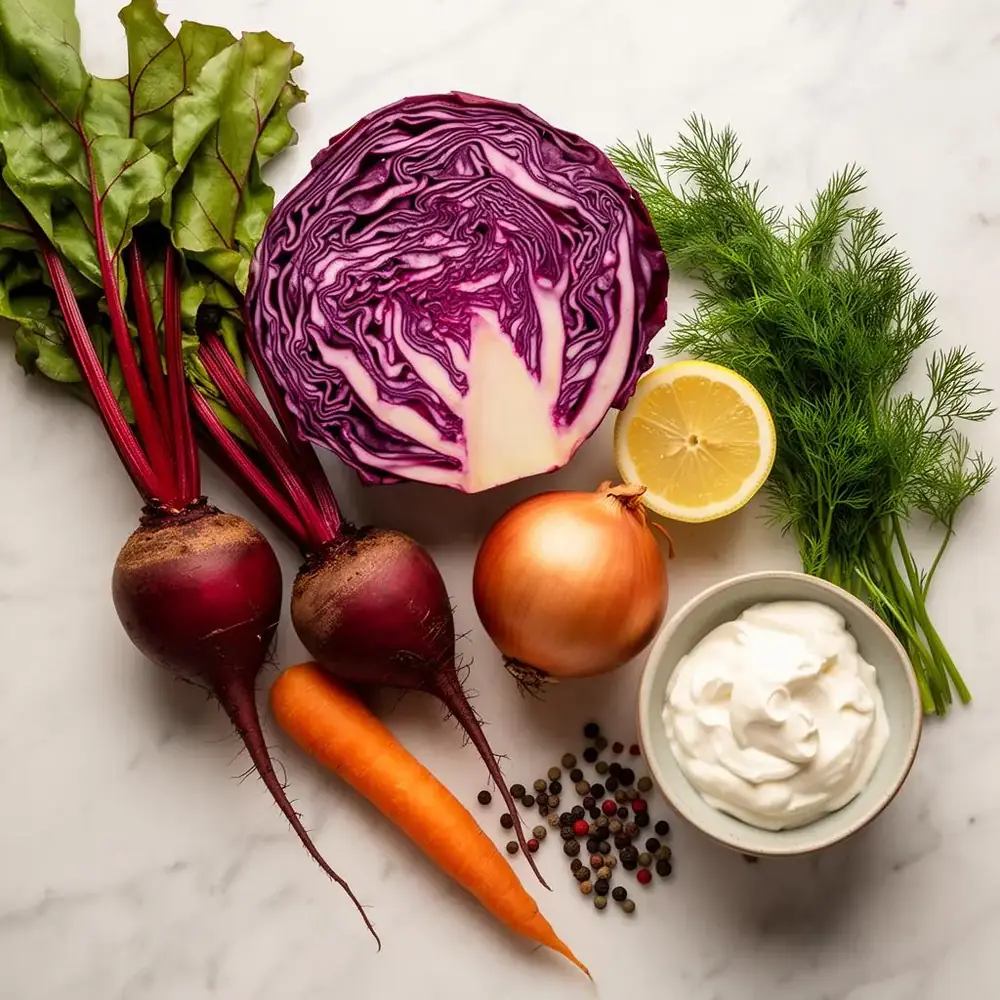
- 2 pounds fresh beets (about 6 medium), peeled
- 8 cups water or light vegetable broth
- 1 medium onion, halved
- 1 carrot, peeled
- 2 to 3 tablespoons fresh lemon juice, to taste
- 1 to 2 teaspoons sugar, to taste
- 1½ teaspoons kosher salt, plus more to taste
- Freshly ground black pepper
For Serving
- Sour cream or plain yogurt (or pareve substitute)
- 1 to 2 boiled potatoes, diced or served warm alongside
- Hard-boiled eggs, halved or chopped
- Diced cucumber and sliced scallions
- Plenty of chopped fresh dill
Step-by-Step Instructions
Step 1: Cook the Beets
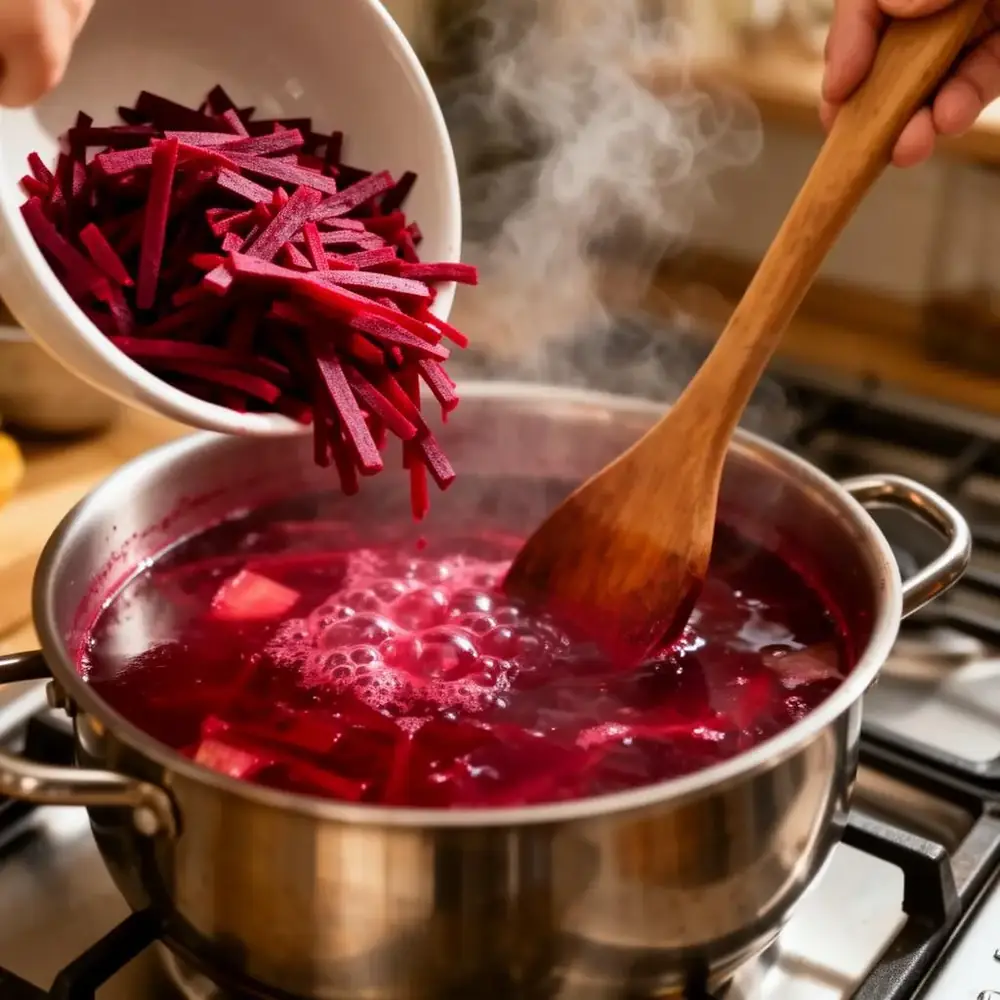
- Coarsely grate or thinly julienne the peeled beets for faster cooking and richer color.
- Add beets, water or broth, onion halves, and the whole carrot to a large pot.
- Bring to a boil, then reduce to a gentle simmer for 30 to 40 minutes until the beets are tender.
Step 2: Season & Balance
- Remove the onion and carrot. Stir in salt, then add lemon juice and sugar a little at a time.
- Taste and adjust until the broth is pleasantly sweet-and-sour, never flat.
- Finish with freshly ground black pepper.
Step 3: Chill Completely
- Cool the pot to room temperature, then refrigerate at least 4 hours, ideally overnight.
- The flavors deepen and the soup becomes bracingly refreshing once fully cold.
- Taste again before serving — cold dulls seasoning, so it may need another squeeze of lemon or pinch of salt.
Step 4: Garnish & Serve
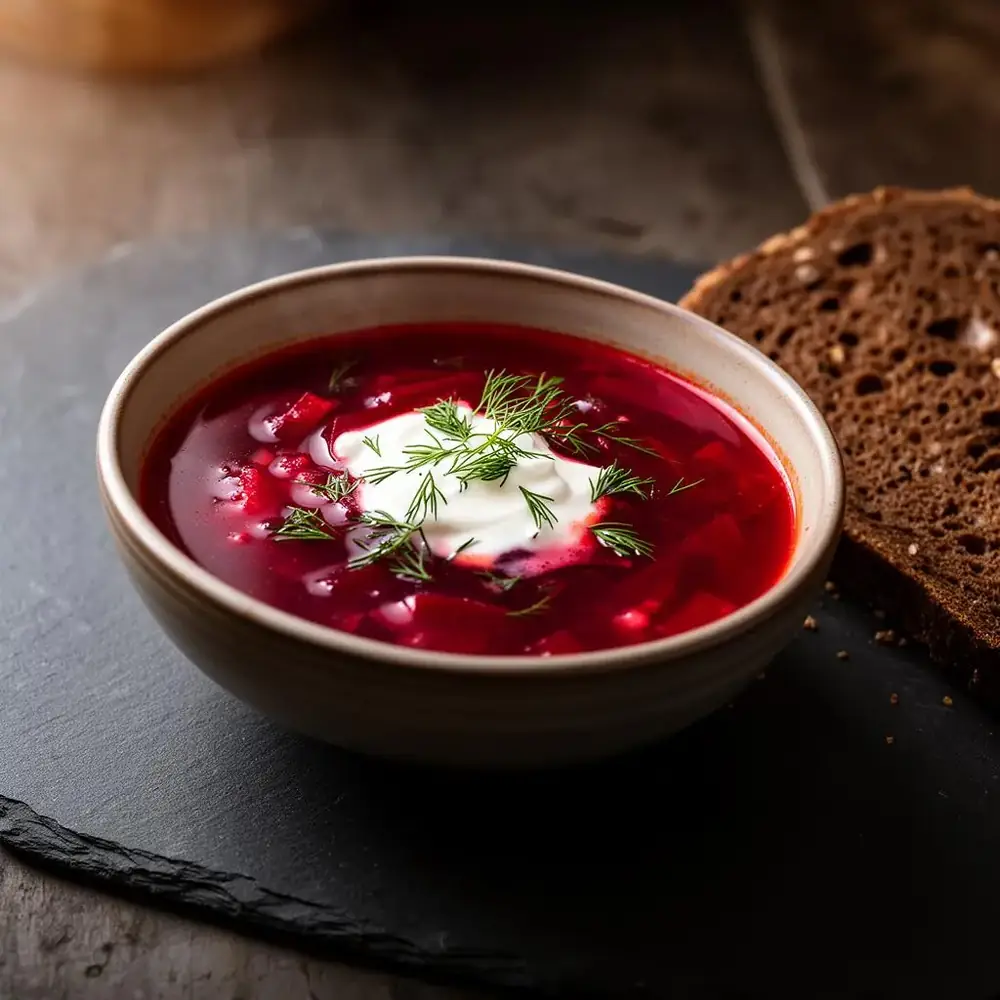
- Ladle into chilled bowls and add a generous swirl of sour cream.
- Top with diced cucumber, scallions, chopped egg, and warm boiled potato if you like.
- Shower with fresh dill and serve immediately, cold.
Cook the beets gently, balance with lemon and a touch of sugar, and chill it thoroughly. Cold borscht is all about patience and that bright sweet-tart finish.
Expert Tips for Perfect Borscht
- Grate the beets for a deeper red color and faster cooking than leaving them whole.
- Add the acid near the end — lemon juice keeps the color vivid and the flavor bright.
- Season boldly; cold temperatures mute flavors, so it should taste slightly bold while warm.
- Let it rest overnight whenever possible — borscht genuinely improves with time.
- Serve in chilled bowls to keep it refreshingly cold from the first spoonful.
Common Mistakes to Avoid
- Under-seasoning — a flat borscht usually just needs more salt, lemon, or a touch of sugar.
- Skipping the acid, which leaves the soup tasting muddy instead of bright.
- Boiling too hard for too long, which can dull the vibrant color.
- Serving it before it's fully chilled, missing the whole point of cold borscht.
- Forgetting the garnishes — sour cream, dill, and egg are what make it special.
Key Takeaways
- Cold beet borscht is a classic chilled Ashkenazi summer soup built around fresh beets.
- It's naturally vegetarian and gluten-free, and easily made pareve or dairy depending on the toppings.
- The secret is balancing earthy beets with lemon and a touch of sugar, then chilling thoroughly.
- Garnishes like sour cream, dill, cucumber, and boiled egg turn a simple soup into a celebration.
Frequently Asked Questions
What is cold beet borscht?
Cold beet borscht is a chilled Eastern European and Ashkenazi Jewish soup made from beets simmered into a tangy, ruby-red broth, balanced with lemon and a little sugar, and served cold with sour cream, dill, cucumber, and often boiled egg or potato.
Is borscht served hot or cold?
Both versions exist. Hearty hot borscht is a winter staple, while the lighter, refreshing cold version is a summer favorite — especially among Jewish families during Shavuot and warm-weather dairy meals.
Can I make borscht ahead of time?
Absolutely, and you should. Borscht tastes even better after a night in the refrigerator, which lets the flavors deepen and the soup chill completely. It keeps well for about 4 to 5 days.
Is beet borscht healthy?
Yes. Beets are rich in fiber, folate, and dietary nitrates linked to heart health, and the soup is naturally low in fat and gluten-free. Keep an eye on added salt and sugar to keep it light.
How do I keep my borscht a bright red color?
Add the lemon juice toward the end of cooking — acid helps preserve the vivid red. Avoid a hard, prolonged boil, which can dull the color, and grate the beets for the deepest hue.
Loved this recipe?
Share it with your family, leave a comment, and explore more traditional and modern Jewish dishes on JewishCuisine.
Explore more Traditional recipes