Kubaneh: The Buttery Yemenite Shabbat Bread Everyone Is Baking Now
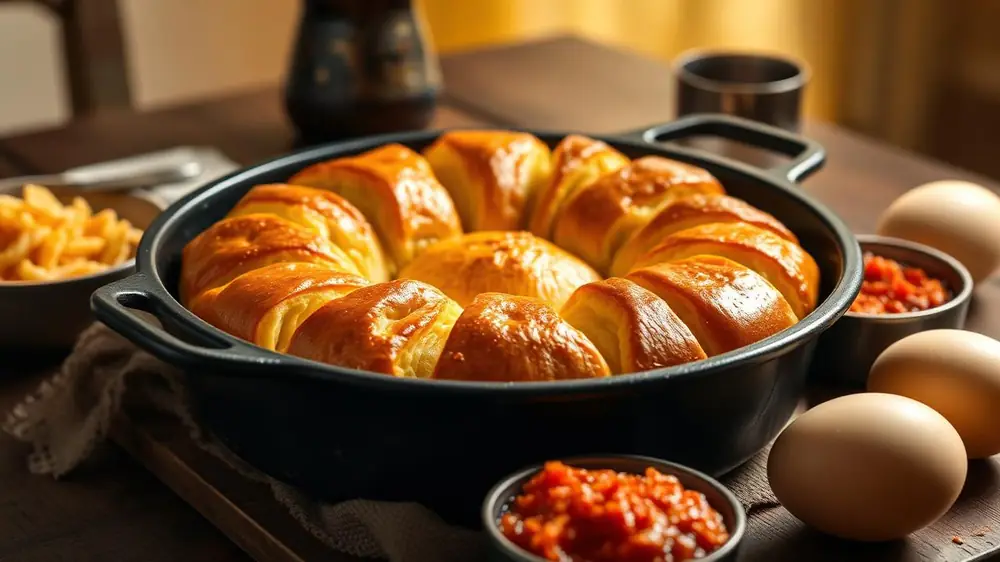
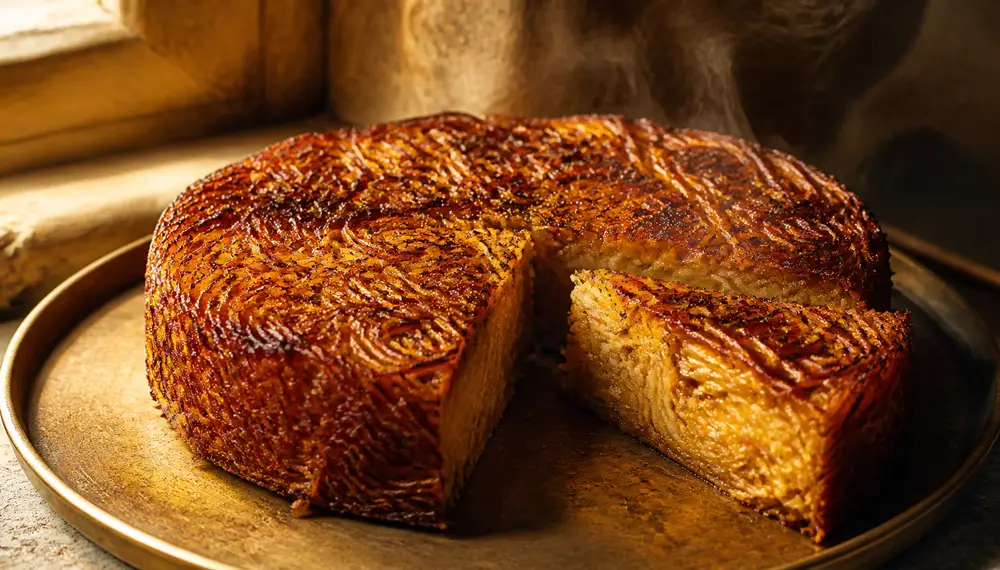
There are few smells more comforting than buttery bread that has baked overnight while everyone sleeps. Kubaneh is exactly that: a golden, deeply enriched Yemenite Jewish bread that bakes low and slow from Friday night until Shabbat morning, filling the house with the scent of caramelized butter. Pull it apart and you get soft, stretchy, almost flaky layers that taste somewhere between brioche, croissant, and warm dinner rolls.
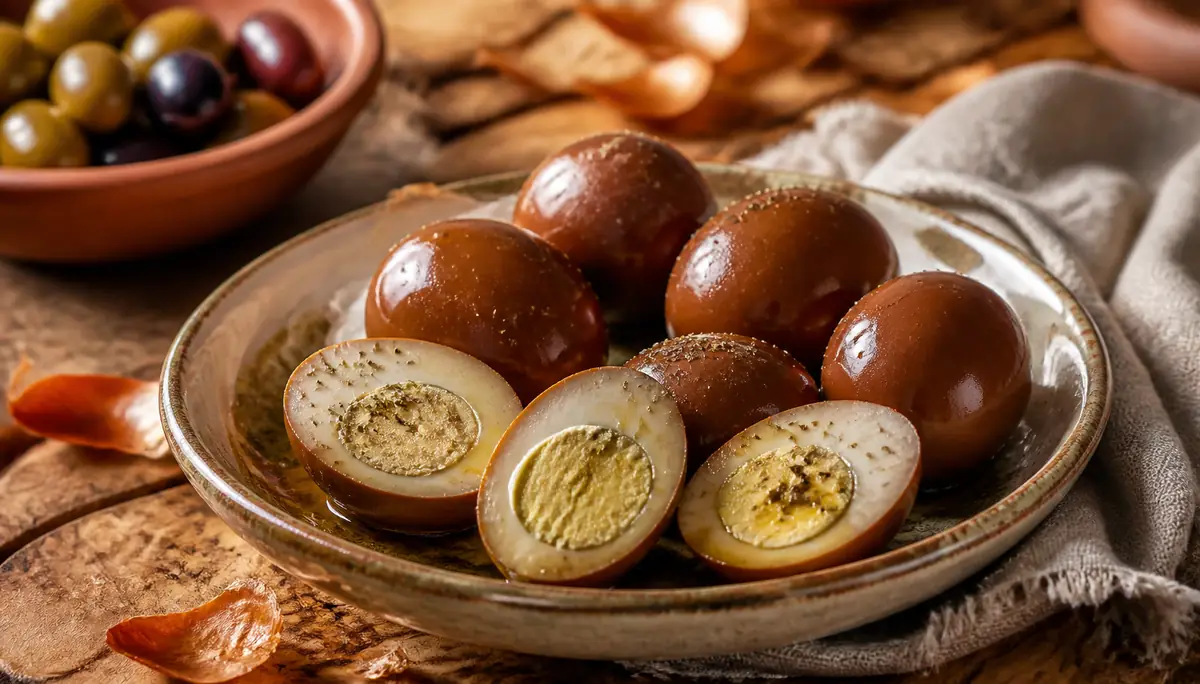
For Yemenite Jewish families, kubaneh (sometimes spelled kubana or kubaneh) is the heart of the Shabbat morning table. It is traditionally served with grated fresh tomato, the fiery green relish called zhug, and a hard-boiled egg that bakes alongside the bread overnight. The result is a breakfast that feels generous, ancient, and deeply satisfying — and it has quietly become one of the most talked-about breads in the Jewish food world.
The good news is that kubaneh is far more forgiving than it looks. It needs time, plenty of butter, and a steady low oven, but the dough itself is simple and the shaping is relaxed. This guide walks you through the history, the technique, and the small details that turn good kubaneh into the kind people remember for years.
Table of Contents
- What Makes Kubaneh Special
- A Little Yemenite History & Culture
- Why Kubaneh Is Trending
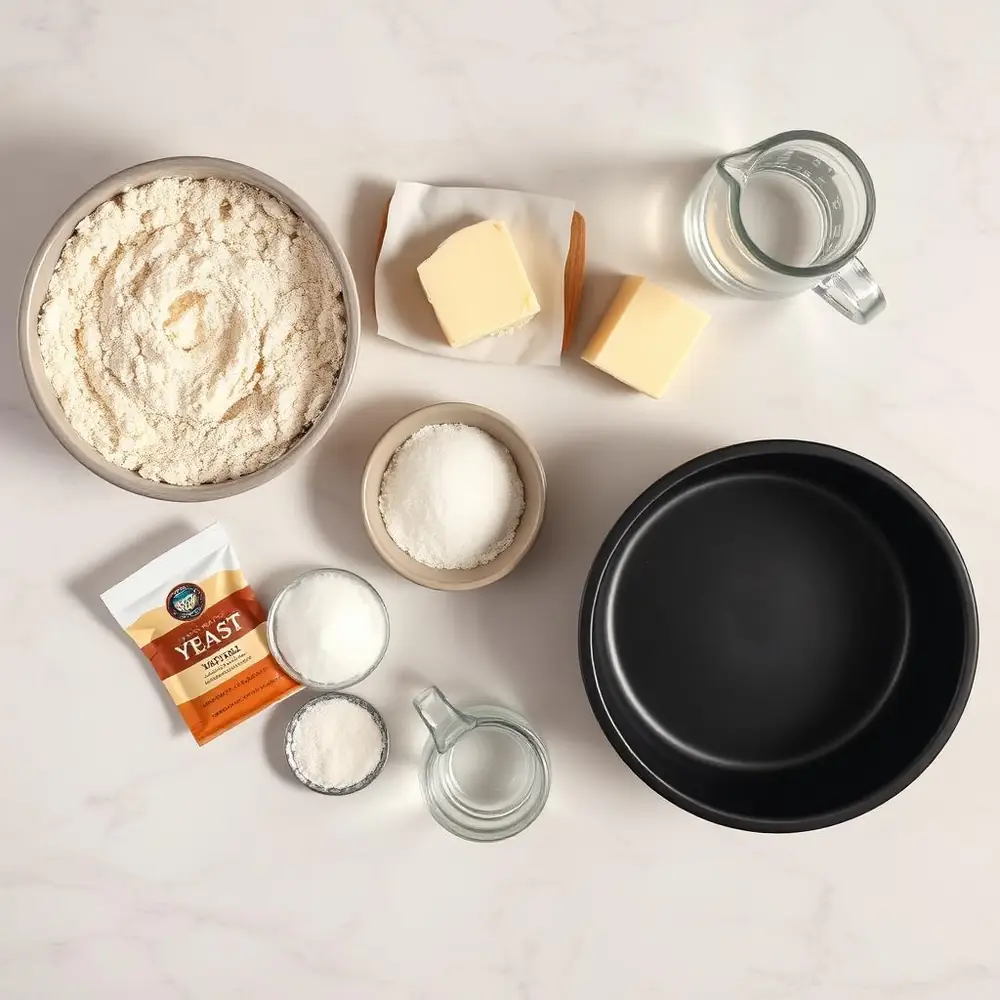
- Ingredients You'll Need
- Step-by-Step Instructions
- Expert Tips for Perfect Kubaneh
- Common Mistakes to Avoid
- Frequently Asked Questions
- Key Takeaways
- Conclusion
What Makes Kubaneh Special?
Kubaneh sits in a category of its own. It's an enriched yeast bread, but instead of being baked hot and fast, it's baked low and slow for hours — often overnight — so the butter between its layers melts, fries, and caramelizes the dough into soft sheets you can peel apart with your fingers. The long, gentle bake is what gives kubaneh its signature deep-gold color and its tender, pull-apart texture.
- Soft, buttery, pull-apart layers from rolling thin dough with plenty of butter.
- A slow overnight bake that fits perfectly with Shabbat, when cooking isn't done.
- A naturally rich, comforting flavor that needs only tomato, zhug, and egg to shine.
- Make-ahead by design — you assemble it Friday and it's ready Saturday morning.
A Little Yemenite History & Culture
Kubaneh comes from the Jews of Yemen, one of the oldest continuous Jewish communities in the world. Because Jewish law forbids lighting a fire or cooking on Shabbat, Yemenite cooks developed dishes that could be assembled before sundown on Friday and left to cook gently overnight in a low, sealed oven. Kubaneh and its savory cousins jachnun and malawach all grew out of that ingenuity.
When much of Yemen's Jewish community immigrated to Israel in the mid-20th century, they brought these breads with them, and dishes like kubaneh moved from a small community's Shabbat table into the Israeli mainstream. Today you'll find kubaneh in bakeries and cafés across Israel, and a growing number of home cooks worldwide are baking it to connect with Yemenite Jewish heritage.
Why Kubaneh Is Trending
Pull-apart breads and laminated, buttery doughs are having a major moment, and kubaneh sits right at that intersection. It photographs beautifully, it's endlessly satisfying to tear into, and it offers home bakers a project that's impressive without requiring professional lamination skills. Slow-cooked, overnight recipes also fit the current love of low-effort, high-reward cooking.
There's a deeper reason, too. As cooks rediscover Sephardic and Mizrahi Jewish cooking — long overshadowed by Ashkenazi classics — Yemenite breads have stepped into the spotlight. Kubaneh is part of a broader revival that celebrates the diversity of Jewish food, and it pairs naturally with the rising popularity of zhug, hawaij, and other Yemenite flavors.
Ingredients You'll Need
For the Dough
- 4 cups (about 500g) all-purpose or bread flour
- 1 tablespoon instant yeast
- 3 tablespoons sugar or honey
- 1½ teaspoons kosher salt
- 1¼ cups warm water, plus more as needed
- 2 tablespoons softened butter or oil for the dough
For Layering & the Pan
- About ¾ cup (1½ sticks) softened butter, for spreading on the dough
- Extra softened butter or oil to coat the pan generously
- 4 to 6 raw eggs in their shells, to bake on top (optional but traditional)
For Serving
- Grated fresh tomato seasoned with salt
- Zhug (spicy Yemenite green chili relish)
- The overnight-baked eggs, peeled
Step-by-Step Instructions
Step 1: Make the Dough
- Whisk together flour, yeast, sugar, and salt in a large bowl.
- Add the warm water and softened butter, then mix and knead until you have a soft, smooth, slightly tacky dough.
- Cover and let rise in a warm spot for about 1 to 1½ hours, until doubled.
Step 2: Divide & Stretch
- Divide the dough into 6 to 8 equal pieces and let them rest 10 minutes so they relax.
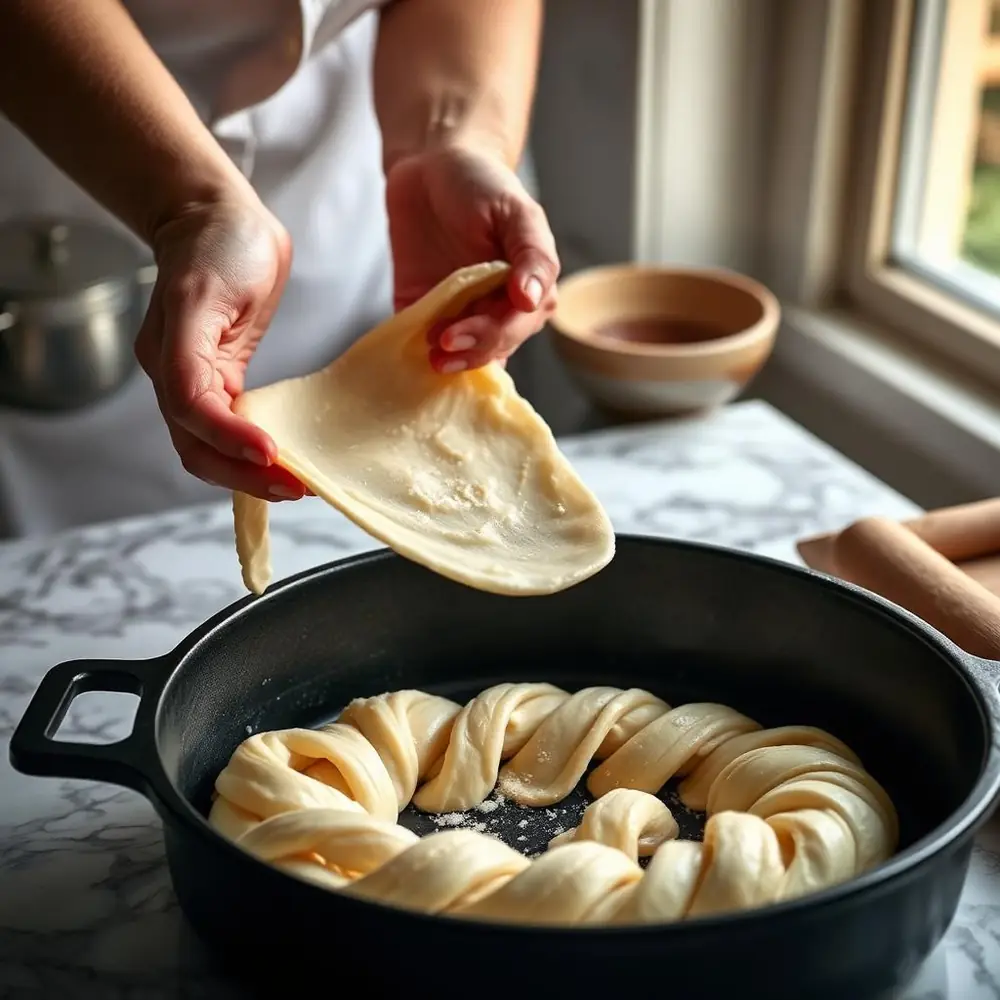
- On a well-buttered surface, gently stretch and flatten each piece into a very thin sheet.
- Spread each sheet generously with softened butter — don't be shy, the butter is what makes the layers.
Step 3: Shape & Fill the Pan
- Fold or roll each buttered sheet into a loose coil or log.
- Arrange the coils snugly in a heavily buttered round baking pan or pot with a tight lid.
- Nestle the raw eggs on top if using, then let the assembled kubaneh rise 30 to 45 minutes.
Step 4: Bake Low & Slow
- Cover tightly and bake at 220°F to 250°F (105°C to 120°C) for 8 to 12 hours, ideally overnight.
- For a faster version, bake covered at 350°F (175°C) for about 1½ to 2 hours until deep golden.
- Uncover for the last 20 to 30 minutes if you want a darker, crispier top.
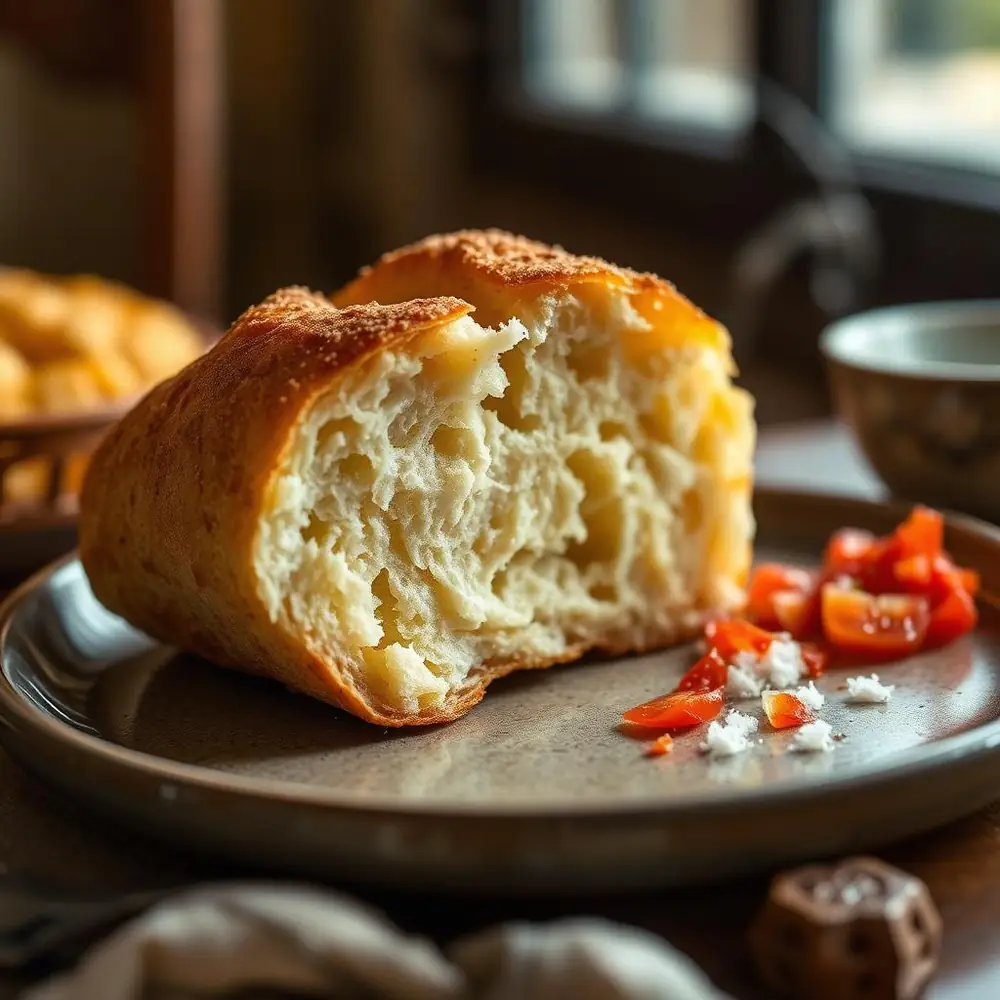
Butter every layer, pack the pan tightly, and let it bake low and slow. Kubaneh rewards patience with soft, golden, pull-apart layers.
Expert Tips for Perfect Kubaneh
- Use plenty of butter between the layers — it's the defining feature, not the place to cut back.
- Keep the oven low and steady; a too-hot oven sets the crust before the layers turn tender.
- Bake in a heavy pot or pan with a tight lid to trap steam and keep the inside soft.
- Let it rest a few minutes after baking so the layers firm up just enough to pull apart cleanly.
- Make zhug and grate the tomato while the bread bakes so everything is ready together.
Common Mistakes to Avoid
- Skimping on butter, which leaves the bread dense instead of soft and layered.
- Baking too hot or too fast, giving you a dark crust and underdeveloped, doughy layers.
- Stretching the dough too thick, so the signature pull-apart sheets never form.
- Using a loose-fitting lid, which lets steam escape and dries out the bread.
- Cutting it the moment it leaves the oven instead of letting it settle for a few minutes.
Key Takeaways
- Kubaneh is a buttery Yemenite Jewish Shabbat bread baked low and slow, often overnight.
- Its soft pull-apart layers come from stretching the dough thin and buttering it generously.
- It's traditionally served with grated tomato, spicy zhug, and overnight-baked eggs.
- The slow, overnight bake makes it a classic dish that respects Shabbat observance.
Frequently Asked Questions
What is kubaneh?
Kubaneh is a traditional Yemenite Jewish bread made from an enriched, buttery yeast dough that is baked low and slow — often overnight — until it forms soft, golden, pull-apart layers. It's a centerpiece of the Yemenite Shabbat morning table.
Why is kubaneh baked overnight?
Because Jewish law prohibits cooking on Shabbat, Yemenite Jews developed breads like kubaneh that are assembled before sundown on Friday and baked gently overnight in a low oven, ready to eat on Saturday morning without any further cooking.
What do you eat with kubaneh?
Kubaneh is classically served with grated fresh tomato seasoned with salt, spicy Yemenite zhug, and hard-boiled eggs that bake on top of the bread overnight. The combination of buttery bread, bright tomato, and heat is the traditional Yemenite breakfast.
Can I make kubaneh pareve or dairy-free?
Yes. Kubaneh is usually made with butter, making it dairy, but you can substitute a neutral oil or pareve margarine to keep it pareve and suitable for a meat meal. The texture stays soft, though butter gives the richest flavor.
Can I bake kubaneh faster instead of overnight?
Absolutely. While the traditional method bakes it overnight at a very low temperature, you can bake it covered at around 350°F for about 1½ to 2 hours until deep golden and tender. The overnight version simply develops a richer color and flavor.
Loved this recipe?
Share it with your family, leave a comment, and explore more traditional and modern Jewish dishes on JewishCuisine.
Explore more Traditional recipes