Aloo Makala: The Crispy Fried Potatoes at the Heart of Calcutta's Jewish Kitchen
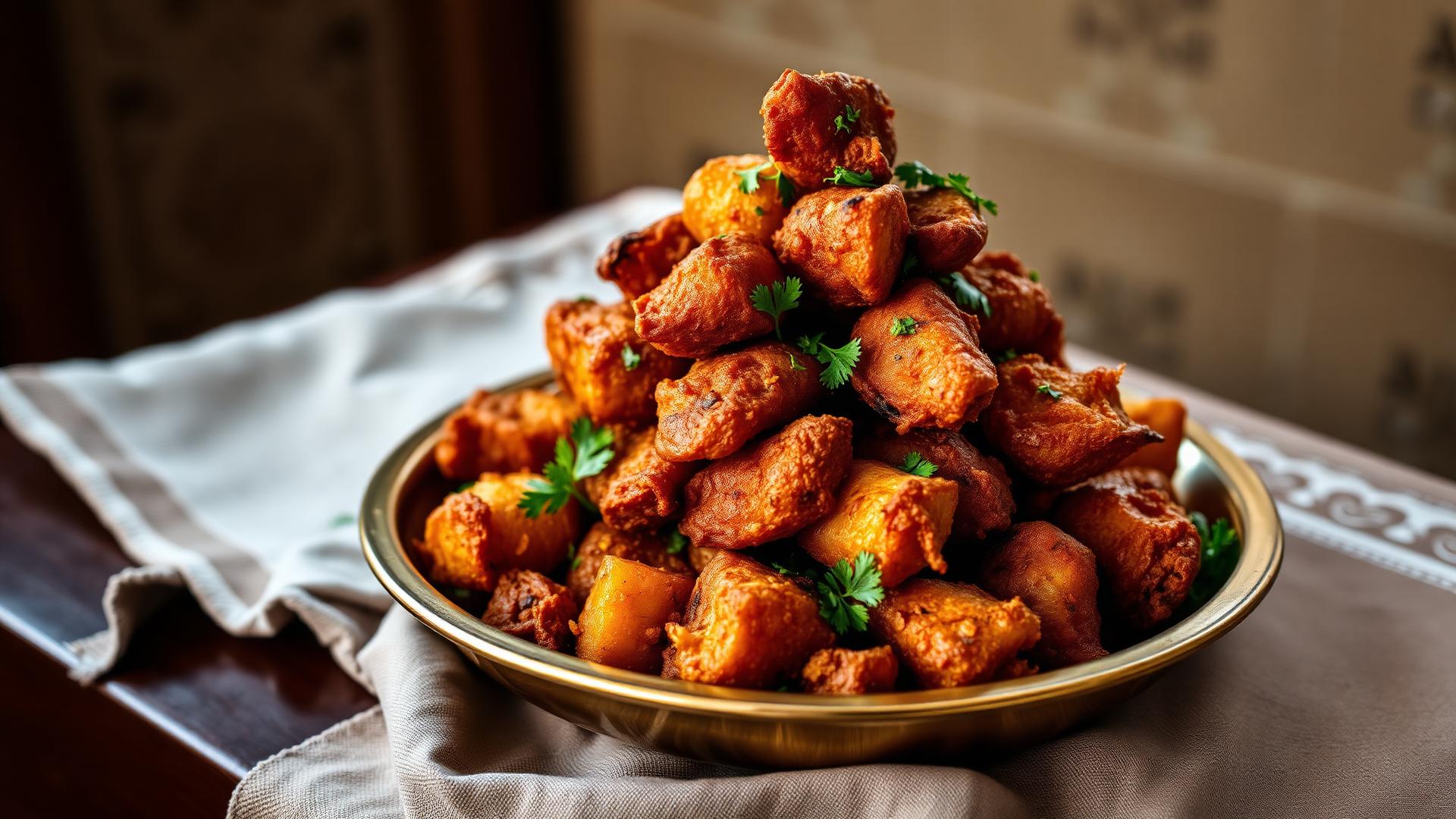
In the old Jewish homes of Calcutta, no Shabbat lunch was complete without a bowl of aloo makala. Whole potatoes, fried slow and then fast, arrived at the table with a shell so crisp it crackled under a fork and an inside so soft it nearly melted. Children fought over the crunchiest ones. Grandmothers guarded the technique. For the Baghdadi Jews of India, these golden potatoes are not a side dish — they are a signature, as central to the community's identity as challah is to an Ashkenazi table.
Aloo makala tells a remarkable story in a single bite. It carries the Iraqi roots of a merchant community that settled in the port cities of British India, the Hindustani word for potato, and a frying method born of the need to prepare food before Shabbat and keep it delicious for hours. Few dishes fold together three cultures — Iraqi, Indian, and Jewish — quite so gracefully.
This guide walks through aloo makala from every angle: what it is, where it comes from, why a nearly forgotten dish is finding new fans, the handful of ingredients that matter, and a clear two-stage frying method — plus the expert tips and common mistakes that separate soggy potatoes from ones with that legendary crackle.
Table of Contents
- What Aloo Makala Actually Is
- Historical and Cultural Context
- Why Aloo Makala Is Trending
- Ingredients and Key Concepts
- Step-by-Step Insights
- Expert Tips
- Common Mistakes to Avoid
- Frequently Asked Questions
- Key Takeaways
- Conclusion
What Aloo Makala Actually Is
Aloo makala is a dish of whole potatoes that are gently simmered or slow-fried until tender, then fried again at high heat until the outside forms a deep golden, almost lacquered crust. The name says it plainly: aloo is Hindi for potato, and makala comes from the Judeo-Arabic word for fried. The result is a potato with two distinct textures in one — a shatteringly crisp exterior and a fluffy, creamy center.
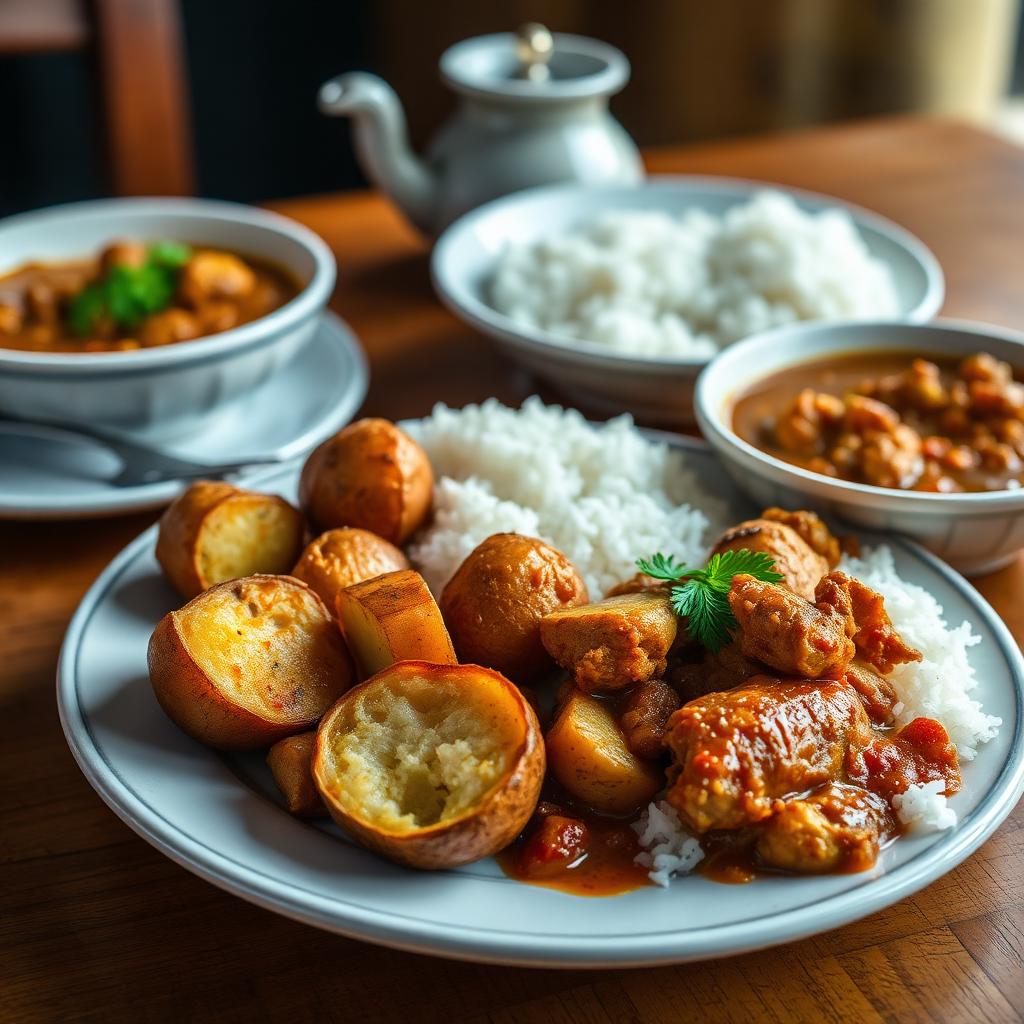
Unlike French fries or roasted potatoes, aloo makala keeps the potato whole, which is part of its charm on a festive table. It is traditionally seasoned simply with salt and turmeric, letting the potato and the frying do the talking. Because it contains no meat or dairy, it is naturally pareve, which is exactly why it became a fixture of the Shabbat meal, where it could be served alongside chicken curry, rice, and a spread of Calcutta Jewish dishes.
Historical and Cultural Context
The Jews of Calcutta belonged to the Baghdadi Jewish community, a network of traders who migrated from Iraq, Syria, and Persia to the port cities of the British Empire during the eighteenth and nineteenth centuries. Settling in Calcutta, Bombay, and Rangoon, they built synagogues, schools, and businesses, and along the way created a cuisine that married the spices of India with the culinary memory of Baghdad. Aloo makala became its crown jewel.
The dish reflects the practical rhythm of Jewish life. Because cooking is not permitted on Shabbat, food had to be prepared on Friday and hold well into Saturday. Aloo makala answered that need beautifully: the double-fried potatoes could be made ahead, kept at room temperature or gently rewarmed, and still retain much of their prized crunch. Practicality and pleasure met in a single golden potato.
At its peak, Calcutta's Jewish community numbered in the thousands, with bustling bakeries and kosher kitchens. After the mid-twentieth century, most families emigrated to Israel, England, the United States, Canada, and Australia, and the community in Calcutta dwindled to a handful. Yet aloo makala traveled with them, becoming a taste of home in diaspora kitchens and a symbol of a vanishing but cherished way of life.
In a Calcutta Jewish home, the sound of a fork cracking through aloo makala was the sound of Shabbat itself.
Why Aloo Makala Is Trending
Curiosity about Indian Jewish and Baghdadi cooking has surged as food lovers look past the familiar Ashkenazi and even mainstream Sephardic canon. Aloo makala, once known mostly within the community, now appears in acclaimed cookbooks, food documentaries, and features celebrating the Jews of India. Its simple ingredients and dramatic texture make it a natural crowd-pleaser for a new audience.
The dish also rides the broader wave of interest in humble, potato-forward comfort food and in the crispy textures that dominate social media. A whole potato with a crackling golden shell is deeply satisfying to watch and to eat. Add the fact that it is naturally vegan and gluten-free, and aloo makala fits neatly into how many people want to cook today.
There is a preservation urgency, too. With so few Jews left in Calcutta, dishes like aloo makala survive largely through the memory of elders and the determination of their descendants. Food writers documenting Baghdadi Jewish cuisine have helped bring the recipe to wider attention, and every home cook who fries a batch keeps a fragile tradition alive.
Ingredients and Key Concepts
Aloo makala is proof that a great dish needs very little. What matters most is choosing the right potato and understanding the two-stage frying method. Here is what you need and why each element counts.
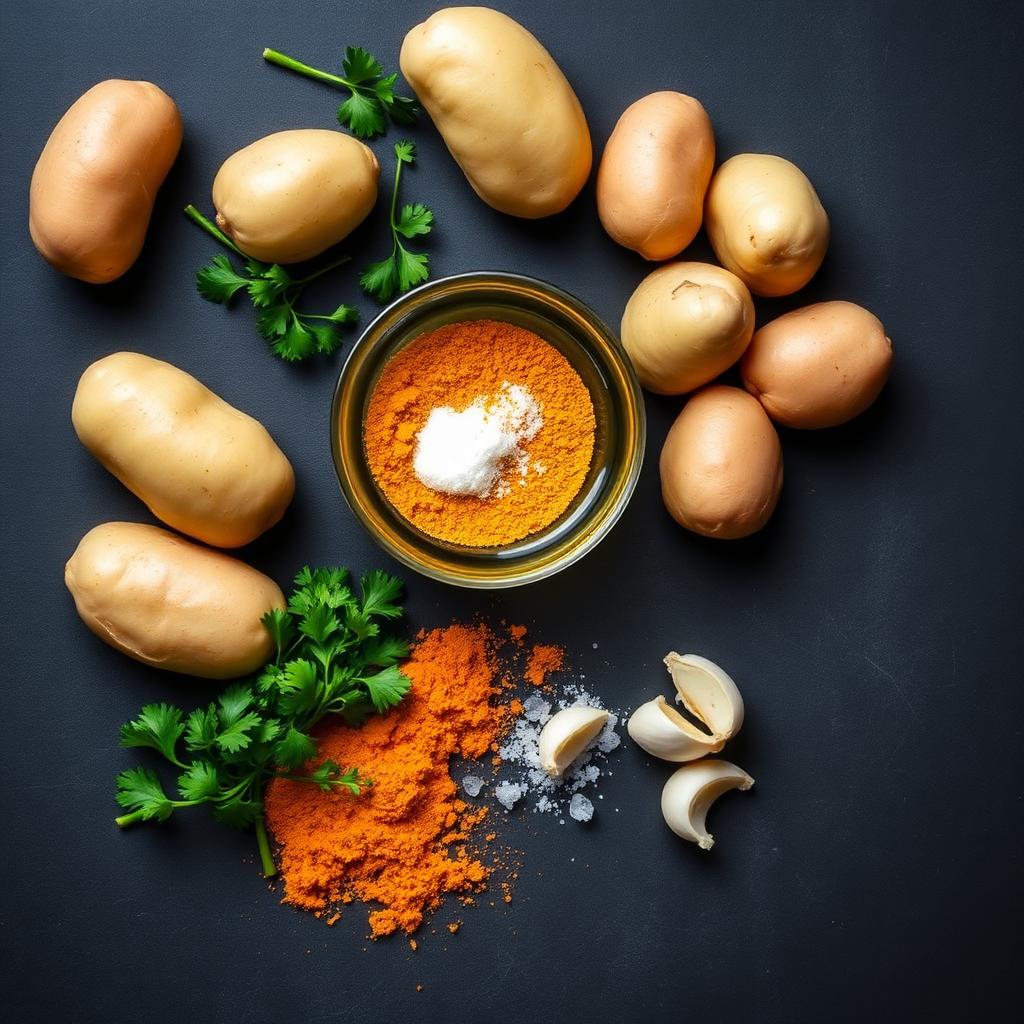
Potatoes
Use small to medium waxy or all-purpose potatoes that hold their shape, such as baby potatoes or Yukon Golds. They should be roughly uniform in size so they cook evenly. Very large potatoes are hard to fry through without the outside overbrowning, so keep them small; halving is acceptable if needed but whole is traditional.
Oil
A neutral oil with a high smoke point — such as sunflower, canola, or peanut — is essential because the potatoes spend a long time in the oil. You need enough to submerge them at least halfway, and ideally to cover. The same oil is used for both the slow and the fast fry.
Turmeric and salt
Turmeric gives aloo makala its warm golden hue and a subtle earthy note, while salt seasons throughout. Many families rub the parboiled potatoes with turmeric and salt before the first fry so the color and flavor set into the skin. That is essentially the entire seasoning — the dish relies on technique, not spice, for its impact.
The two-stage fry
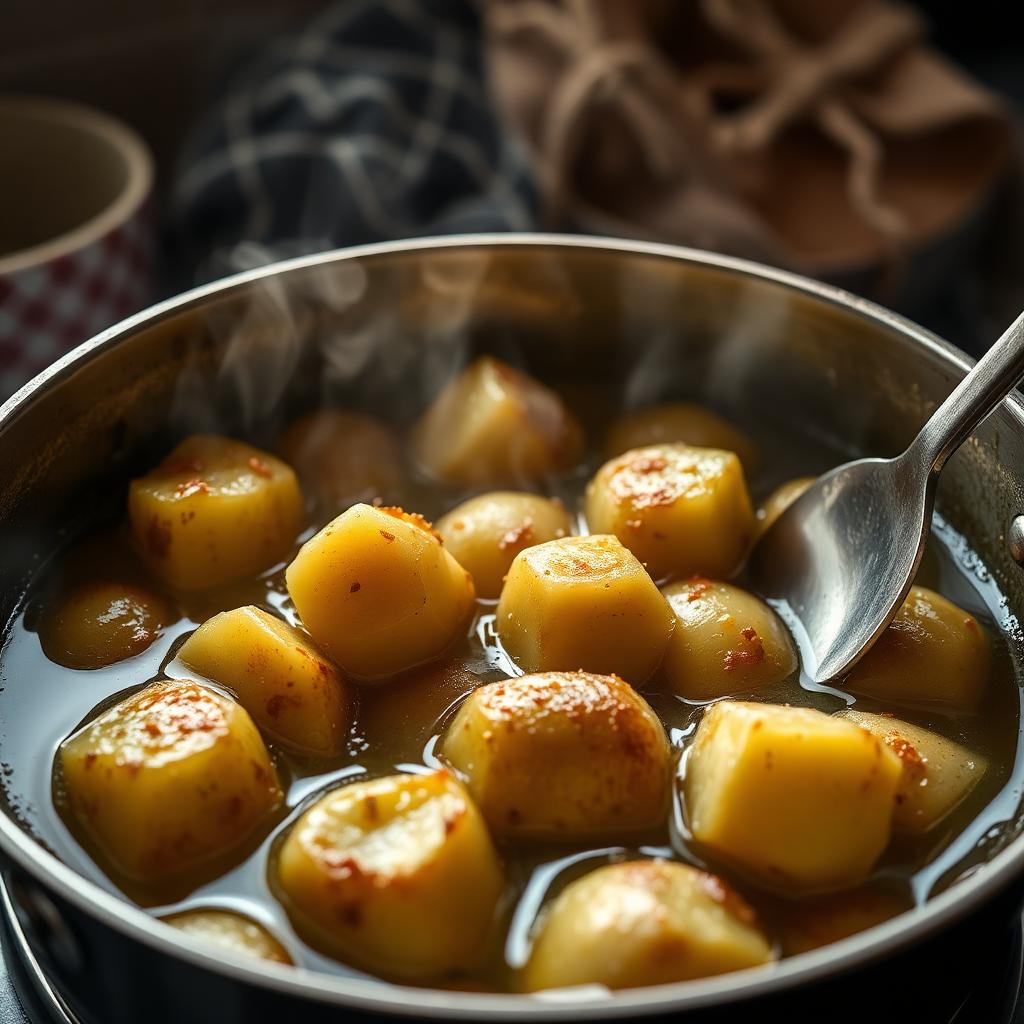
This is the heart of the dish. The first fry is long and gentle, cooking the potato all the way through and beginning to firm the exterior. The potatoes then rest, sometimes for hours. The second fry is short and hot, blistering the surface into that signature crackly crust. Understanding these two stages is more important than any ingredient.
Step-by-Step Insights
The method is straightforward but demands patience. Do not rush the low fry, and do not skip the rest — both are what create the legendary texture.
- Peel small potatoes and, if you like, prick them a few times or parboil briefly. Pat them completely dry, then rub with turmeric and salt.
- Heat neutral oil in a deep, heavy pot over low to medium-low heat. The oil should be warm, not shimmering hot — you want a gentle bubble around a test potato.
- Add the potatoes and fry slowly for 30 to 45 minutes, turning occasionally, until they are fully tender when pierced and the outsides have set into a pale, firm shell. Keep the heat gentle so they cook through without browning too fast.
- Lift the potatoes out and let them rest and cool completely, ideally for a few hours. This drying-out is essential for the final crunch.
- When ready to serve, raise the oil temperature to high. Return the potatoes and fry for a few minutes, turning, until the exterior turns deep golden and audibly crisp.
- Drain on paper towels, sprinkle with a little extra salt, and serve hot alongside curry and rice.
Expert Tips
- Dry is everything. Pat the potatoes bone-dry before the first fry and let them cool fully before the second — moisture is the enemy of crunch.
- Keep the first fry low. If the oil is too hot at the start, the outside browns before the inside cooks, leaving a raw center.
- Make ahead with confidence. The first fry can happen hours in advance, or even the day before; only the quick second fry needs to happen near serving time.
- Choose evenly sized potatoes so they finish cooking together, and use enough oil to move them freely in the pot.
- Rub with turmeric while the potatoes are still slightly warm from parboiling so the color clings to the skin.
Common Mistakes to Avoid
- Frying too hot from the start, which browns the shell before the potato cooks through.
- Skipping the rest between fries, which prevents the crust from forming and leaves the potatoes soft.
- Crowding the pot, which drops the oil temperature and steams the potatoes instead of frying them.
- Using very large or floury potatoes that fall apart or refuse to crisp evenly.
- Under-salting — because the seasoning is so minimal, a proper finish of salt makes all the difference.
Conclusion
Aloo makala is a small marvel: a potato transformed by patience into something crackling, golden, and unforgettable. It carries the story of the Baghdadi Jews of Calcutta — a community that blended Iraqi memory with Indian spice and built a table all its own. Making it today is a way to taste that history and to keep it from fading.
Give the two-stage fry the time it deserves, respect the rest in between, and you will pull from the oil a dish worthy of any Shabbat table. Serve it with curry and rice, or simply with a sprinkle of salt, and you will understand why generations of Calcutta Jews couldn't imagine a celebration without it.
Key Takeaways
- Aloo makala is a double-fried whole potato dish from the Baghdadi Jewish community of Calcutta, prized for its crackling crust and creamy center.
- The name combines the Hindi word for potato with the Judeo-Arabic word for fried, reflecting the community's Iraqi-Indian heritage.
- The two-stage frying method — low and slow, then hot and fast, with a rest in between — is the key to its signature texture.
- It is naturally pareve, vegan, and gluten-free, which made it an ideal make-ahead Shabbat dish.
- Interest in Indian Jewish cuisine has revived aloo makala as a way to preserve a nearly vanished culinary tradition.
Frequently Asked Questions
What does aloo makala mean?
Aloo is the Hindi word for potato, and makala derives from the Judeo-Arabic word for fried. Together the name describes the dish exactly: fried potatoes, made in the distinctive Calcutta Jewish style.
Why are the potatoes fried twice?
The first low, slow fry cooks the potatoes through and firms the exterior. After a rest to dry out, the second hot fry blisters the surface into a crackling golden crust. The two stages create the dish's hallmark contrast of textures.
Can I make aloo makala ahead of time?
Yes — that is part of its charm. The first fry can be done hours ahead or even a day before. Only the quick second fry needs to happen close to serving, which is exactly why it became a Shabbat staple.
What potatoes work best?
Small to medium waxy or all-purpose potatoes such as baby potatoes or Yukon Golds hold their shape and crisp well. Keep them uniform in size so they cook evenly, and avoid very large or overly floury potatoes.
What do you serve with aloo makala?
It is classically served as part of a Calcutta Jewish Shabbat meal alongside chicken curry, steamed rice, and other Baghdadi dishes. It also works simply on its own with a sprinkle of salt.
Loved this recipe?
Share it with your family, leave a comment, and explore more traditional and modern Jewish dishes on JewishCuisine.
Explore more Traditional recipes