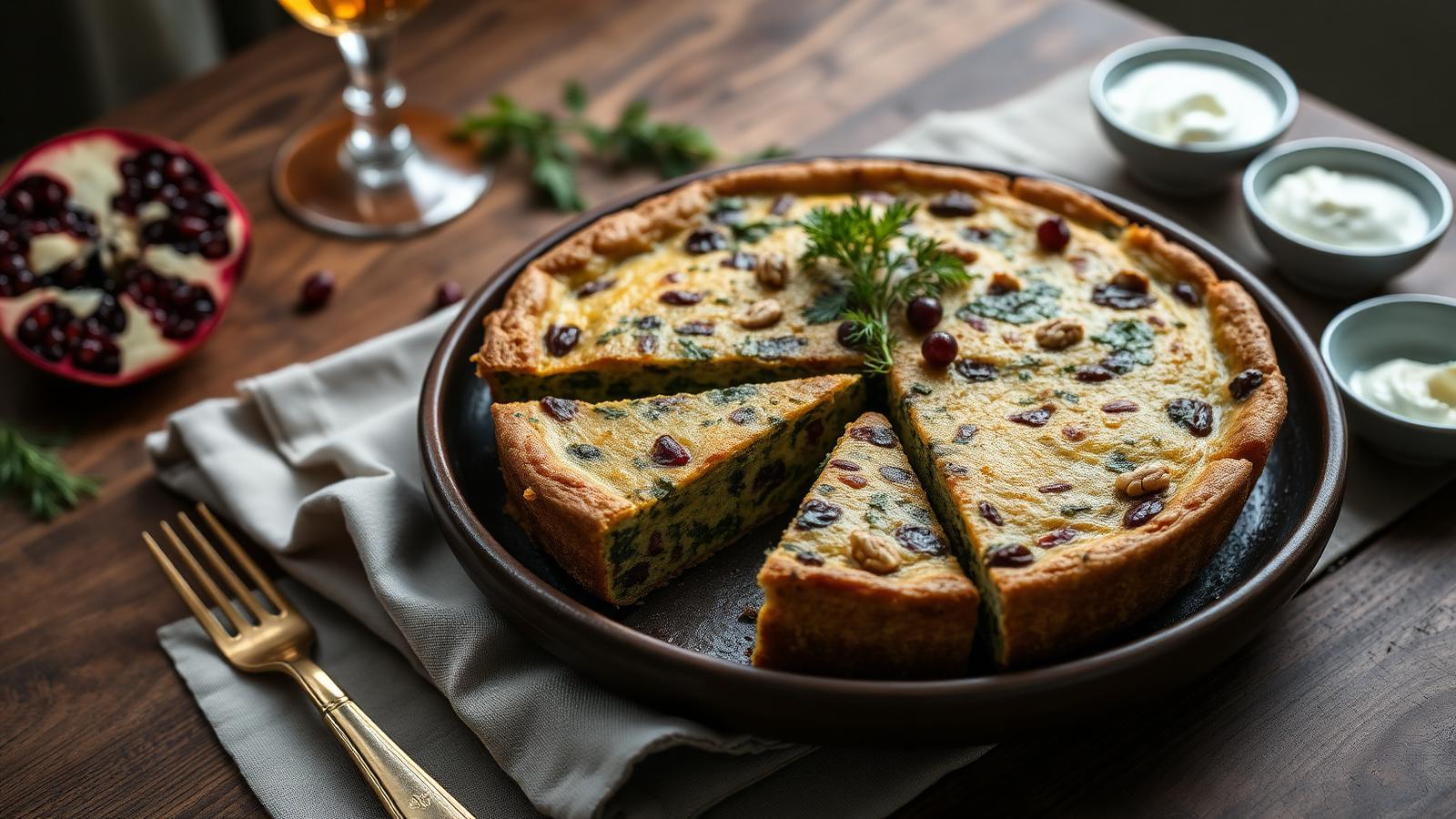
Cheese Blintzes: The Creamy Shavuot Classic Worth Rolling by Hand

There's a reason blintzes show up every single year at Shavuot. The holiday celebrates the giving of the Torah, and tradition calls for a feast of dairy foods — so Jewish kitchens from Kraków to Brooklyn fill with the smell of butter, browning crepes, and warm sweet cheese. A blintz is deceptively simple: a thin, eggy pancake wrapped around a pillow of farmer's cheese, then pan-fried until the outside turns lacy and golden. Master them once and they'll become a fixture far beyond the holiday.
Ingredients
For the Crepes (Blintz Wrappers)
- 1 cup (125g) all-purpose flour
- 3 large eggs
- 1¼ cups (300ml) whole milk
- 2 tablespoons melted butter, plus more for frying
- ½ teaspoon salt
- 1 teaspoon sugar
For the Cheese Filling
- 2 cups (about 450g) farmer's cheese (or well-drained ricotta)
- 1 large egg yolk
- 3 tablespoons sugar
- 1 teaspoon vanilla extract
- Zest of ½ lemon

Step-by-Step Instructions
Step 1: Make the Crepe Batter
- Whisk the eggs, milk, and melted butter together until smooth.
- Add the flour, salt, and sugar, and whisk until no lumps remain.
- Rest the batter for 20 minutes so the crepes cook tender, not rubbery.
Step 2: Cook the Crepes
- Heat a lightly buttered 8-inch nonstick skillet over medium heat.
- Pour in a scant ¼ cup of batter, swirling to coat the bottom thinly.
- Cook about 1 minute until the edges lift, then flip briefly. Stack and set aside.
Step 3: Fill and Fold
- Mix the farmer's cheese, egg yolk, sugar, vanilla, and lemon zest.
- Spoon 2 tablespoons of filling onto the lower third of each crepe.
- Fold the bottom over the filling, tuck in the sides, and roll into a neat parcel.
Step 4: Fry Until Golden
- Melt butter in a skillet over medium heat.
- Fry the blintzes seam-side down first, 2–3 minutes per side, until crisp and golden.
- Serve warm, dusted with powdered sugar and topped with berries or sour cream.

Rest the batter, keep the crepes thin, and fry seam-side down first. Those three habits give you blintzes that hold their shape and crisp up beautifully.
A Little Jewish Culinary History
Blintzes descend from the Eastern European blintze and the wider family of stuffed crepes found across Ukrainian, Russian, and Hungarian cooking. Jewish communities embraced them as an affordable, satisfying way to stretch dairy, and they became inseparable from Shavuot, when eating dairy foods is customary. Immigrants carried the recipe to America, where the blintz found a second home in Jewish delis and Sunday brunch tables — sometimes sweet with cheese and fruit, sometimes savory with potato or mushroom.
Cooking Tips From the Experts
- Drain your cheese well so the filling stays thick and doesn't leak.
- Keep the crepes thin and pale on the first side — they brown fully when fried.
- Don't overfill; 2 tablespoons per crepe keeps them easy to fold.
- Fry in butter for that signature golden, lacy edge.
Common Mistakes to Avoid
- Using watery cheese, which makes the filling ooze out during frying.
- Skipping the batter rest, which leaves crepes tough.
- Overcrowding the pan so the blintzes steam instead of crisp.
- Frying over high heat and burning the butter before the center warms.
Key Takeaways
- Cheese blintzes are the traditional dairy centerpiece of Shavuot.
- Thin, rested crepes wrapped around well-drained farmer's cheese give the best texture.
- Fry seam-side down first in butter for a golden, lacy crust.
- Crepes can be made ahead and the blintzes frozen, then fried fresh before serving.
Frequently Asked Questions
What cheese is best for blintzes?
Farmer's cheese is traditional and ideal because it's firm and not too wet. Well-drained ricotta or a mix of ricotta and cream cheese also works well.
Can I make cheese blintzes ahead of time?
Yes. Make and fill the blintzes, then refrigerate for a day or freeze for up to a month. Fry them fresh in butter just before serving.
Why are blintzes eaten on Shavuot?
Shavuot is traditionally celebrated with dairy foods, and blintzes — wrapped around sweet cheese — are a beloved way to honor that custom.
Loved this recipe?
Share it with your family, leave a comment, and explore more traditional and modern Jewish dishes on JewishCuisine.
Explore more Holidays recipes