Jewish Honey Cake (Lekach): The Moist, Spiced Rosh Hashanah Classic You Can Bake All Year
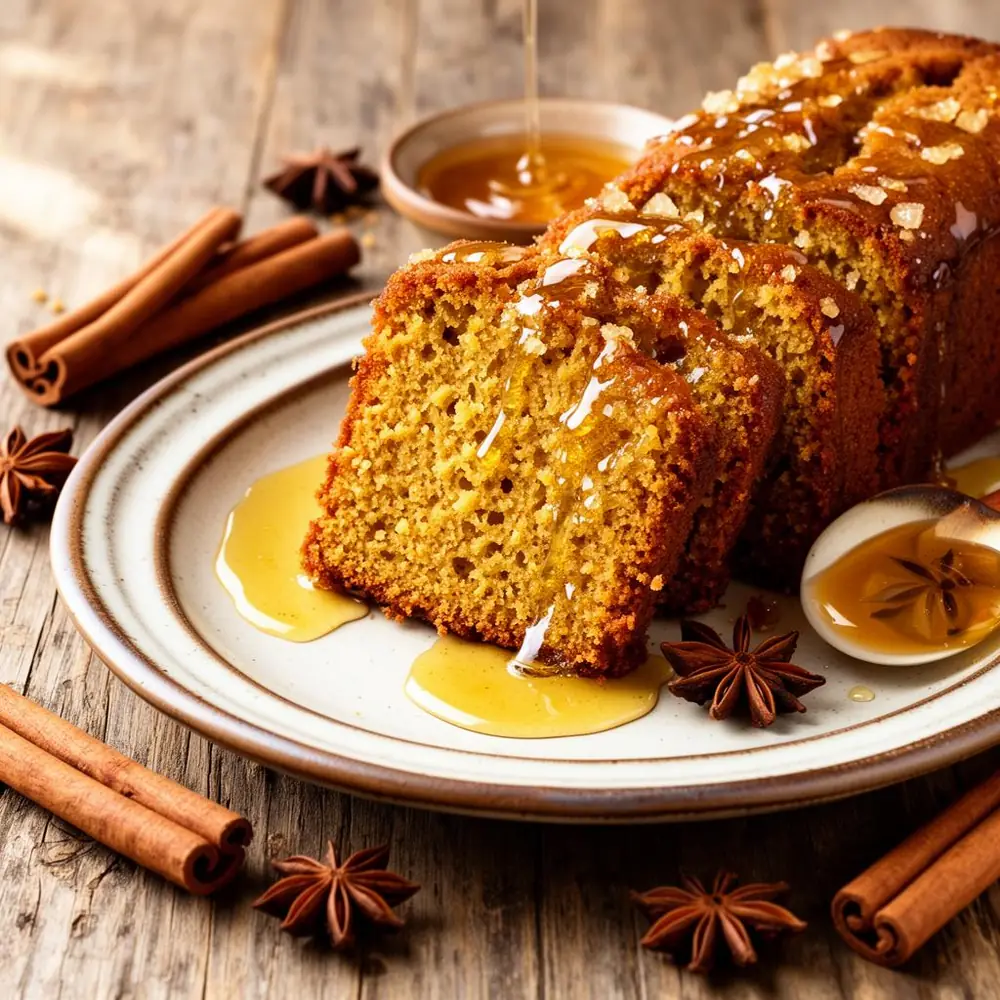
There are cakes you eat, and then there are cakes you remember. Jewish honey cake — lekach in Yiddish and Hebrew — falls squarely into the second category. It is the kind of cake that fills your kitchen with the warm, heady perfume of honey, cinnamon, cloves, and orange before you even open the oven door. It is the cake that has welcomed Rosh Hashanah for centuries, that has traveled with Jewish families across continents, and that still, somehow, tastes like belonging.
In 2026, honey cake is having a quiet renaissance. As home bakers rediscover heritage recipes and the wellness world celebrates raw honey's natural complexity, lekach has found a new generation of fans. Food historians are writing about it. Artisanal bakeries are offering their own twists. And across social media, the hashtag #HoneyCake has become a love letter to one of the most enduring desserts in Jewish culture.
This guide is your complete roadmap to baking a honey cake that is moist, deeply flavored, and genuinely unforgettable. You will learn the history behind the recipe, the science of keeping it tender, step-by-step instructions, modern variations, and the small expert tips that separate a good honey cake from a great one.
What Is Lekach? A Quick History
The word lekach comes from the Hebrew and Yiddish word for “sweet” or “cake,” and its roots stretch back over a thousand years. Honey cakes appear in medieval European Jewish communities, in Sephardic traditions of the Middle East and North Africa, and in the Ashkenazi baking repertoire that shaped so much of Eastern European Jewish cuisine.
The connection to Rosh Hashanah is deliberate and beautiful. On the Jewish New Year, it is traditional to eat sweet foods to symbolize hope for a sweet year ahead. Apples dipped in honey are the most famous example, but honey cake is the dessert that anchors the holiday table. Slices are served after the festive meal, packed into care packages for friends, and sent home with guests in waxed paper like edible blessings.
What makes lekach distinct from other spice cakes is its generous use of honey as both sweetener and structural element. Honey retains moisture far better than granulated sugar, which is why a well-made honey cake stays soft for days — even weeks — after baking. It also carries subtle floral notes that vary depending on the honey you choose, making every loaf a little different.
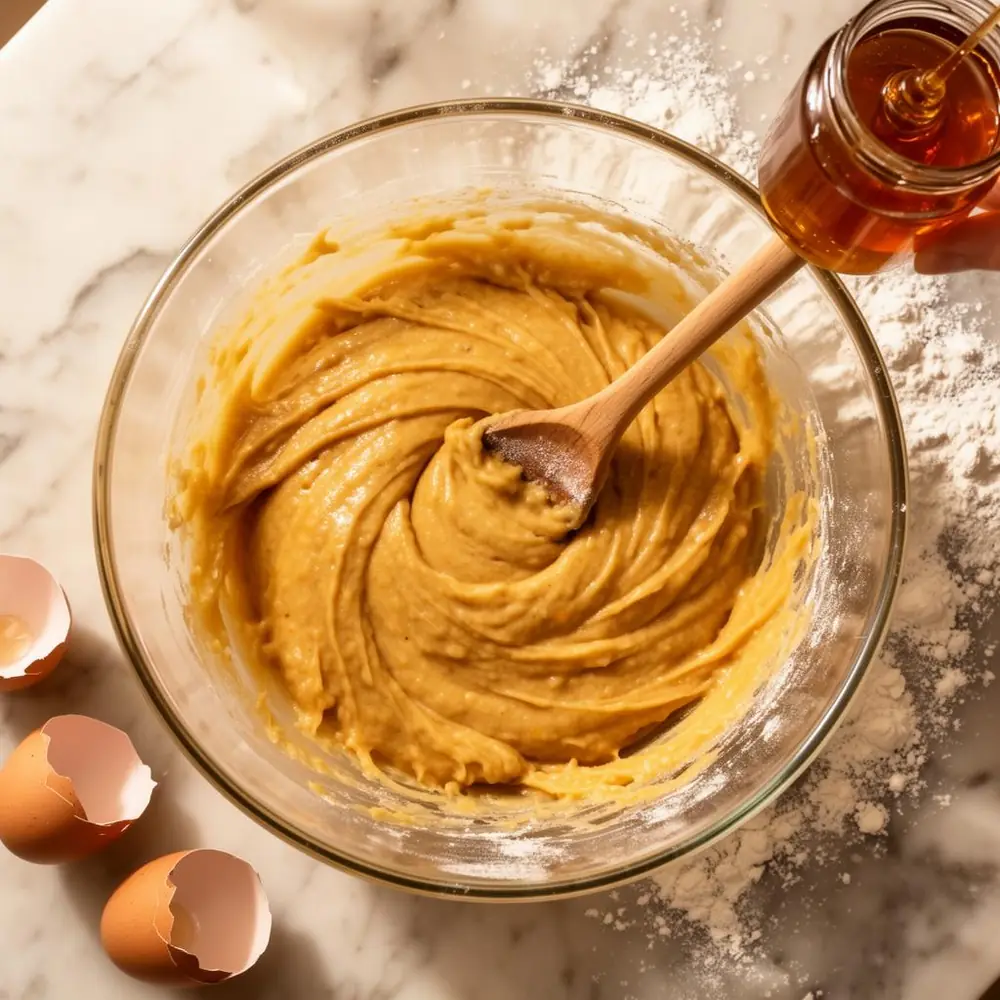
Why This Recipe Works
Plenty of honey cake recipes exist, but many produce dry, dense loaves that sit untouched on the buffet table. This version was developed to solve the three most common honey cake problems: dryness, over-spicing, and a flat flavor profile.
- Oil, not butter, keeps the crumb incredibly moist for up to a week — and keeps the cake pareve for meat meals.
- Brewed coffee deepens the flavor without making the cake taste like coffee; the bitterness balances the honey's sweetness.
- A measured spice blend (cinnamon, ginger, cloves) adds warmth without overpowering the honey.
- Orange juice and zest bring brightness and acidity, which lifts the entire flavor profile.
- Two-stage mixing prevents overworking the gluten, so the crumb stays tender rather than tough.
Ingredients
This recipe makes one large loaf cake or two smaller loaves. It scales well if you want to bake in batches for gifting.
Dry Ingredients
- 3½ cups (440g) all-purpose flour
- 1 tsp baking powder
- 1 tsp baking soda
- 1 tsp kosher salt
- 2 tsp ground cinnamon
- 1 tsp ground ginger
- ½ tsp ground cloves
- ¼ tsp freshly grated nutmeg
Wet Ingredients
- 1 cup (340g) good-quality honey — wildflower or orange blossom are excellent choices
- 1 cup (200g) granulated sugar
- 1 cup (240ml) neutral oil (vegetable, canola, or light olive oil)
- ½ cup (120ml) strongly brewed coffee, cooled to room temperature
- ½ cup (120ml) fresh orange juice
- 2 large eggs, at room temperature
- 1 tsp vanilla extract
- Zest of 1 large orange
- ½ cup (75g) raisins or chopped dates (optional, for texture)
- ½ cup (60g) chopped walnuts or almonds (optional)
Equipment You'll Need
- One 9x5-inch (23x13cm) loaf pan, or two 8x4-inch (20x10cm) pans
- Parchment paper for lining
- Two large mixing bowls
- A sturdy whisk and a rubber spatula
- A fine grater or microplane for the orange zest
Step-by-Step Instructions
Step 1: Prep the Pan and Preheat
Preheat your oven to 325°F (165°C). Line your loaf pan with parchment paper, leaving an overhang on the long sides for easy removal. Lightly grease any exposed pan surface. Because honey cake is dense and moist, a lower baking temperature ensures the interior cooks through before the exterior over-browns.
Step 2: Combine the Dry Ingredients
In a large bowl, whisk together the flour, baking powder, baking soda, salt, cinnamon, ginger, cloves, and nutmeg until evenly distributed. This step is more important than it looks — unevenly mixed leavening or spices will leave you with salty pockets or domed, lopsided loaves.
Step 3: Mix the Wet Ingredients
In a separate large bowl, combine the honey, sugar, oil, coffee, orange juice, eggs, vanilla extract, and orange zest. Whisk vigorously until the mixture is smooth, glossy, and well emulsified. The honey will want to settle at the bottom, so keep whisking until it is fully incorporated. This fragrant, golden liquid is the soul of your cake.
Step 4: Bring Them Together
Pour the dry ingredients into the wet ingredients. Using a rubber spatula, fold gently until just combined and no dry streaks remain. Do not overmix — a few small lumps are fine. Overworking the batter at this stage develops gluten, which leads to a tough, rubbery crumb instead of the tender, velvety texture you want.
Step 5: Add Fruit and Nuts (Optional)
If you are using raisins, dates, or nuts, fold them in now. Tossing them lightly in flour before adding (a tablespoon from your measured dry ingredients) helps prevent them from sinking to the bottom of the loaf during baking. This is a classic baker's trick that ensures even distribution.
Step 6: Bake Low and Slow
Transfer the batter to your prepared pan. It will be fairly thin and pourable — this is correct. Bake for 60 to 75 minutes for a single large loaf, or 45 to 55 minutes for two smaller loaves. The cake is done when a tester inserted into the center comes out clean or with just a few moist crumbs, and the top springs back when lightly pressed.
Step 7: Cool Completely
This is the hardest part, and arguably the most important. Let the cake cool in the pan for 15 minutes, then lift it out using the parchment overhang and transfer to a wire rack. Let it cool fully — at least 2 hours — before slicing. Honey cake's flavor actually deepens and improves after a day, so if you can resist, wrap it tightly and slice tomorrow.
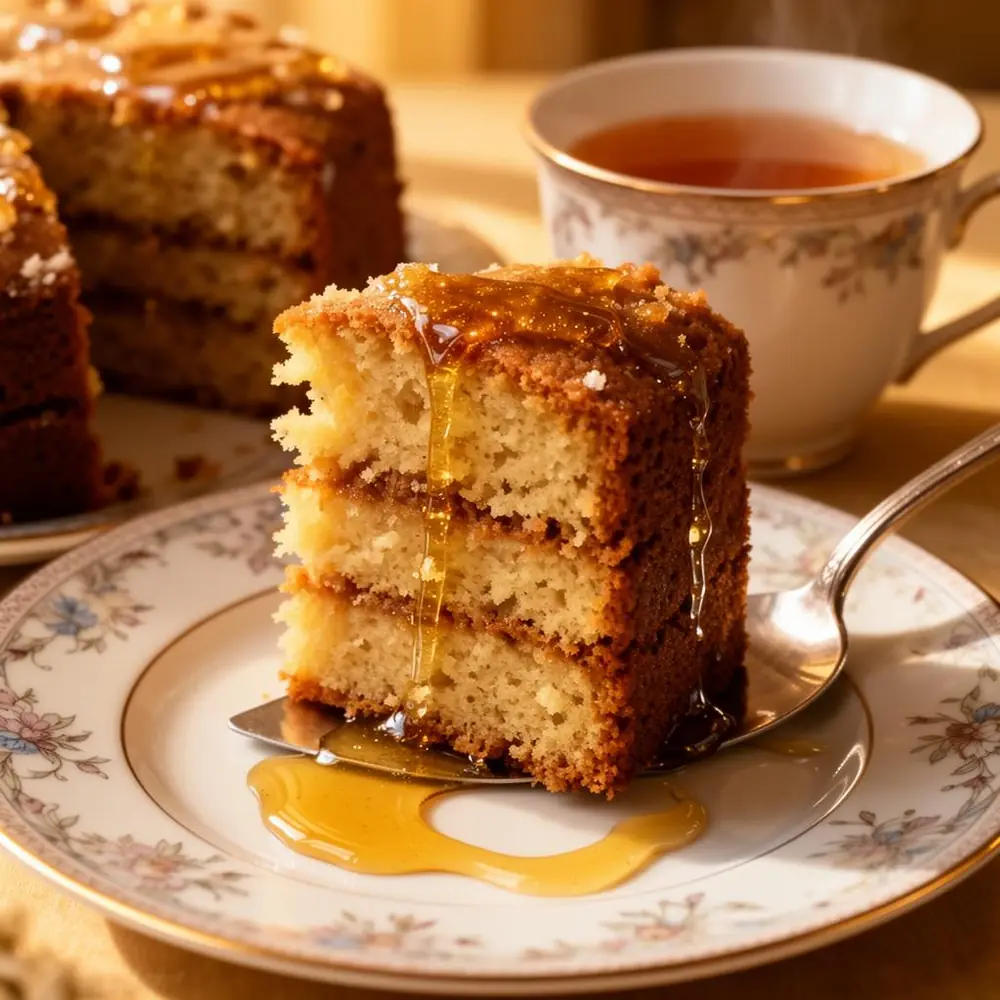
Serving Suggestions
Honey cake is traditionally served plain, sliced thick, with no adornment needed. But there are beautiful ways to elevate it depending on the occasion.
- For Rosh Hashanah: Serve with sliced apples and a small dish of honey for dipping, alongside a cup of tea or sweet kosher wine.
- For brunch: Toast a slice gently and spread with salted butter or cream cheese — the contrast of salty and sweet is divine.
- For dessert: Drizzle with a little extra honey and add a dollop of Greek yogurt or vanilla bean ice cream.
- For afternoon tea: Cut thin slices and serve on a cake plate with citrus wedges and strong black tea.
Modern Variations Worth Trying
Once you master the classic, the possibilities are endless. These variations have all been tested and keep the essential character of lekach intact.
- Apple Honey Cake: Fold in 1½ cups of finely diced, peeled apples. The fruit softens during baking and creates almost a cake-meets-strudel texture.
- Chocolate Honey Cake: Replace ¼ cup of flour with unsweetened cocoa powder and add ½ cup of mini chocolate chips. The bitterness of cocoa pairs beautifully with honey.
- Spiced Fig and Walnut: Use chopped dried figs instead of raisins, increase the walnuts to 1 cup, and add ¼ teaspoon of cardamom for a Middle Eastern twist.
- Glazed Orange Honey Cake: Brush the cooled cake with a simple glaze of powdered sugar and orange juice, then top with candied orange peel for an elegant finish.
Expert Tips for the Best Honey Cake
- Choose your honey wisely: Dark buckwheat honey will give an intense, almost molasses-like flavor. Light clover honey is mild and sweet. Wildflower sits beautifully in the middle. Match the honey to your mood.
- Don't skip the coffee: Even if you don't drink coffee, the brewed coffee adds depth and bitterness that balances the sweetness. It will not taste like a mocha cake — promise.
- Room temperature matters: Cold eggs or orange juice can cause the oil to seize and create a separated batter. Let everything sit out for 30 minutes before mixing.
- Wrap and wait: Honey cake is one of the rare desserts that improves with age. Wrapped well in plastic and then foil, it stays moist and flavorful for up to 10 days.
- Freeze with confidence: Slice the cooled cake, wrap individual portions in plastic, and freeze for up to 3 months. Thaw at room temperature for an hour — perfect for unexpected guests.
The Symbolism of Honey in Jewish Culture
Beyond its culinary qualities, honey carries profound weight in Jewish tradition. The Torah describes Israel as “a land flowing with milk and honey.” On Rosh Hashanah, dipping apples in honey is a ritual of hope. And the hope embedded in honey cake is not just for sweetness, but for the kind of sweetness that lingers — the kind that comes from patience, from tradition, from gathering together.
A honey cake is not just dessert. It is a prayer you can eat, a wish for the year ahead, and a connection to every generation that baked one before you.
Common Mistakes to Avoid
- Baking at too high a temperature, which dries the exterior before the center sets.
- Overmixing the batter after adding flour, which develops gluten and creates a tough crumb.
- Slicing while warm, which causes the delicate crumb to crumble and compress.
- Using low-quality honey with off-flavors — the honey is the star, so choose one you would eat by the spoonful.
- Forgetting to line the pan, which leads to a stuck cake and heartbreak at the unmolding stage.
Make-Ahead and Storage Guide
Honey cake is the ultimate make-ahead dessert. In fact, you should make it ahead. The flavors meld, the honey fully hydrates the crumb, and the spices seem to amplify overnight. For Rosh Hashanah, many families bake their honey cakes several days before the holiday and store them wrapped at room temperature.
To store, let the cake cool completely, then wrap tightly in plastic wrap. For longer storage, wrap again in aluminum foil. It keeps at room temperature for 7 to 10 days. Do not refrigerate — the cold air will dry it out faster than simply keeping it wrapped at room temperature.
Key Takeaways
- Jewish honey cake (lekach) is a deeply spiced, moist cake made with honey, coffee, orange, and warm spices.
- Oil keeps it pareve and incredibly moist; brewed coffee deepens the flavor without tasting like coffee.
- The cake improves after a day of rest and stays fresh for up to 10 days when wrapped well.
- Modern variations include apple, chocolate, fig-walnut, and glazed orange versions.
- It carries centuries of symbolism as a Rosh Hashanah tradition representing hope for a sweet new year.
Frequently Asked Questions
What is Jewish honey cake (lekach)?
Lekach is a traditional Jewish honey cake made with generous amounts of honey, warm spices like cinnamon and cloves, brewed coffee, orange juice, and oil. It is especially associated with Rosh Hashanah, where eating sweet foods symbolizes hope for a sweet new year.
Why is coffee used in honey cake?
Brewed coffee adds depth and a subtle bitterness that balances the intense sweetness of the honey. It does not make the cake taste like coffee; instead, it creates a more complex, rounded flavor profile and helps deepen the cake's color.
Can I make honey cake without eggs?
Yes, you can substitute each egg with ¼ cup of unsweetened applesauce or a commercial egg replacer. The texture will be slightly denser but still delicious. For best results, add an extra ½ teaspoon of baking powder to help with rise.
How long does honey cake stay fresh?
When wrapped tightly in plastic wrap and stored at room temperature, honey cake stays moist and flavorful for 7 to 10 days. In fact, the flavor often improves after the first day as the spices bloom and the honey fully hydrates the crumb.
Can I freeze Jewish honey cake?
Absolutely. Let the cake cool completely, then wrap individual slices or whole loaves tightly in plastic wrap and foil. Freeze for up to 3 months. Thaw at room temperature for about an hour before serving — no reheating necessary.
What type of honey works best for lekach?
Any good-quality honey will work, but the variety changes the character. Wildflower honey is balanced and floral. Orange blossom is light and citrusy. Dark buckwheat honey creates an intense, almost molasses-like depth. Choose one you enjoy eating on its own.
Loved this recipe?
Share it with your family, leave a comment, and explore more traditional and modern Jewish dishes on JewishCuisine.
Explore more Desserts recipes