Jewish Apple Cake: The Tender, Cinnamon-Spiced Loaf for Rosh Hashanah & Beyond
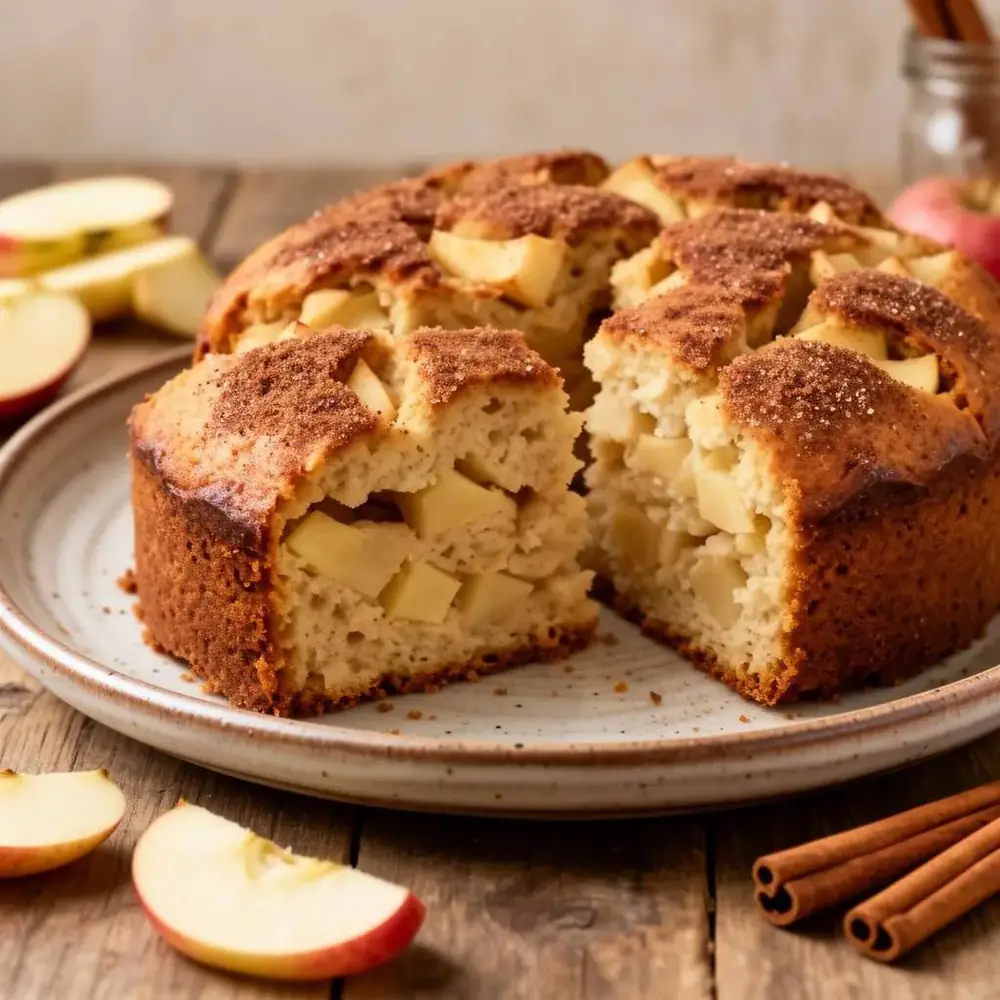
Few cakes carry as much love as a Jewish apple cake. Made with oil instead of butter, it's naturally pareve — meaning it can end a festive meat dinner without breaking the rules of kashrut — and it stays tender and moist for days. Apples and honey symbolize a sweet new year, which is why this humble loaf appears on so many Rosh Hashanah tables, but its cinnamon-perfumed crumb makes it a year-round favorite too.
Ingredients
For the Cinnamon Apples
- 4 large baking apples (Granny Smith or Honeycrisp), peeled and chopped
- 2 teaspoons ground cinnamon
- 3 tablespoons granulated sugar
For the Cake Batter
- 3 cups (375g) all-purpose flour
- 2 cups (400g) granulated sugar
- 1 cup (240ml) neutral oil (such as canola or sunflower)
- 4 large eggs
- ¼ cup (60ml) orange juice
- 2½ teaspoons baking powder
- 1 teaspoon vanilla extract
- ½ teaspoon salt
Step-by-Step Instructions
Step 1: Prep the Apples
- Peel, core, and chop the apples into bite-sized pieces.
- Toss with cinnamon and sugar, then set aside while you make the batter.
Step 2: Make the Batter
- Whisk flour, sugar, baking powder, and salt in a large bowl.
- In another bowl, beat the eggs, oil, orange juice, and vanilla until smooth.
- Stir the wet ingredients into the dry just until combined — don't overmix.
Step 3: Layer & Bake
- Pour half the batter into a greased tube or bundt pan.
- Add half the cinnamon apples, then the remaining batter, and finish with the rest of the apples on top.
- Bake at 350°F (175°C) for 60–70 minutes until a skewer comes out clean.
- Cool in the pan for 20 minutes before turning out.
Use oil, layer the apples, and let it rest overnight. Those three moves give you a cake that's moist for days and tastes like someone's grandmother made it.
A Little Jewish Culinary History
Apple cake has deep roots in the Ashkenazi kitchen, where apples were plentiful and affordable across Central and Eastern Europe. Because dessert often followed a meat-based holiday meal, Jewish bakers perfected oil-based cakes that skipped dairy entirely. When apples and honey took center stage at Rosh Hashanah as symbols of a sweet new year, the apple cake earned its permanent place on the holiday table. Carried to America by immigrant families, it became a beloved fixture in Jewish-American homes and delis alike.
Cooking Tips From the Experts
- Use firm, tart apples so they hold their shape and balance the sweetness.
- Don't overmix the batter or the crumb turns dense.
- Layer the apples through the middle, not just on top, for ribbons in every slice.
- Let the cake rest overnight — the flavor and moisture deepen beautifully.
Common Mistakes to Avoid
- Using soft apples that turn to mush in the oven.
- Underbaking the dense center — test with a skewer.
- Turning the cake out too soon, before it sets.
- Skipping the orange juice, which adds moisture and a subtle brightness.
Key Takeaways
- Jewish apple cake is naturally pareve thanks to oil instead of butter.
- Layering cinnamon apples through the batter gives ribbons in every slice.
- Apples symbolize a sweet new year, making it a Rosh Hashanah classic.
- The cake stays moist for days and tastes even better the next day.
Frequently Asked Questions
What are the best apples for Jewish apple cake?
Firm, tart apples like Granny Smith or Honeycrisp work best. They hold their shape during baking and balance the sweetness of the batter.
Is Jewish apple cake pareve?
Yes. Because it's made with oil instead of butter and contains no dairy, it's naturally pareve and can be served after a meat meal.
How do I keep the cake moist?
Use oil, don't overbake, and let the cake rest overnight. The orange juice in the batter also adds moisture and a subtle brightness.
Loved this recipe?
Share it with your family, leave a comment, and explore more traditional and modern Jewish dishes on JewishCuisine.
Explore more Desserts recipes