Ptitim: The Toasted Israeli Couscous Born in a Time of Rationing
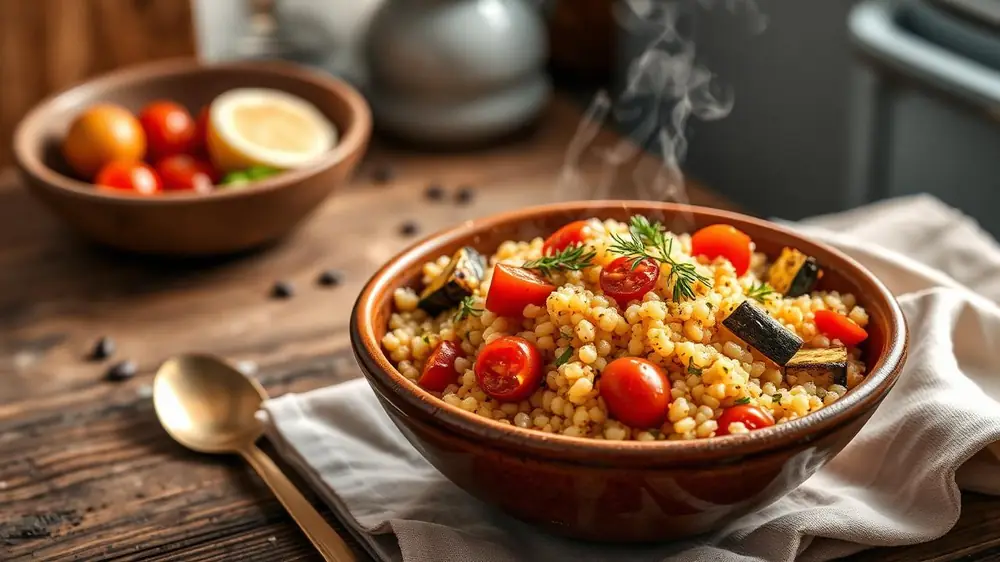
Some of the most beloved foods are born out of hardship, and few prove that better than ptitim — the small, toasted wheat pearls the rest of the world calls Israeli couscous. Springy, nutty, and endlessly versatile, ptitim started life as a humble substitute for rice during one of the leanest periods in Israel's young history. Today it shows up everywhere from weeknight dinners and lunchboxes to upscale restaurant plates.
If you've only ever had Israeli couscous as a bland side dish, you've been missing what makes it special. Toasted properly and cooked like a pilaf, ptitim develops a deep, golden flavor and a satisfying chew that's somewhere between pasta and grain. It soaks up broth, herbs, and roasted vegetables beautifully, which is exactly why it has become a staple far beyond Israel.
This guide walks you through where ptitim came from, why it's having a moment in kitchens around the world, and the simple technique that turns a bag of little pearls into a dish people ask you to make again. Once you understand the toasting step, you'll never cook it any other way.
Table of Contents
- What Exactly Is Ptitim?
- A Little History & Culture
- Why Israeli Couscous Is Trending
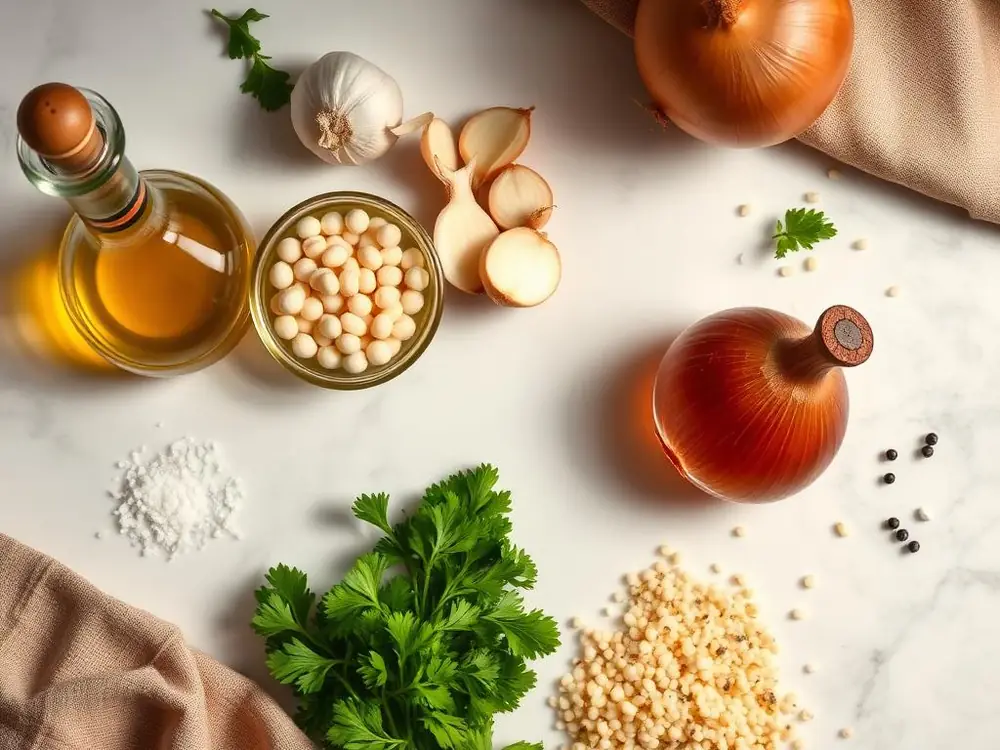
- Ingredients You'll Need
- Step-by-Step Instructions
- Expert Tips for Perfect Ptitim
- Common Mistakes to Avoid
- Frequently Asked Questions
- Key Takeaways
- Conclusion
What Exactly Is Ptitim?
Ptitim isn't really couscous at all. Traditional North African couscous is made from semolina that's moistened and rolled into tiny granules, then steamed. Ptitim, by contrast, is an extruded wheat pasta shaped into small spheres (or sometimes little rice-like grains and loops) and then toasted, which gives it its characteristic golden color and nutty aroma. In other words, it's closer to a tiny pasta than to a grain.
- Made from wheat flour, like pasta — not from steamed semolina granules.
- Toasted during manufacturing, which gives it a deeper, nuttier flavor than plain pasta.
- Springy and chewy when cooked, with a pleasant bite that holds up in salads and stews.
- Naturally neutral, so it carries broth, herbs, lemon, and roasted vegetables with ease.
A Little History & Culture
Ptitim was created in the early 1950s, during Israel's austerity period known as the Tzena, when food was rationed and rice — a staple for the many Mizrahi Jewish immigrants arriving from Arab countries — was scarce and expensive. According to the widely told account, Israel's first prime minister, David Ben-Gurion, asked the Osem food company to develop a wheat-based substitute for rice that could be produced locally and affordably.
The result was a toasted wheat product that families could stretch and dress up however they liked. It earned the affectionate nickname 'Ben-Gurion rice' (orez Ben-Gurion), and what began as a wartime workaround became a permanent fixture of Israeli home cooking. Generations of Israeli children grew up on buttery ptitim, and that nostalgia is a big part of why it remains so beloved today.
Why Israeli Couscous Is Trending
Israeli couscous has quietly become a darling of modern kitchens, and the timing makes sense. Home cooks are hungry for ingredients that are fast, forgiving, and endlessly adaptable, and ptitim checks every box. It cooks in minutes, works hot or cold, and pairs with almost anything — making it a natural fit for the kind of flexible, vegetable-forward eating people gravitate toward now.
There's also a broader cultural wave lifting it up. As interest in Israeli and Mediterranean cooking continues to grow, dishes that were once niche are reaching mainstream tables. Ptitim photographs beautifully, suits meal-prep routines, and gives plant-based cooks a hearty base for bowls and salads. Add the good story behind it, and it's easy to see why it keeps showing up on menus and feeds.
Ingredients You'll Need
For the Base
- 1½ cups Israeli couscous (ptitim / pearl couscous)
- 2 tablespoons olive oil or butter
- 1 small onion, finely diced
- 2 cloves garlic, minced
- 2 cups vegetable or chicken stock (or water with a bouillon cube)
- ½ teaspoon kosher salt, plus more to taste
- Freshly ground black pepper
Optional Add-Ins
- Roasted cherry tomatoes, zucchini, or bell peppers
- Chopped fresh parsley, dill, or mint
- Toasted pine nuts or slivered almonds
- Lemon zest and a squeeze of fresh lemon juice
- Pomegranate seeds, for color and a sweet-tart finish
Step-by-Step Instructions
Step 1: Build the Flavor Base
- Heat the olive oil or butter in a saucepan over medium heat.
- Add the diced onion and cook until soft and translucent, about 4 to 5 minutes.
- Stir in the garlic and cook just until fragrant, about 30 seconds.
Step 2: Toast the Ptitim
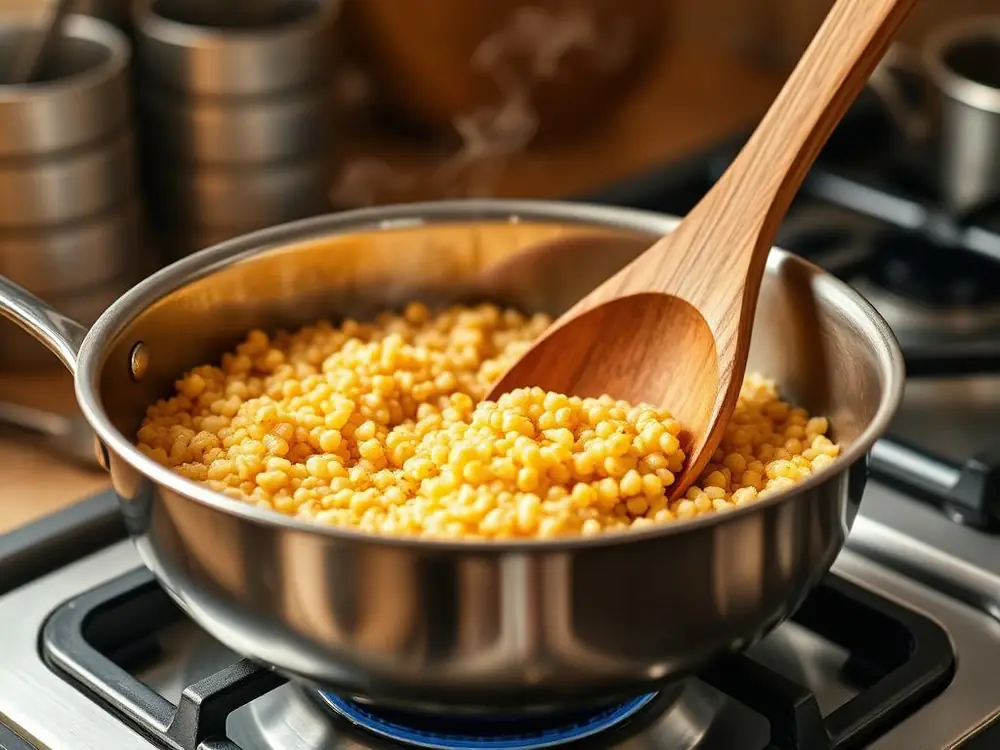
- Add the dry Israeli couscous to the pan with the onion and garlic.
- Stir constantly for 2 to 3 minutes until the pearls turn a shade darker and smell nutty.
- Don't rush this — the toasting is what gives ptitim its signature flavor.
Step 3: Simmer
- Pour in the stock, add the salt and a few grinds of pepper, and stir.
- Bring to a gentle boil, then reduce the heat to low and cover.
- Simmer for about 10 to 12 minutes, until the liquid is absorbed and the pearls are tender with a slight chew.
Step 4: Rest & Finish
- Turn off the heat and let it sit, covered, for 5 minutes to finish steaming.
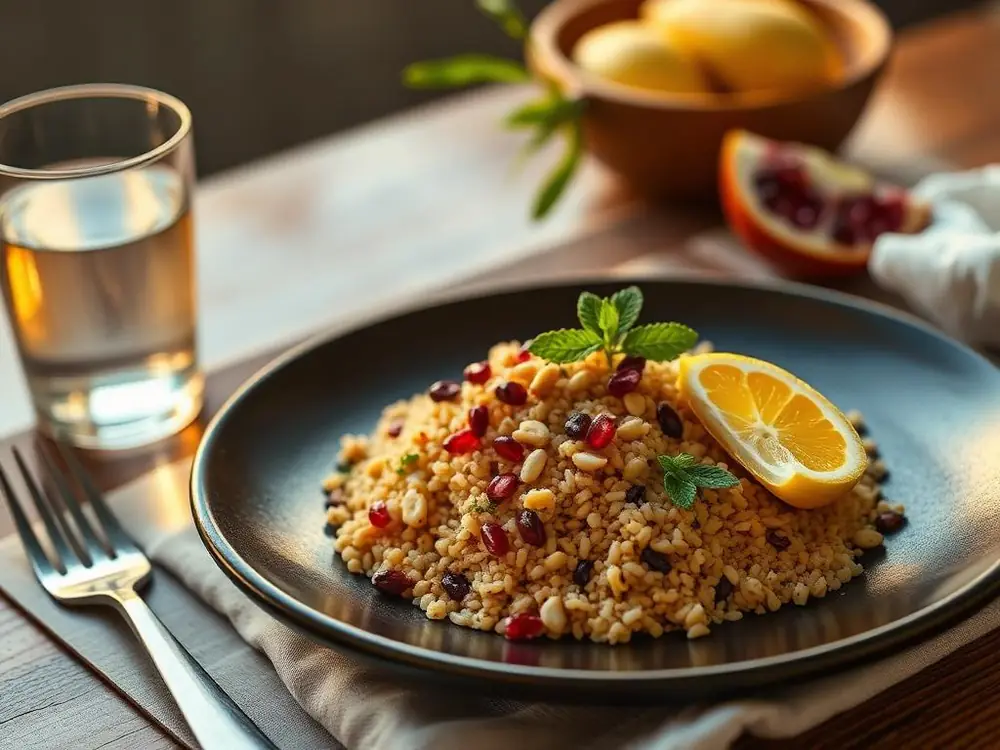
- Fluff with a fork, then fold in your add-ins — herbs, roasted vegetables, nuts, or lemon.
- Taste and adjust the salt and acid before serving warm or at room temperature.
Toast the pearls, season the broth, and respect the rest. Ptitim turns from a plain side into something memorable when you treat it like a pilaf, not just boiled pasta.
Expert Tips for Perfect Ptitim
- Always toast the dry pearls first — it's the single biggest upgrade to flavor and aroma.
- Cook it in stock instead of water; the pearls are neutral and need seasoning from the inside.
- Use a roughly 1 to 1½ ratio of couscous to liquid, and adjust slightly for a softer or firmer bite.
- Let it rest off the heat before fluffing so the pearls finish steaming and don't clump.
- Brighten the finished dish with lemon and fresh herbs to keep it from tasting flat.
Common Mistakes to Avoid
- Skipping the toasting step, which leaves the ptitim pale and bland.
- Cooking it in plain unsalted water, so the pearls taste washed out no matter what you add.
- Using too much liquid, which turns the springy pearls soft and mushy.
- Lifting the lid and stirring constantly while it simmers, releasing steam and starch.
- Forgetting the acid — a squeeze of lemon at the end transforms the whole dish.
Key Takeaways
- Ptitim, or Israeli couscous, is a toasted wheat pasta invented in 1950s Israel as a rice substitute.
- It earned the nickname 'Ben-Gurion rice' after the prime minister who championed it during rationing.
- Toasting the dry pearls and cooking them in seasoned stock is the key to deep flavor.
- It's pareve and vegan with oil, endlessly adaptable, and works hot or cold — but it's chametz, not for Passover.
Frequently Asked Questions
What is the difference between Israeli couscous and regular couscous?
Regular (Moroccan) couscous is made from steamed semolina granules and is very small, while Israeli couscous (ptitim) is an extruded, toasted wheat pasta shaped into larger round pearls. Ptitim is chewier and has a nuttier, toasted flavor, behaving more like a small pasta than a grain.
Why is Israeli couscous called Ben-Gurion rice?
It was developed in the 1950s during Israel's austerity period, when rice was scarce. Prime Minister David Ben-Gurion reportedly asked the Osem company to create an affordable wheat-based rice substitute, so the toasted pearls became affectionately known as 'Ben-Gurion rice.'
Do I have to toast ptitim before cooking it?
You don't have to, but you should. Toasting the dry pearls in a little oil or butter for a few minutes before adding liquid deepens the flavor and gives ptitim its signature nutty, golden character. Skipping it leaves the dish noticeably blander.
Is Israeli couscous kosher for Passover?
No. Ptitim is made from wheat flour and is considered chametz, so it is not suitable for Passover. During the rest of the year it is pareve when cooked with oil and water or vegetable stock, making it a flexible side for meat or dairy meals.
Can I make ptitim ahead of time?
Yes. Ptitim keeps well in the refrigerator for 3 to 4 days and is excellent in cold salads, which makes it great for meal prep. Reheat it gently with a splash of stock or water, and refresh it with lemon and fresh herbs just before serving.
Loved this recipe?
Share it with your family, leave a comment, and explore more traditional and modern Jewish dishes on JewishCuisine.
Explore more Traditional recipes