Homemade Pastrami: How to Make Jewish Deli Pastrami from Scratch
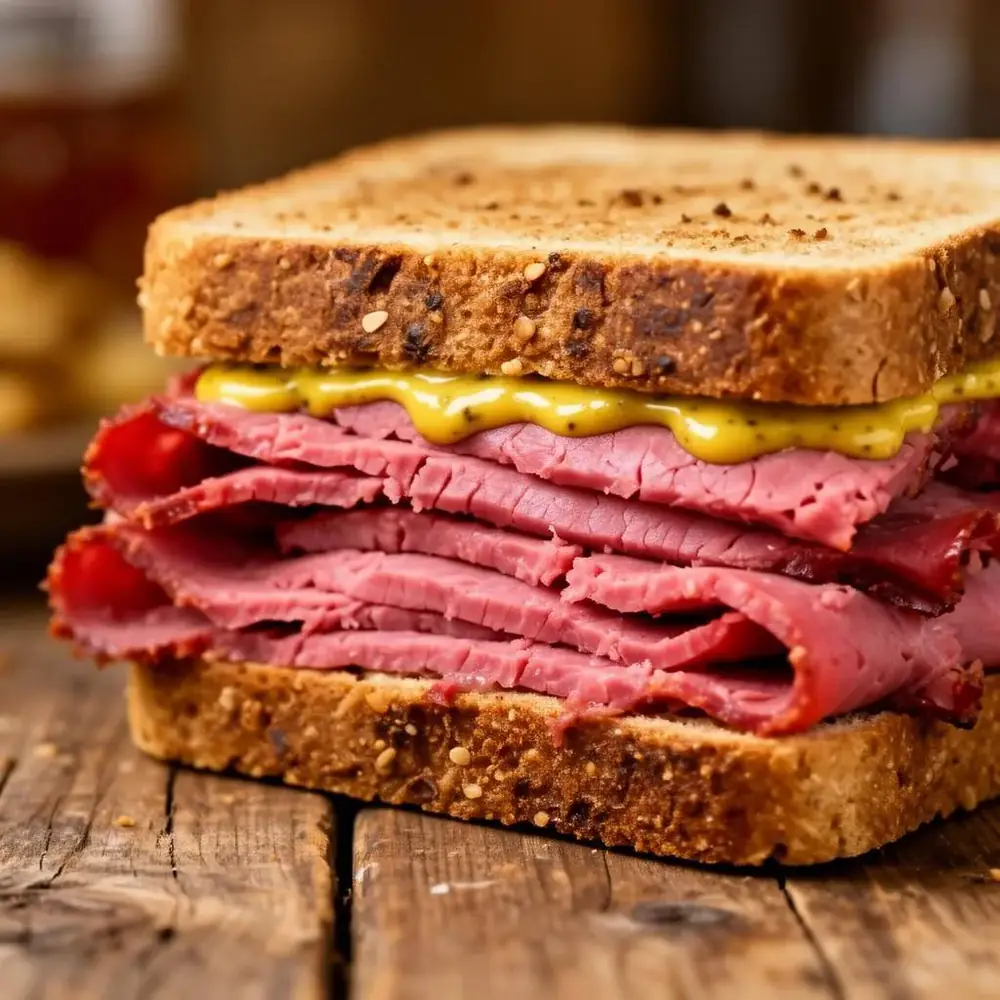
There may be no sandwich more iconic than pastrami on rye — a teetering stack of warm, peppery, ruby-pink beef piled between two slices of seeded rye and slicked with sharp yellow mustard. It is the cornerstone of the Jewish deli, the dish people line up around the block for, and the flavor that says “Lower East Side” in a single bite.
And right now, pastrami is everywhere. A new wave of Jewish delis is opening across the country — from buzzy new-school spots in Los Angeles to revived neighborhood institutions in Chicago — and Ashkenazi food is, somewhat suddenly, the coolest thing on the menu. The deli revival of the 2020s has put house-cured pastrami back in the spotlight, and home cooks are racing to recreate it.
Here is the good news: making pastrami at home is absolutely within reach. Yes, it takes a few days, but almost all of that is hands-off waiting. What you get in return is pastrami that rivals — and often beats — anything you can buy, made exactly to your taste. This guide walks you through every stage, from curing the brisket to the final steam that makes pastrami so impossibly tender.
What Exactly Is Pastrami?
Pastrami is beef — traditionally the navel or deckle, though brisket is now the most common cut — that is brined (cured) in a salty, spiced solution, coated in a thick crust of black pepper and coriander, smoked, and then steamed until meltingly tender. The result is deeply seasoned, smoky, and so soft it nearly falls apart.
If that process sounds familiar, it should: pastrami is essentially smoked, peppered corned beef. Both start with the same cure. The difference is that corned beef is simply boiled, while pastrami gets its signature pepper-coriander crust, a kiss of smoke, and a final steaming. Understanding that relationship makes the whole project much less intimidating.
The word itself traveled a long way to your sandwich. Pastrami descends from the Romanian pastramă, a method of preserving meat that Jewish immigrants carried to New York in the late 19th century, where it became a deli legend. Today it is one of the most beloved symbols of Jewish-American cooking.
Why Make Pastrami at Home?
- It tastes incredible — fresher, more peppery and more tender than most store-bought versions.
- You control everything — the salt level, the spice, the smoke, and how lean or fatty you want it.
- It is mostly hands-off — the brisket cures in the fridge for days while you do nothing.
- It is a showstopper — few things impress a table like a hand-sliced pastrami you cured yourself.
- It is more affordable than the deli when you make a big batch, and it freezes beautifully.
Ingredients
For the Cure (Brine)
- 1 first-cut beef brisket, about 4–5 lbs (or use a store-bought corned beef brisket to skip the curing step)
- 1 gallon (16 cups) cold water
- 1½ cups kosher salt
- 1 cup granulated sugar
- 4 teaspoons pink curing salt (Prague Powder #1) — essential for the signature color and safe curing
- 1 tablespoon whole black peppercorns
- 1 tablespoon coriander seeds
- 1 tablespoon mustard seeds
- 1 teaspoon whole cloves
- 6 cloves garlic, smashed
- 2 bay leaves
For the Pastrami Rub
- ½ cup coarsely ground black pepper
- ½ cup whole coriander seeds, toasted and coarsely crushed
- 2 tablespoons brown sugar
- 1 tablespoon smoked paprika (optional, for color and depth)
- 1 tablespoon garlic powder
- 1 teaspoon ground mustard
How to Make Pastrami: Step by Step
Step 1: Make the Brine
In a large pot, combine about 4 cups of the water with the kosher salt, sugar, pink curing salt, and all the brine spices. Bring it to a simmer, stirring until the salt and sugar fully dissolve, then turn off the heat. Add the remaining cold water to cool the brine down completely — it must be cold before the meat goes in. Stir in the smashed garlic and bay leaves.
Step 2: Cure the Brisket
Place the brisket in a large non-reactive container or a heavy-duty brining bag and pour the cooled brine over it so the meat is fully submerged. Weigh it down with a plate if it floats. Cover and refrigerate for 5 to 7 days, turning the brisket once a day so it cures evenly. Patience here is what builds that deep, all-the-way-through flavor.
Step 3: Rinse and Dry
After curing, remove the brisket and rinse it thoroughly under cold water to wash off excess surface salt. For the best texture, soak it in a bowl of fresh cold water for 1 to 2 hours (changing the water once), which mellows the saltiness. Pat it completely dry and, if you have time, leave it uncovered in the fridge overnight so the surface dries — this helps the rub and smoke adhere.
Step 4: Apply the Rub
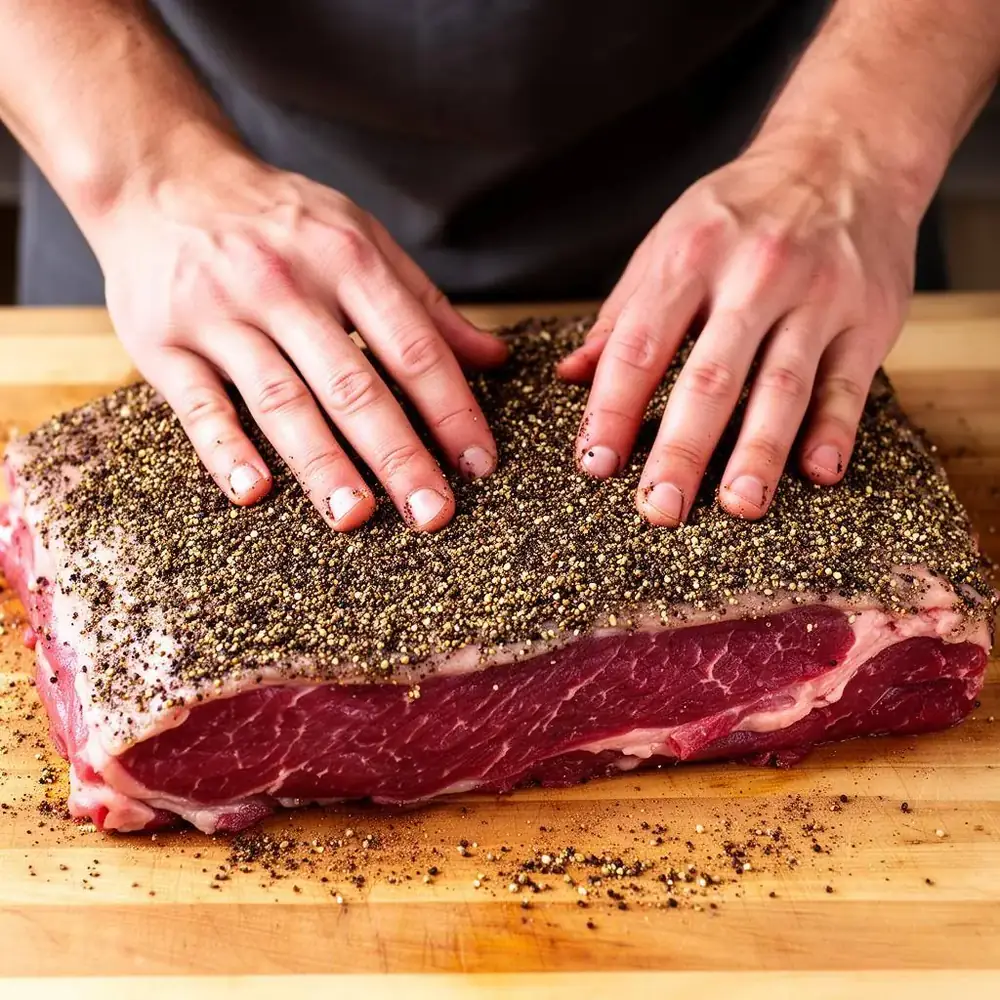
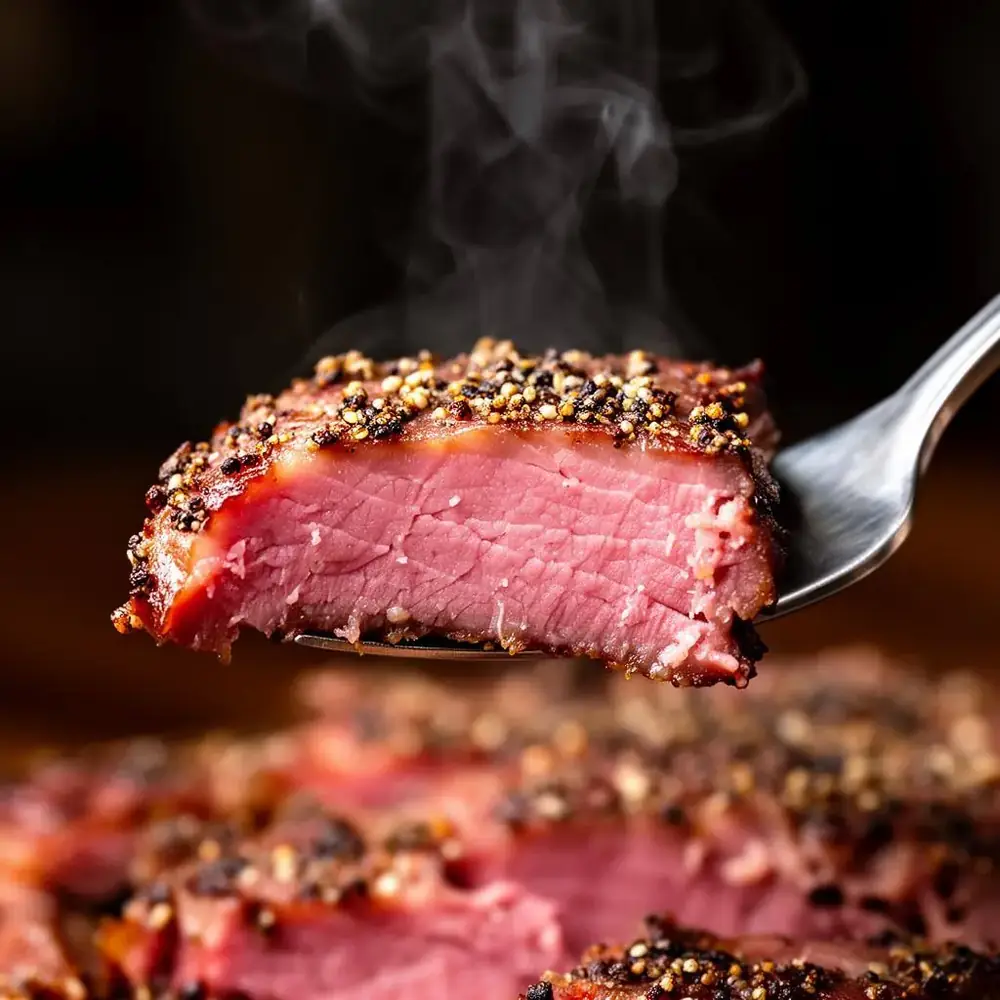
Mix all the rub ingredients together. Coat the entire brisket in a thick, even layer, pressing firmly so the crushed pepper and coriander really stick. Don't be shy — this generous black-and-gold crust is the defining feature of great pastrami, both in flavor and that classic deli look.
Step 5: Smoke the Pastrami
Set up your smoker (or grill for indirect heat) to a steady 225°F to 250°F, using a mild hardwood like hickory, oak, or cherry. Smoke the brisket until the internal temperature reaches about 150°F, roughly 3 to 4 hours. The meat will take on a beautiful mahogany color and a layer of smoke. No smoker? See the oven method below — it still produces excellent pastrami.
Step 6: Steam Until Tender
This is the magic step. Steaming is what transforms a firm smoked brisket into classic, tender pastrami. Place the brisket on a rack over an inch of simmering water in a large covered pot (or use a roasting pan with a rack, covered tightly with foil). Steam over low heat until the internal temperature reaches 200°F to 203°F, about 2 to 3 hours. At this point the connective tissue has broken down and the meat is fork-tender.
Step 7: Rest, Slice, and Serve
Let the pastrami rest for at least 20 to 30 minutes before slicing — this keeps it juicy. Then slice it against the grain as thinly as you can. Pile it warm onto fresh rye bread with deli mustard, and there it is: real-deal pastrami on rye from your own kitchen. For the full experience, serve with a half-sour pickle on the side.
No Smoker? The Oven Method
You do not need fancy equipment to make great pastrami. After applying the rub, place the brisket on a rack in a roasting pan and roast at 250°F until it reaches 150°F internally, about 3 hours. To mimic smoke, add a teaspoon of liquid smoke to the rub or to the steaming water. Then add about an inch of water to the bottom of the pan, cover tightly with foil, and continue cooking at 300°F until the meat hits 200°F to 203°F — the foil traps steam and tenderizes just like a steamer.
Tips for the Best Pastrami
- Choose the right cut. A whole packer brisket with a good fat cap stays the juiciest; first-cut (flat) is leaner and slices neatly. The navel cut is the most traditional if you can find it.
- Cure long enough. Five to seven days lets the brine penetrate to the center. Rushing the cure leaves the middle gray and bland.
- Soak to control salt. A short soak in fresh water after curing prevents an overly salty result — don't skip it.
- Crush, don't grind, the spices. Coarsely cracked pepper and coriander give that signature craggy crust; fine powder won't.
- Cook to temperature, not time. Pastrami is done when it's probe-tender around 203°F, regardless of the clock.
- Slice against the grain. Thin slices across the muscle fibers are the difference between tender and chewy.
Ways to Serve Pastrami
- Pastrami on rye: The classic — warm pastrami, seeded rye, and yellow mustard. Nothing else required.
- Reuben sandwich: Layer pastrami (or corned beef) with sauerkraut, Swiss-style cheese, and Russian dressing on grilled rye.
- Pastrami hash: Dice leftovers and crisp them with potatoes and onions for an unbeatable brunch.
- Pastrami board: Serve thin slices with pickles, mustard, and rye for a deli-style platter.
A pastrami sandwich isn't just lunch — it's a piece of immigrant history you can hold in two hands.
Storage and Make-Ahead
Pastrami is a fantastic make-ahead project. Once cooked and cooled, wrap it tightly and refrigerate for up to a week. To reheat, steam slices for a few minutes until warm and juicy — microwaving tends to dry it out. Pastrami also freezes beautifully: slice it, portion it into freezer bags, and freeze for up to 3 months. Thaw in the fridge and steam to serve.
Because the whole process takes the better part of a week, many home cooks cure two briskets at once. The effort is nearly identical, and you'll be glad to have a stash ready for sandwiches, Reubens, and that 11 p.m. craving that only pastrami can fix.
Key Takeaways
- Pastrami is cured (brined) beef brisket coated in a pepper-coriander crust, smoked, and then steamed until fork-tender.
- Pink curing salt (Prague Powder #1) is essential for the signature pink color and safe curing — it is not the same as pink Himalayan salt.
- The process takes about a week, but it's mostly hands-off: 5–7 days curing in the fridge, then smoking and steaming.
- Steaming to an internal temperature of 200°F–203°F is the secret to melt-in-your-mouth deli pastrami.
- No smoker required — an oven method with a touch of liquid smoke and a foil-covered steam produces excellent results.
Frequently Asked Questions
What is the difference between pastrami and corned beef?
Both start from the same brined (cured) beef brisket. Corned beef is then simply boiled, while pastrami is coated in a black pepper and coriander rub, smoked, and steamed. That smoke and pepper crust is what makes pastrami distinct.
Do I need a smoker to make pastrami?
No. While a smoker adds classic flavor, you can make excellent pastrami in the oven. Roast the rubbed brisket at a low temperature, add a little liquid smoke for that smoky note, then cover tightly with foil over water to steam it tender.
How long does it take to make homemade pastrami?
Plan for about a week. The brisket cures in the brine for 5 to 7 days (almost entirely hands-off), followed by roughly 3 to 4 hours of smoking and 2 to 3 hours of steaming on cooking day.
Can I skip the curing step?
Yes. If you start with a store-bought corned beef brisket, it's already cured. Just soak it to reduce saltiness, apply the pepper-coriander rub, then smoke (or roast) and steam it to turn it into pastrami.
Loved this recipe?
Share it with your family, leave a comment, and explore more traditional and modern Jewish dishes on JewishCuisine.
Explore more Traditional recipes