Creamy Shavuot Cheesecake: The Dairy Dessert That Crowns the Holiday
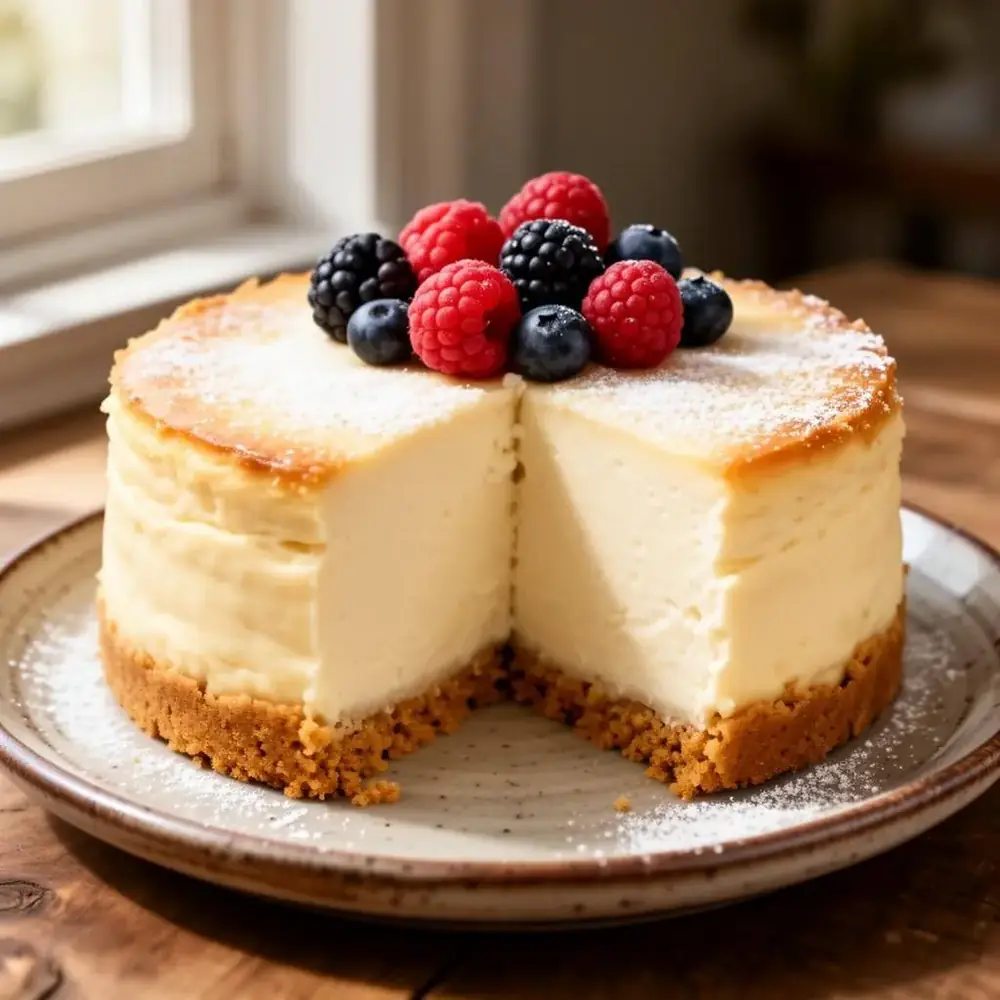
When Shavuot arrives in late spring, Jewish kitchens fill with the sweet aroma of baking dairy desserts — and no dish defines the holiday quite like cheesecake. Tall, creamy, and crowned with fresh berries, a homemade cheesecake is the centerpiece every family gathers around once the candles are lit.
Right now, searches for Shavuot cheesecake are surging as cooks look for a foolproof recipe that delivers that bakery-style, silky-smooth slice. The good news? A perfect cheesecake comes down to a few simple techniques — room-temperature ingredients, a gentle bake, and patience while it cools. This guide walks you through all of them.
Whether you grew up with a classic New York–style slice or your bubbe's lighter, lemon-kissed version, this recipe gives you a dependable foundation you can make your own.
Why Cheesecake for Shavuot?
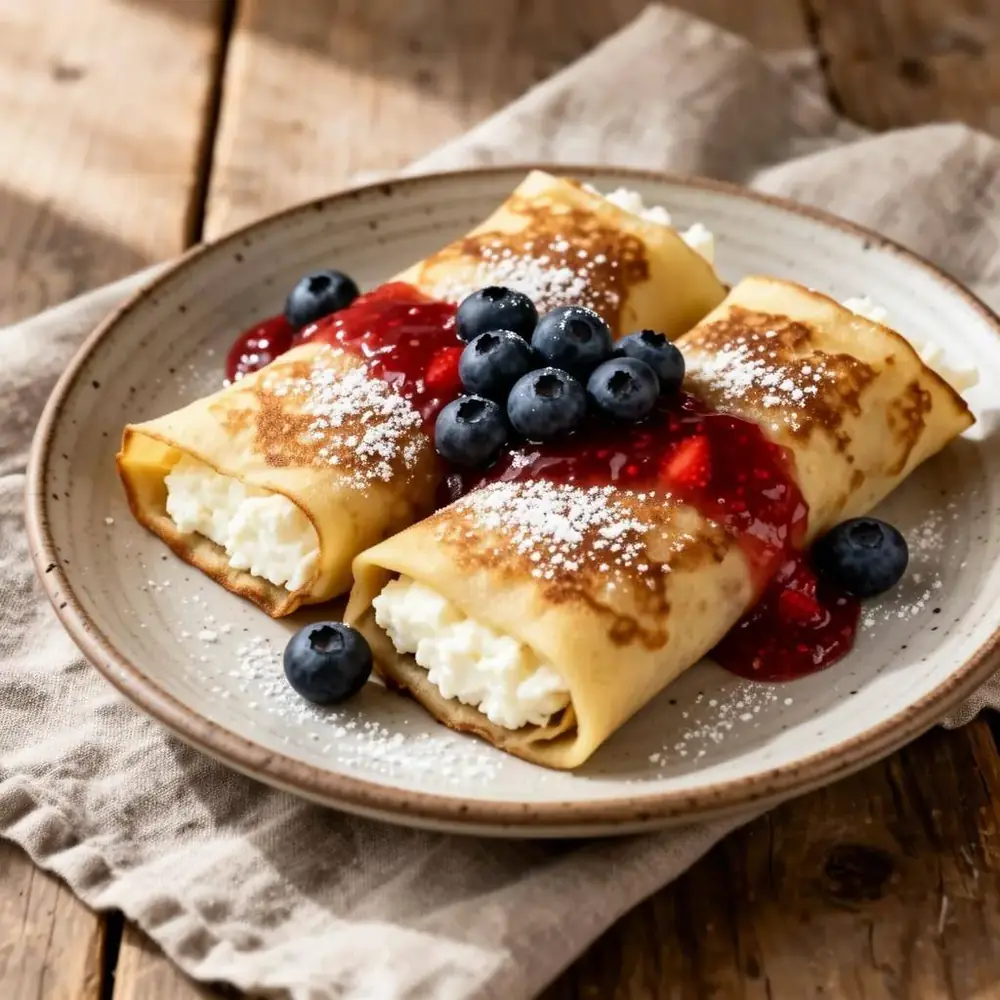
Shavuot celebrates the giving of the Torah at Mount Sinai, and it carries a beautiful, centuries-old tradition of eating dairy foods. Many explanations exist — from the idea that the Torah is likened to “milk and honey,” to the notion that the newly received laws of kosher slaughter left the Israelites eating dairy that first day. Whatever the reason, blintzes, kugels, and especially cheesecake have become the edible heart of the holiday.
Why You'll Love This Cheesecake
- Ultra-creamy, dense yet silky texture — no rubbery, cracked tops.
- A buttery golden graham crust that holds together beautifully.
- Beginner-friendly, with clear cues for every step.
- Naturally kosher dairy (milchig) — perfect for a Shavuot dessert table.
Ingredients
For the Graham Crust
- 2 cups graham cracker crumbs (about 16 full crackers)
- 6 tablespoons unsalted butter, melted
- ¼ cup sugar
- Pinch of salt
For the Creamy Filling
- 32 oz (four 8-oz blocks) full-fat cream cheese, room temperature
- 1 ¼ cups sugar
- 4 large eggs, room temperature
- 1 cup sour cream
- 2 teaspoons pure vanilla extract
- 1 tablespoon lemon zest plus 1 tablespoon lemon juice
- 2 tablespoons all-purpose flour (for a sturdier slice)
Step-by-Step Instructions
Step 1: Make the Crust
- Heat the oven to 325°F (165°C) and grease a 9-inch springform pan.
- Stir the graham crumbs, sugar, salt, and melted butter until sandy.
- Press firmly into the bottom and slightly up the sides of the pan.
- Bake 10 minutes, then set aside to cool while you make the filling.
Step 2: Mix the Filling
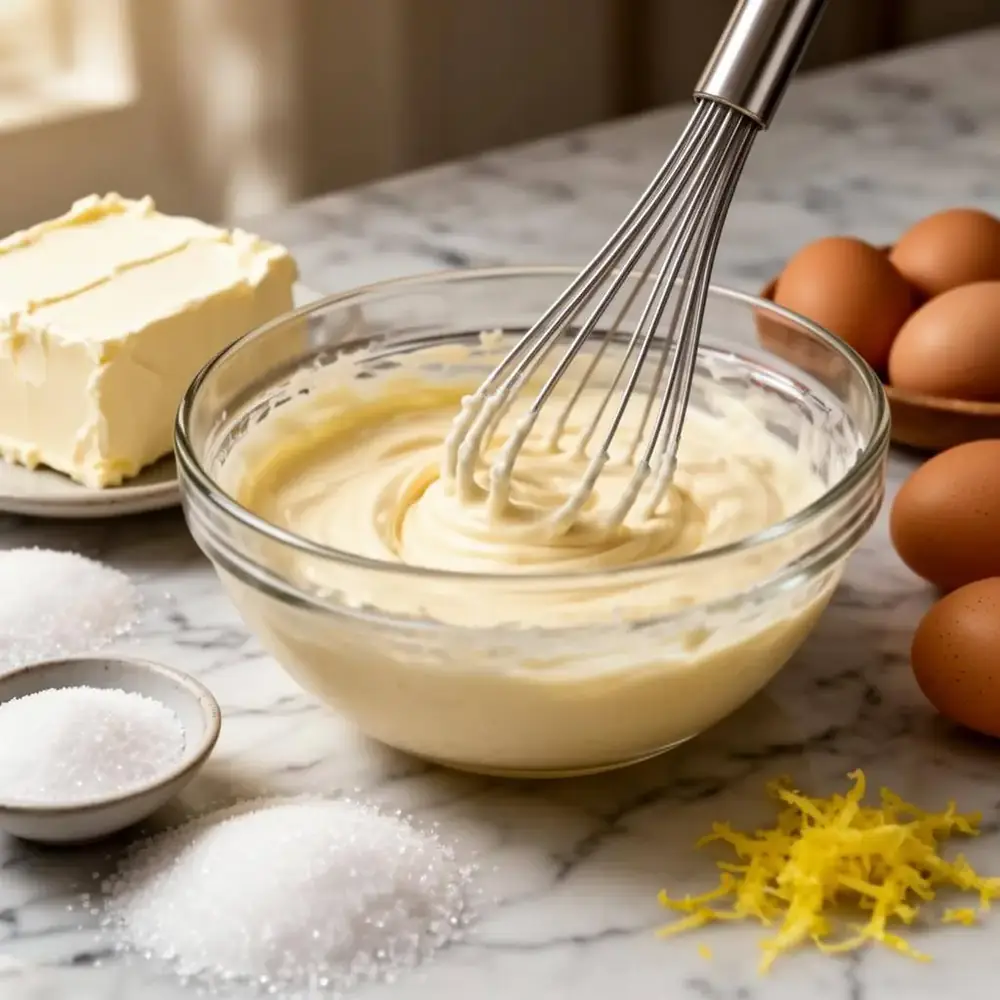
- Beat the cream cheese on low until completely smooth — scrape the bowl often.
- Add sugar and flour, mixing just until combined.
- Blend in sour cream, vanilla, lemon zest, and juice.
- Add eggs one at a time on low speed; stop as soon as they disappear. Overbeating adds air and causes cracks.
Step 3: Bake Low and Slow
- Pour the filling over the cooled crust and smooth the top.
- For insurance against cracks, set the pan in a water bath (wrap the base in foil).
- Bake 60–70 minutes, until the edges are set but the center still jiggles slightly.
- Turn off the oven, crack the door, and let the cake rest inside for 1 hour.
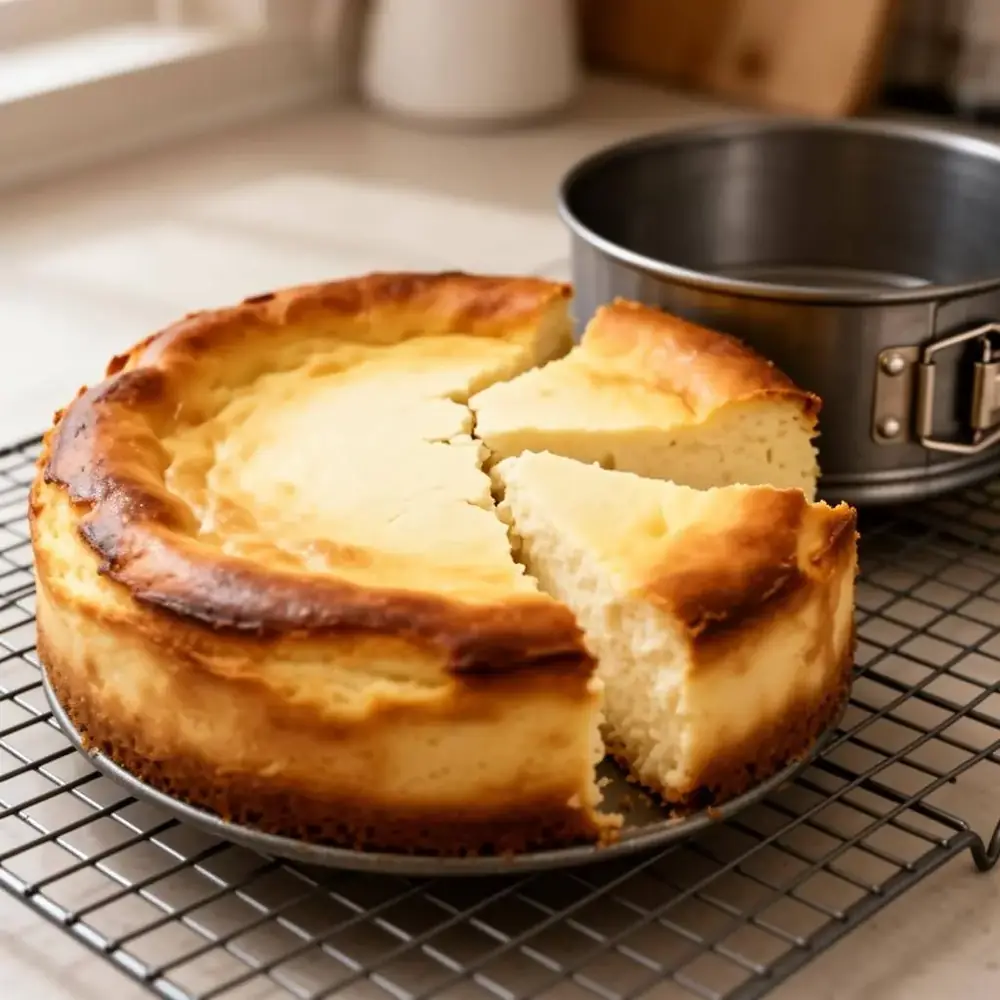
A great cheesecake is built on patience. Don't rush the bake or the chill — the magic happens while it rests.
Step 4: Chill and Serve
- Cool to room temperature, then refrigerate at least 6 hours, ideally overnight.
- Run a thin knife around the edge before releasing the springform.
- Top with fresh berries, a dusting of powdered sugar, or fruit compote.
- Slice with a warm, clean knife for picture-perfect pieces.
A Little Jewish Culinary History
Cheesecake itself is ancient — versions were enjoyed in the eastern Mediterranean thousands of years ago. But the rich, dense cheesecake beloved on Jewish tables today owes much to Eastern European immigrants who brought their dairy traditions to America. In New York, Jewish bakeries famously swapped soft farmer's cheese for the new, ultra-smooth cream cheese, giving birth to the towering “New York–style” cheesecake now served at Shavuot tables everywhere.
Cooking Tips From the Experts
- Bring every dairy ingredient and the eggs to room temperature first.
- Mix on low speed to avoid whipping in air that causes cracks.
- Use a water bath for the most even, custardy texture.
- Resist cutting in early — a full overnight chill firms it perfectly.
Common Mistakes to Avoid
- Using cold cream cheese, which leaves stubborn lumps.
- Overmixing the batter after adding the eggs.
- Opening the oven door mid-bake, causing sudden temperature drops.
- Slicing before the cheesecake has fully chilled and set.
Key Takeaways
- Cheesecake is the signature dairy dessert of Shavuot, when eating dairy is traditional.
- Room-temperature ingredients and low-speed mixing give a silky, crack-free filling.
- A gentle bake plus a slow cool-down in the oven prevents cracks.
- Chill the cheesecake overnight for clean slices and the best texture.
Frequently Asked Questions
Why did my cheesecake crack?
Cracks usually come from overmixing (too much air), baking too hot, or cooling too quickly. Mix on low, use a water bath, and let the cake rest in the turned-off oven before chilling.
Do I really need a water bath?
It's not mandatory, but a water bath gives the creamiest, most even texture and is the best insurance against cracks. Wrap the springform base in foil to keep water out.
Can I make Shavuot cheesecake ahead?
Absolutely — it's better made a day ahead. Bake, cool, and refrigerate overnight, then add toppings just before serving.
Loved this recipe?
Share it with your family, leave a comment, and explore more traditional and modern Jewish dishes on JewishCuisine.
Explore more Holidays recipes