Mufleta: The Buttery Moroccan-Jewish Crepes That Make Mimouna Magic
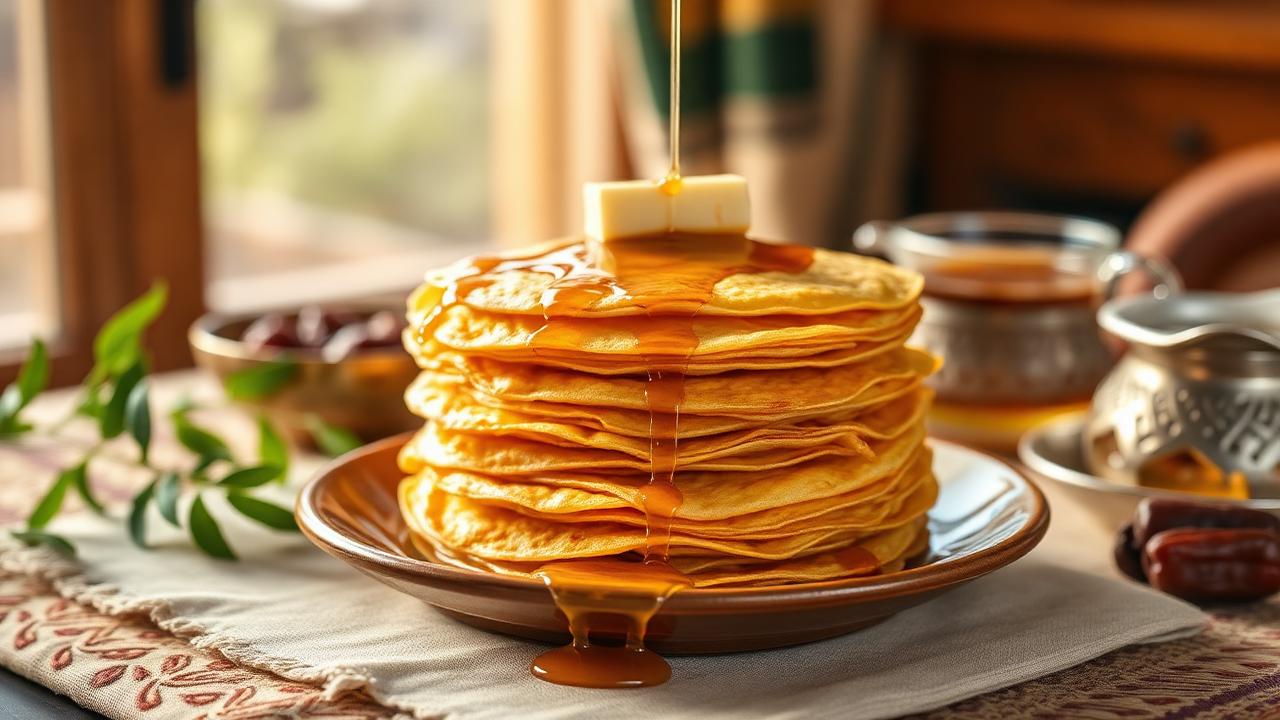
The moment Passover ends, kitchens across the Moroccan-Jewish world come alive with the smell of warm dough, sizzling oil, and melting butter. That smell means one thing: mufleta. These soft, stretchy, paper-thin crepes — folded warm around a smear of butter and a generous drizzle of honey — are the heart of Mimouna, the joyful North African celebration that marks the return of leavened bread after a week of matzo.
If you have never tasted mufleta, picture something between a crepe, a flatbread, and a flaky pancake. The dough is enriched with oil, stretched impossibly thin, and cooked in a stack so each layer steams the one beneath it. The result is tender, slightly chewy, and irresistibly buttery. It is comfort food with a story, and right now more home cooks than ever are searching for it.
This guide walks you through everything: the history behind the dish, why it is having a moment online, the short ingredient list, the hand technique that makes or breaks it, and the small mistakes that trip up first-timers. By the end, you will be able to fold a warm mufleta with the same easy confidence as a Casablanca grandmother.
Table of Contents
- What Makes Mufleta Special
- Historical and Cultural Context
- Why Mufleta Is Trending
- Ingredients and Key Concepts
- Step-by-Step Insights
- Expert Tips
- Common Mistakes to Avoid
- Frequently Asked Questions
- Key Takeaways
- Conclusion
What Makes Mufleta Special
Plenty of cultures have a thin griddle bread, but mufleta is defined by ritual as much as recipe. It is rarely made for an ordinary breakfast. Instead, it appears at Mimouna, the night Passover ends, when Moroccan-Jewish families throw open their doors, set out tables piled with sweets, and welcome neighbors of every background to eat, bless, and celebrate abundance.
- Just five pantry staples — flour, water, oil, salt, and yeast — turn into something festive.
- The signature stretch-and-stack method steams each crepe to a tender, layered texture.
- Served warm with butter and honey, it is naturally vegetarian and easy to scale for a crowd.
- It carries deep cultural meaning, symbolizing sweetness, hospitality, and a fresh start.
Historical and Cultural Context
Mufleta is inseparable from Mimouna, a celebration with roots in the Jewish communities of Morocco that scholars trace back centuries. As Passover ends, observant families have spent eight days without chametz — leavened grains. Mimouna is the exuberant release valve: a return to bread, baked goods, and sweetness, often celebrated late into the night with music, traditional dress, and open hospitality.
Traditionally, the flour and yeast for mufleta were sometimes gifted by non-Jewish neighbors right after the holiday, a gesture of friendship that became woven into the celebration itself. When hundreds of thousands of Moroccan Jews immigrated to Israel in the mid-twentieth century, they carried Mimouna with them. Today it is a widely recognized national celebration in Israel, complete with public picnics and politicians making the rounds for a bite of warm mufleta.
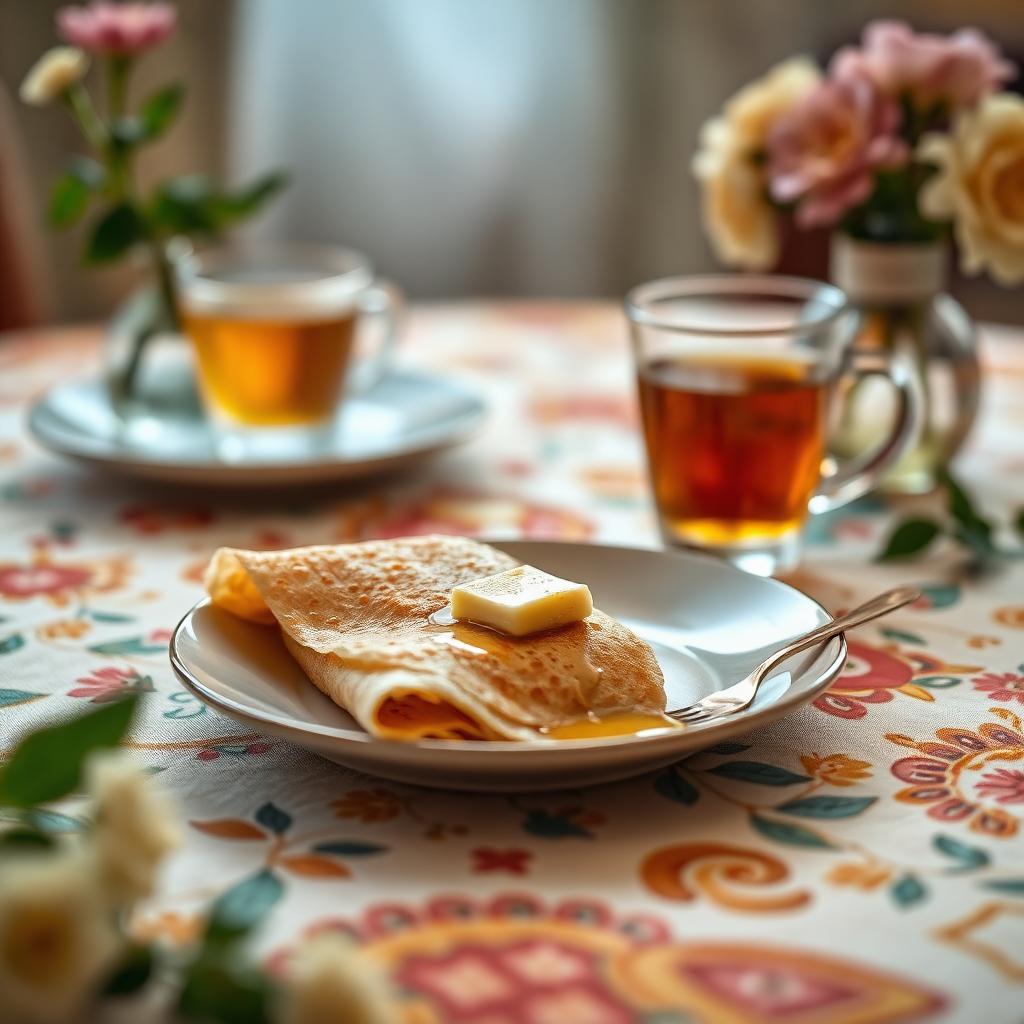
The dish embodies a value central to Sephardic and North African Jewish life: hospitality as a sacred act. To hand a guest a warm mufleta is to wish them a year of sweetness and plenty. That symbolism is exactly why the recipe has endured long after its humble origins as a way to use up simple ingredients.
Why Mufleta Is Trending
Search interest in mufleta and Mimouna recipes spikes every spring as Passover winds down, and that curve has been climbing year over year. A few forces are driving it. First, there is a broad hunger for Sephardic and Mizrahi Jewish cooking, which has spent decades overshadowed by Ashkenazi staples like bagels and brisket and is now getting its overdue spotlight.
Second, mufleta is endlessly watchable. The hand-stretching technique, the stacking, the glossy butter melting into a warm crepe — it is made for short cooking videos, and clips of grandmothers spinning dough have racked up millions of views. Third, it scratches a very modern itch: an impressive, shareable dish built from cheap, accessible ingredients with no special equipment. In an era of high grocery prices, a festive treat from flour and water has real appeal.
Ingredients and Key Concepts
One of the joys of mufleta is how little it asks of you. The dough itself contains no dairy, no eggs, and no sugar — the sweetness comes entirely from the butter and honey served on top. Here is what you need for roughly 12 to 15 crepes.
For the Dough
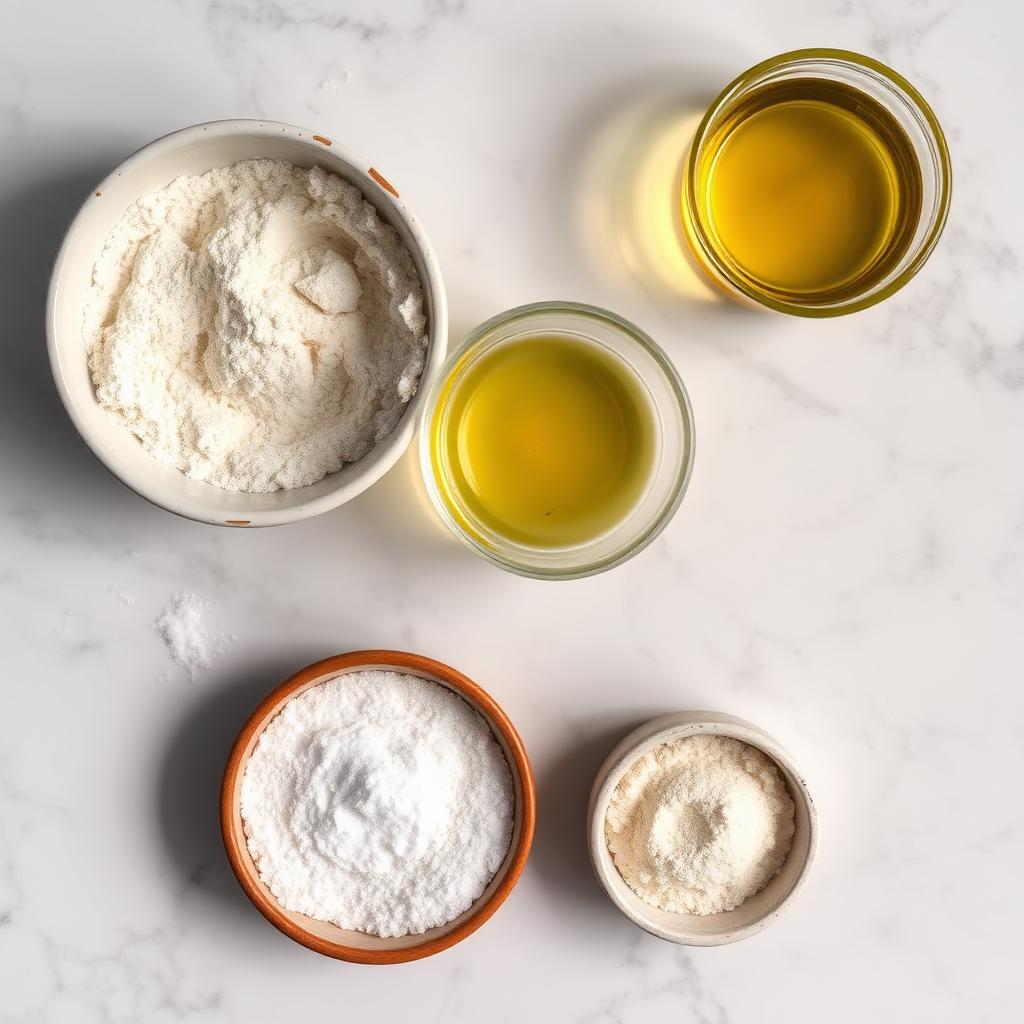
- 4 cups (500 g) all-purpose flour, plus a little extra for adjusting
- 1 ¼ cups (300 ml) warm water, added gradually
- 1 teaspoon active dry yeast
- 1 teaspoon fine salt
- About 1 cup (240 ml) neutral oil, for coating and stretching
For Serving
- 1 stick (1/2 cup) softened butter
- 1/2 to 1 cup honey, warmed slightly so it pours easily
- Optional: a glass of sweet Moroccan mint tea on the side
Step-by-Step Insights
Step 1: Make a Soft, Supple Dough
- Dissolve the yeast in a few tablespoons of the warm water and let it sit until foamy, about 5 minutes.
- In a large bowl, combine flour and salt, then add the yeast mixture and most of the remaining warm water.
- Mix and knead for 8 to 10 minutes, adding water a splash at a time, until the dough is very soft, smooth, and slightly tacky — softer than bread dough.
- The texture is everything: too stiff and it won't stretch thin. Aim for a dough that feels like an earlobe.
Step 2: Divide and Oil
- Pour a generous layer of oil onto a large tray or plate.
- With oiled hands, pinch off golf-ball-sized pieces and roll each into a smooth ball.
- Set the balls in the oil, turning to coat completely, and cover loosely.
- Rest at least 30 minutes (up to an hour). The oil and rest are what let the gluten relax for that signature stretch.
Step 3: Stretch Paper-Thin
- Working on an oiled surface, flatten one ball with oiled palms, then gently stretch it outward from the center.
- Keep going until it is nearly translucent — thin enough to read through but not torn.
- A few small holes are fine; mufleta is forgiving and rustic by nature.
Step 4: Cook and Stack
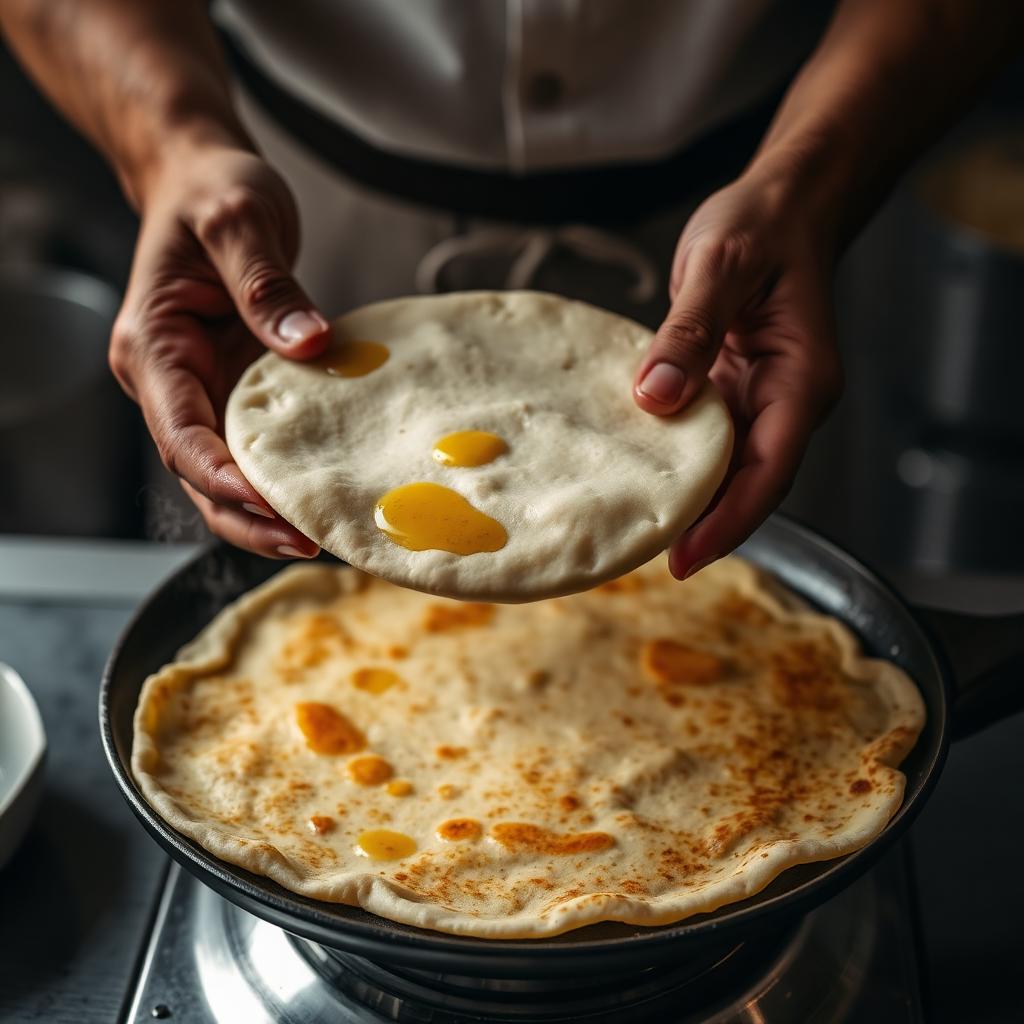
- Heat a wide, flat skillet over medium heat with just a film of oil.
- Lay the first stretched mufleta in the pan and cook until lightly golden underneath, about a minute.
- Place the next raw, stretched crepe directly on top of the cooking one, then flip the whole stack so the new layer cooks.
- Continue adding and flipping, building a tower. Each new layer steams the one below, keeping everything tender.
- Pull the stack off the heat while still soft, never crisp.
Keep the dough soft, the surface oiled, and the stack moving. Mufleta rewards a gentle hand far more than brute strength.
Step 5: Serve Warm
Peel off the top mufleta, lay it flat, smear it with softened butter, drizzle with honey, then fold or roll it up and eat it warm with your hands. Repeat for each layer. The contrast of warm, stretchy dough with cool butter and floral honey is the whole point — serve it the moment it comes off the pan.
Expert Tips
- Use plenty of oil at every stage; it is the secret to stretchy, non-sticky dough, not a thing to skimp on.
- Keep the heat at medium. Too high and the crepes brown before they cook through; too low and they turn leathery.
- Warm the honey slightly so it melts into the butter instead of sitting on top.
- Work near your pan so you can stretch and cook in a smooth rhythm.
- If hosting, build the stack ahead and keep it covered and warm; reheat gently before serving.
Common Mistakes to Avoid
- Making the dough too stiff — it must be very soft to stretch thin without tearing.
- Skipping the oil rest, which leaves the gluten too tight to stretch.
- Cooking the crepes until crisp; mufleta should stay soft and pliable.
- Stretching too aggressively in one spot, which creates big tears instead of an even sheet.
- Serving cold — mufleta loses its magic once it firms up, so eat it fresh.
Get those few things right and mufleta becomes one of the most rewarding things you can make from a nearly empty pantry. It is humble, generous, and built for sharing — exactly the spirit of the holiday it belongs to.
Key Takeaways
- Mufleta is the buttery Moroccan-Jewish crepe served at Mimouna, the celebration marking the end of Passover.
- The dough uses just flour, water, oil, salt, and yeast, and must be very soft to stretch paper-thin.
- Crepes are cooked and stacked so each layer steams the next, keeping them tender.
- Serve warm with butter and honey for the signature sweet, festive bite.
- Because it contains leavening, mufleta is enjoyed after Passover, never during it.
Frequently Asked Questions
What is mufleta and when is it eaten?
Mufleta is a thin, stretchy Moroccan-Jewish crepe traditionally eaten at Mimouna, the celebration held the night Passover ends. It is served warm with butter and honey to mark the joyful return of leavened bread.
Why is my mufleta dough tearing when I stretch it?
The most common causes are a dough that is too stiff or not rested long enough. Make the dough very soft and tacky, coat each ball generously in oil, and let it rest at least 30 minutes so the gluten relaxes enough to stretch thin.
Can I make mufleta ahead of time?
Mufleta is best fresh and warm, but you can cook the stack a couple of hours ahead, keep it covered, and reheat gently in a warm pan or low oven before serving with butter and honey.
Is mufleta dairy or pareve?
The dough itself is pareve, with no dairy or eggs. It becomes dairy when served with butter. For a pareve version, serve it with honey, jam, or a non-dairy spread instead.
Can I make mufleta during Passover?
No. Mufleta is made with flour and yeast, so it is chametz and not eaten during Passover. It is specifically a post-Passover dish, which is part of why it symbolizes the return of bread at Mimouna.
Loved this recipe?
Share it with your family, leave a comment, and explore more traditional and modern Jewish dishes on JewishCuisine.
Explore more Holidays recipes