Chocolate Rugelach: The Flaky Jewish Pastry Taking Over Holiday Baking
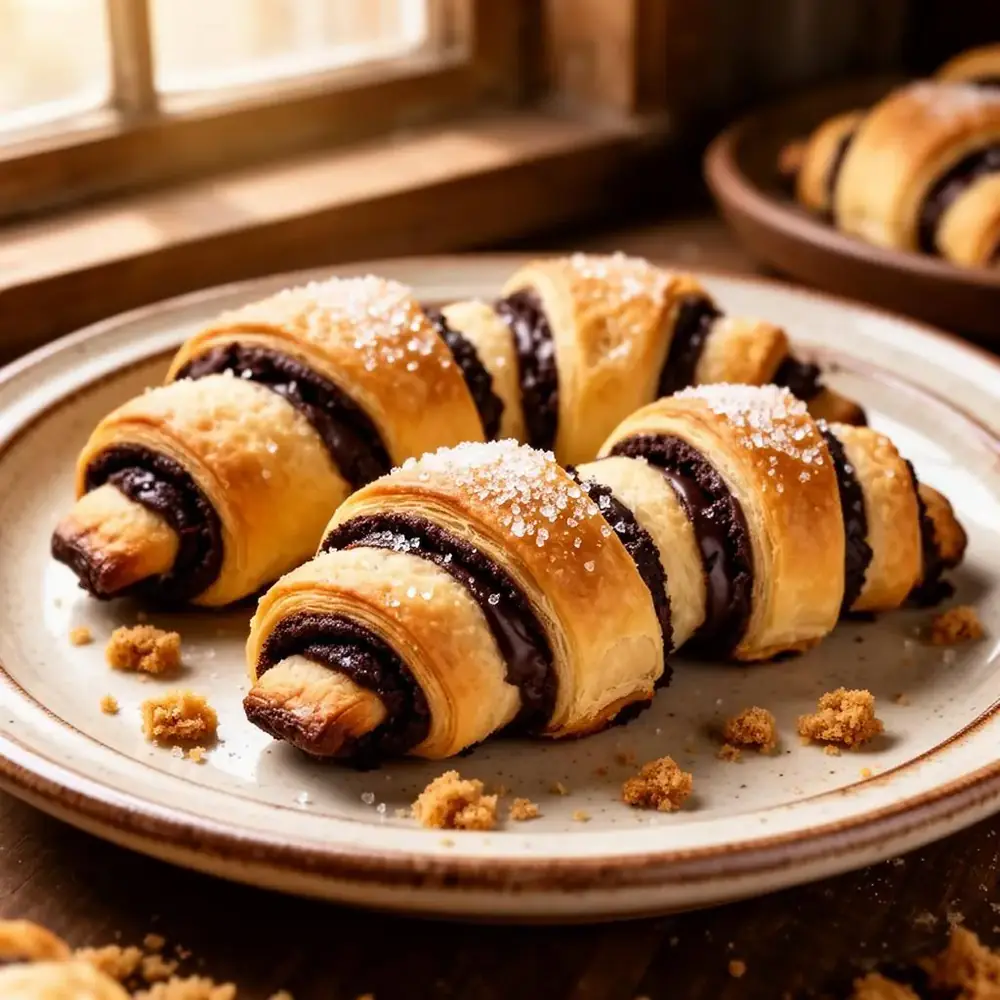
Few treats capture the magic of Jewish baking quite like rugelach. Tender, flaky crescents rolled around a ribbon of dark chocolate, baked until the edges turn deep gold and the filling goes molten — they're the kind of little pastry that disappears off the plate before you can blink.
And right now, rugelach is everywhere. Home bakers are rediscovering this Ashkenazi classic, sharing glossy, chocolate-swirled versions across recipe sites and social feeds. It's the perfect bake for Hanukkah cookie platters, Shabbat dessert tables, and gift tins — small enough to be one-bite, special enough to feel like a celebration.
The secret to truly great rugelach isn't fancy equipment. It's the dough — an enriched cream cheese pastry that bakes up impossibly flaky — and a few simple techniques for rolling, chilling, and filling. Get those right and you'll pull bakery-worthy rugelach from your own oven every single time.
What Makes This Recipe Special?
This version leans into the two things that define perfect rugelach — a melt-in-your-mouth flaky crust and a generous, gooey chocolate center.
- A foolproof cream cheese dough that's forgiving to roll and shatteringly flaky once baked.
- A rich chocolate filling that stays luscious instead of drying out in the oven.
- Make-ahead friendly — the dough and shaped cookies both freeze beautifully.
- Naturally suited to Hanukkah, Shabbat dessert, and holiday gifting.
Ingredients
For the Cream Cheese Dough
- 2 cups all-purpose flour
- 8 oz (1 package) full-fat cream cheese, cold and cubed
- 1 cup (2 sticks) unsalted butter, cold and cubed
- ¼ cup granulated sugar
- ½ teaspoon kosher salt
- 1 teaspoon vanilla extract
For the Chocolate Filling
- ½ cup granulated sugar
- ⅓ cup unsweetened cocoa powder
- 4 oz dark or semisweet chocolate, finely chopped
- 1 teaspoon ground cinnamon (optional but classic)
- 1 egg beaten with 1 tablespoon water, for egg wash
- Coarse sugar, for sprinkling
Step-by-Step Instructions
Step 1: Make and Chill the Dough
- In a food processor, pulse the flour, sugar, and salt to combine.
- Add the cold cream cheese and butter and pulse until the mixture forms coarse, pea-sized crumbs.
- Add the vanilla and pulse just until the dough clumps together — do not overwork it.
- Divide into two discs, wrap, and chill at least 2 hours (or overnight). Cold dough is the key to flaky rugelach.
Step 2: Fill and Shape
- Stir together the sugar, cocoa, and cinnamon for the filling.
- Roll one disc into a 10-inch circle on a lightly floured surface.
- Brush lightly with a little egg wash, then scatter the cocoa-sugar and chopped chocolate evenly over the top.
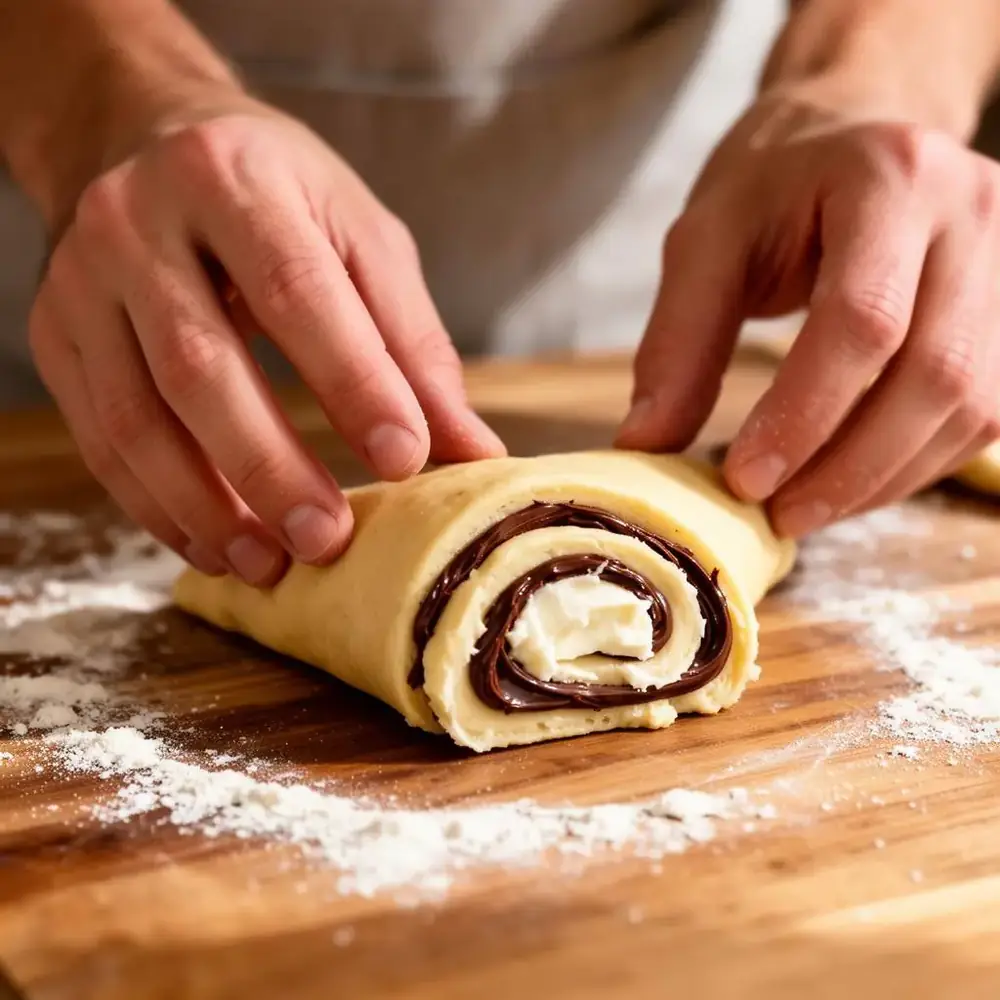
- Cut the circle into 12 wedges like a pizza, then roll each from the wide edge toward the point.
Step 3: Chill, Wash, and Bake
- Place the shaped rugelach point-side down on a parchment-lined sheet and chill 20 minutes (this prevents spreading).
- Preheat the oven to 350°F (175°C). Brush each with egg wash and sprinkle with coarse sugar.
- Bake 22–28 minutes until deeply golden and the chocolate is bubbling slightly.
- Cool on the pan 5 minutes, then transfer to a rack — the filling is molten straight from the oven.
Keep everything cold and don't overwork the dough. Flaky rugelach is built on cold cream cheese, cold butter, and a patient chill before baking.
A Little Jewish Culinary History
Rugelach traces back to the Jewish communities of Eastern Europe, where bakers rolled sweet doughs around fillings of jam, nuts, and poppy seeds. The name comes from the Yiddish for “little twists” or “little horns,” a nod to the crescent shape. When Ashkenazi immigrants brought the recipe to America, the now-iconic cream cheese dough — inspired by the cream cheese boom of the early 20th century — gave rugelach its signature flaky tenderness, and chocolate became one of the most beloved modern fillings.

Cooking Tips From the Experts
- Work in batches and keep unused dough in the fridge — warm dough turns sticky and hard to roll.
- Chop the chocolate finely so it melts evenly instead of tearing through the dough.
- Don't overfill; too much filling leaks out and burns on the pan.
- Chill the shaped cookies before baking to hold their crescent shape.
Common Mistakes to Avoid
- Using softened cream cheese or butter, which makes the dough greasy and the pastry dense.
- Overworking the dough, which develops gluten and toughens the cookies.
- Skipping the chill before baking, which causes the rugelach to unroll and spread.
- Baking too pale — a deep golden color is what gives rugelach its rich, flaky bite.
Key Takeaways
- Rugelach is a beloved Ashkenazi pastry, perfect for Hanukkah and holiday gifting.
- A cold cream cheese dough is the secret to its signature flaky texture.
- Chill the shaped cookies before baking so they hold their crescent shape.
- Made with butter it's a dairy dessert; use pareve swaps to serve after any meal.
Frequently Asked Questions
Why did my rugelach unroll or spread in the oven?
The dough was too warm. Chill the shaped cookies for at least 20 minutes before baking, and keep the dough cold while you work in batches.
Can I make rugelach ahead of time?
Yes. The dough keeps up to 3 days in the fridge, and shaped, unbaked rugelach freeze beautifully for up to 2 months — bake straight from frozen, adding a few extra minutes.
What other fillings work besides chocolate?
Classic options include raspberry or apricot jam, cinnamon-sugar with walnuts, or poppy seed. You can also combine jam with the chocolate filling for a fruity twist.
Loved this recipe?
Share it with your family, leave a comment, and explore more traditional and modern Jewish dishes on JewishCuisine.
Explore more Desserts recipes